Wildlife Night Walk vs Day Trek: What's the Difference?
Wildlife Night Walk vs Day Trek: What's the Difference?
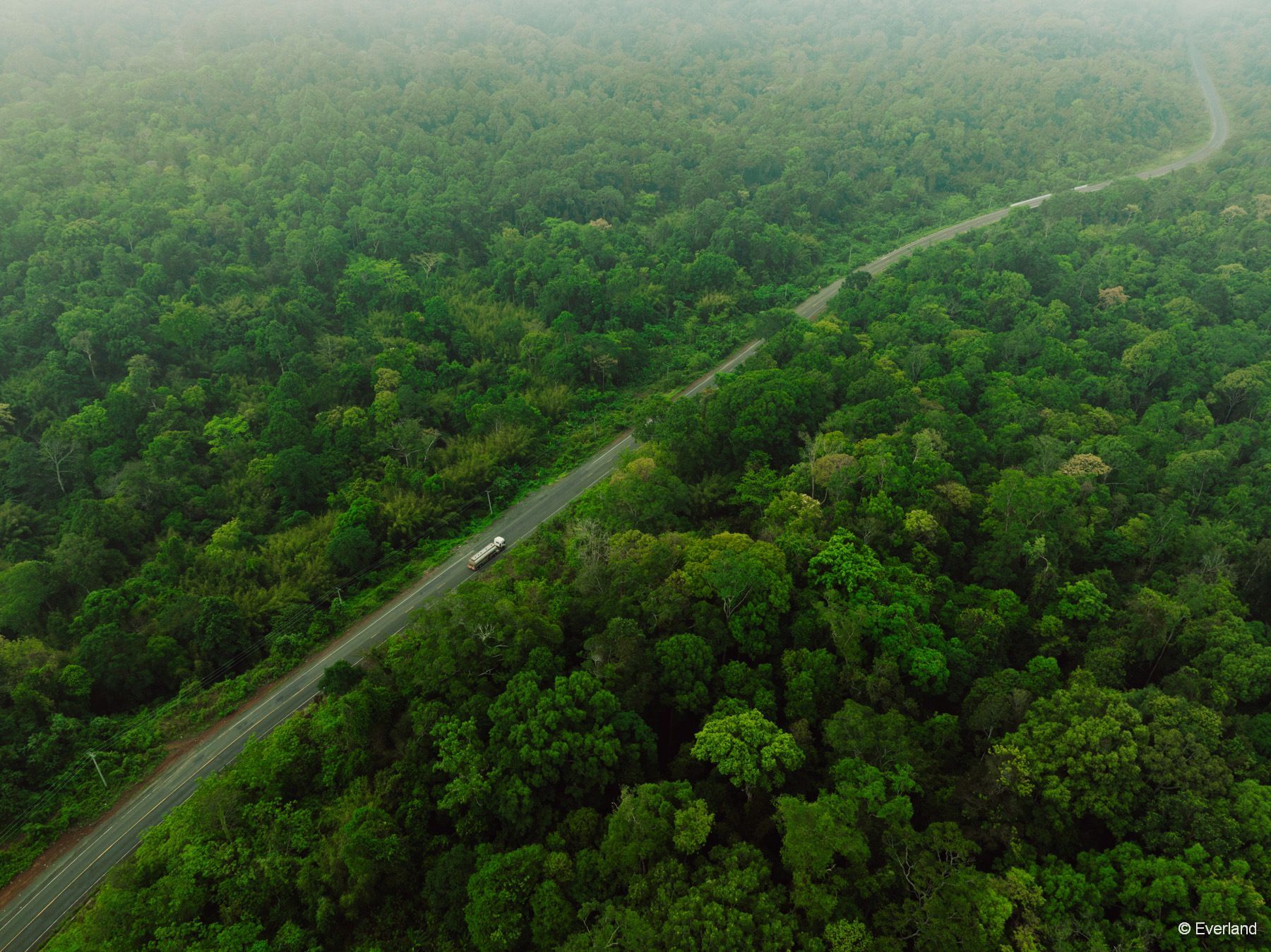
When people think about exploring a rainforest, they often picture walking beneath towering trees during the day, searching for birds, primates, and other wildlife. While daytime treks offer incredible opportunities to experience nature, the forest transforms after sunset, revealing an entirely different world.
At Jahoo, visitors can experience both a guided day trek and a wildlife night walk in Keo Seima Wildlife Sanctuary. Each offers a unique perspective on the rainforest, with different wildlife, sounds, and experiences waiting to be discovered.
So, what's the difference?
A Day Trek: Discover the Forest in the Morning Light
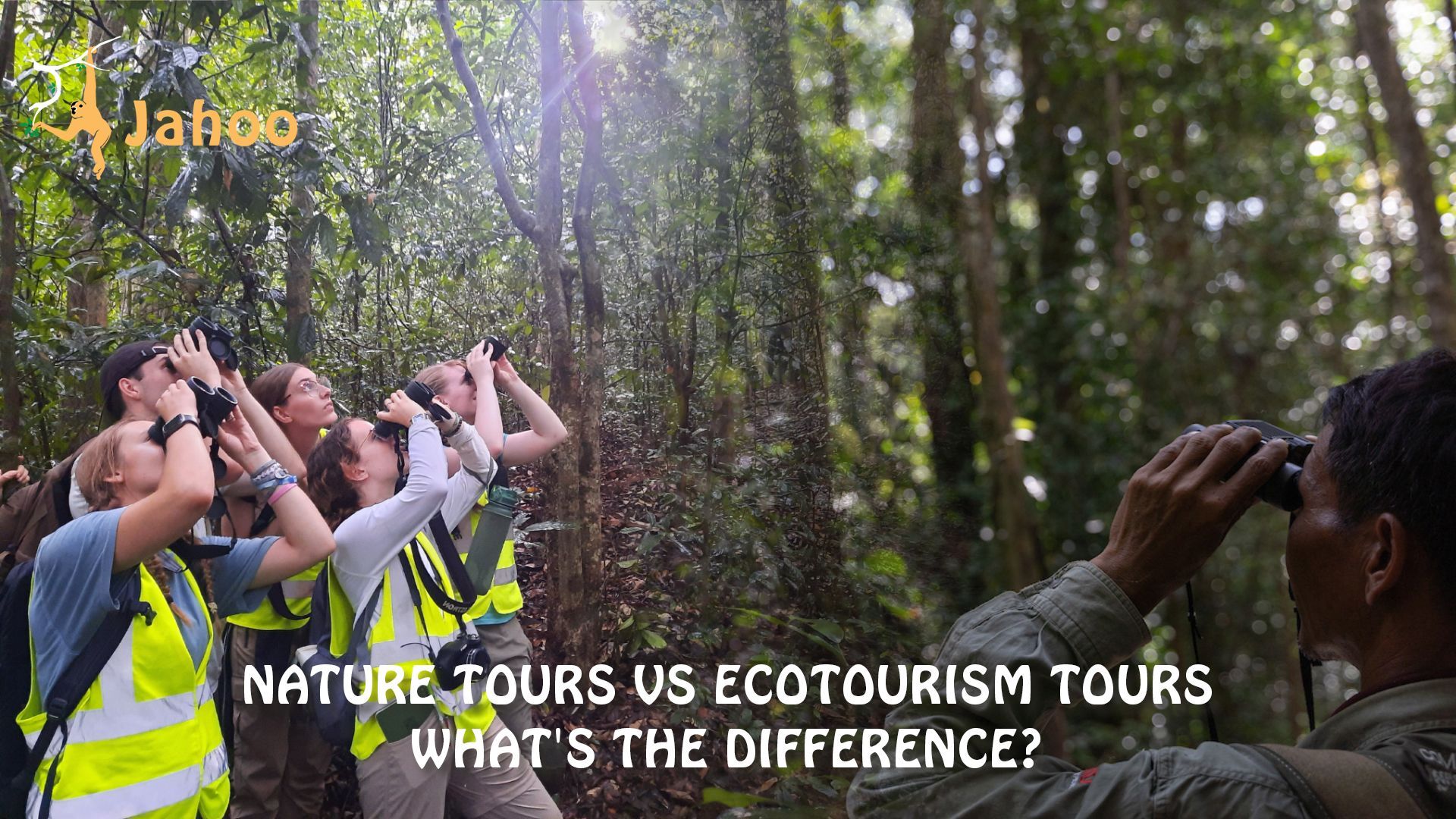
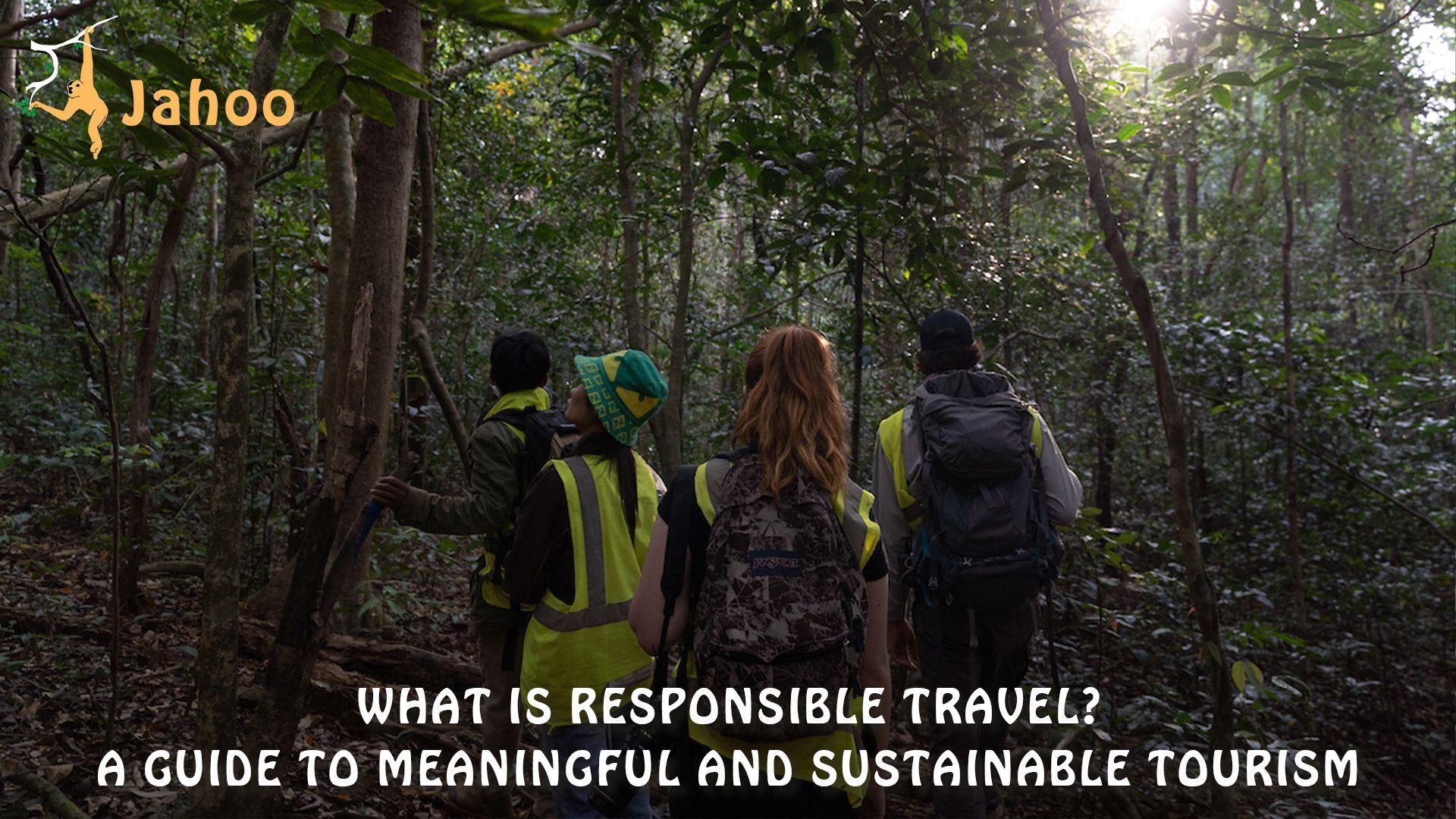
A day trek is the classic way to explore the rainforest. Starting early in the morning, visitors walk through the forest with experienced Bunong guides, learning about the plants, wildlife, and ecosystems that make Keo Seima Wildlife Sanctuary one of Cambodia's most important protected areas.
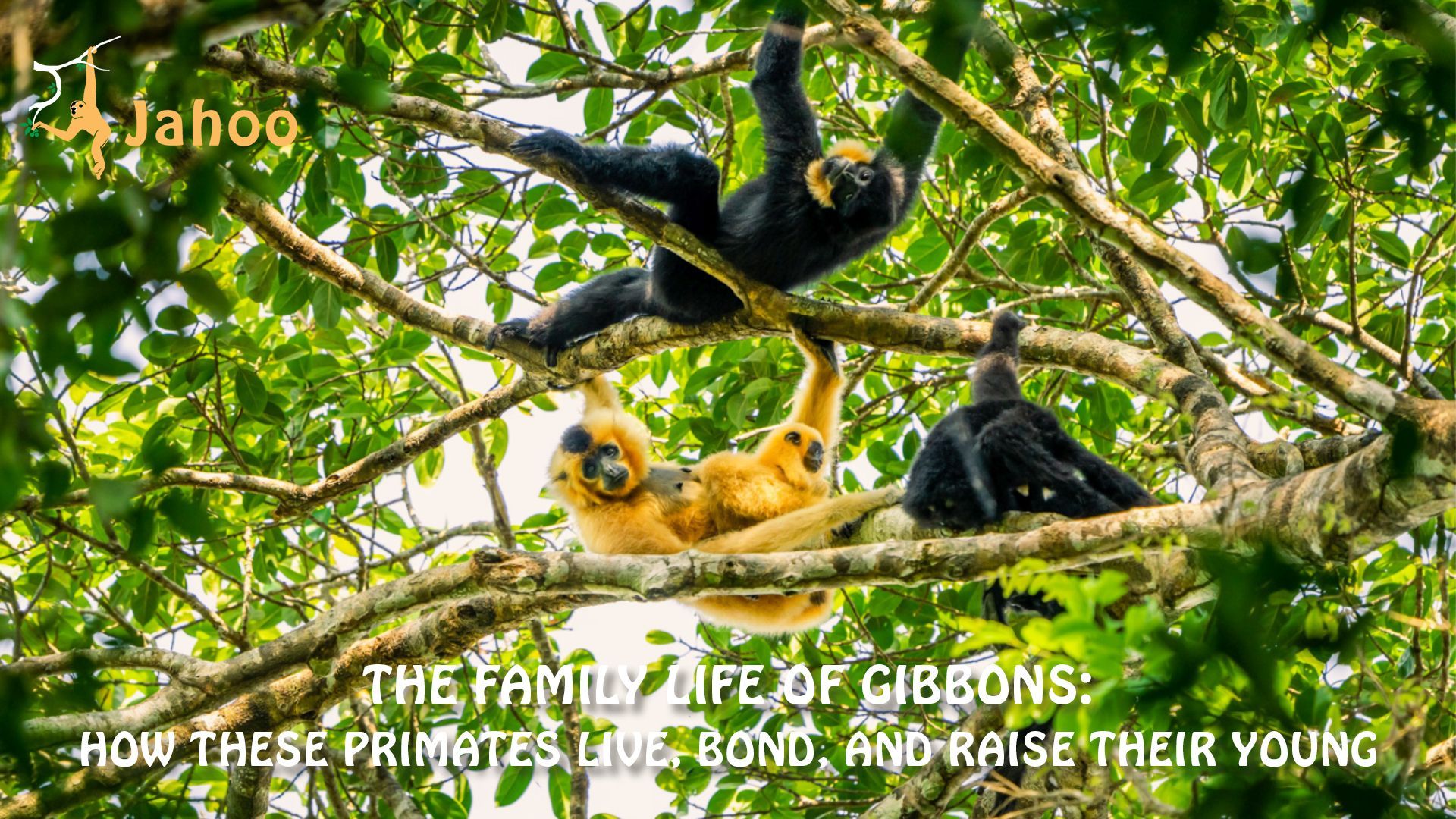
Morning is one of the best times to explore because many animals are most active after sunrise. This is when the forest comes alive with birdsong and the unmistakable calls of Southern Yellow-cheeked Crested Gibbons echoing through the canopy.
Along the way, you may encounter:
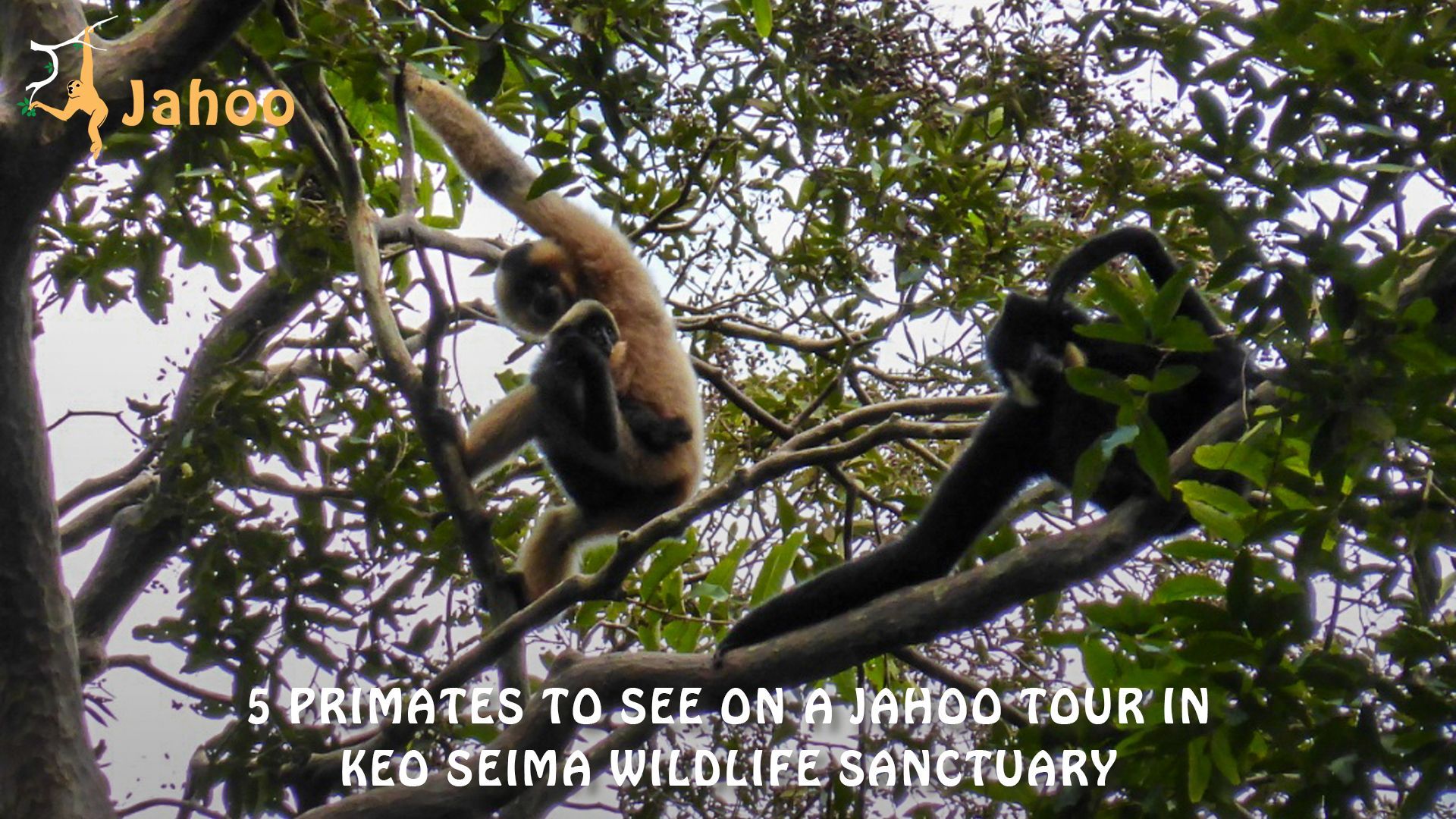
- Southern Yellow-cheeked Crested Gibbons
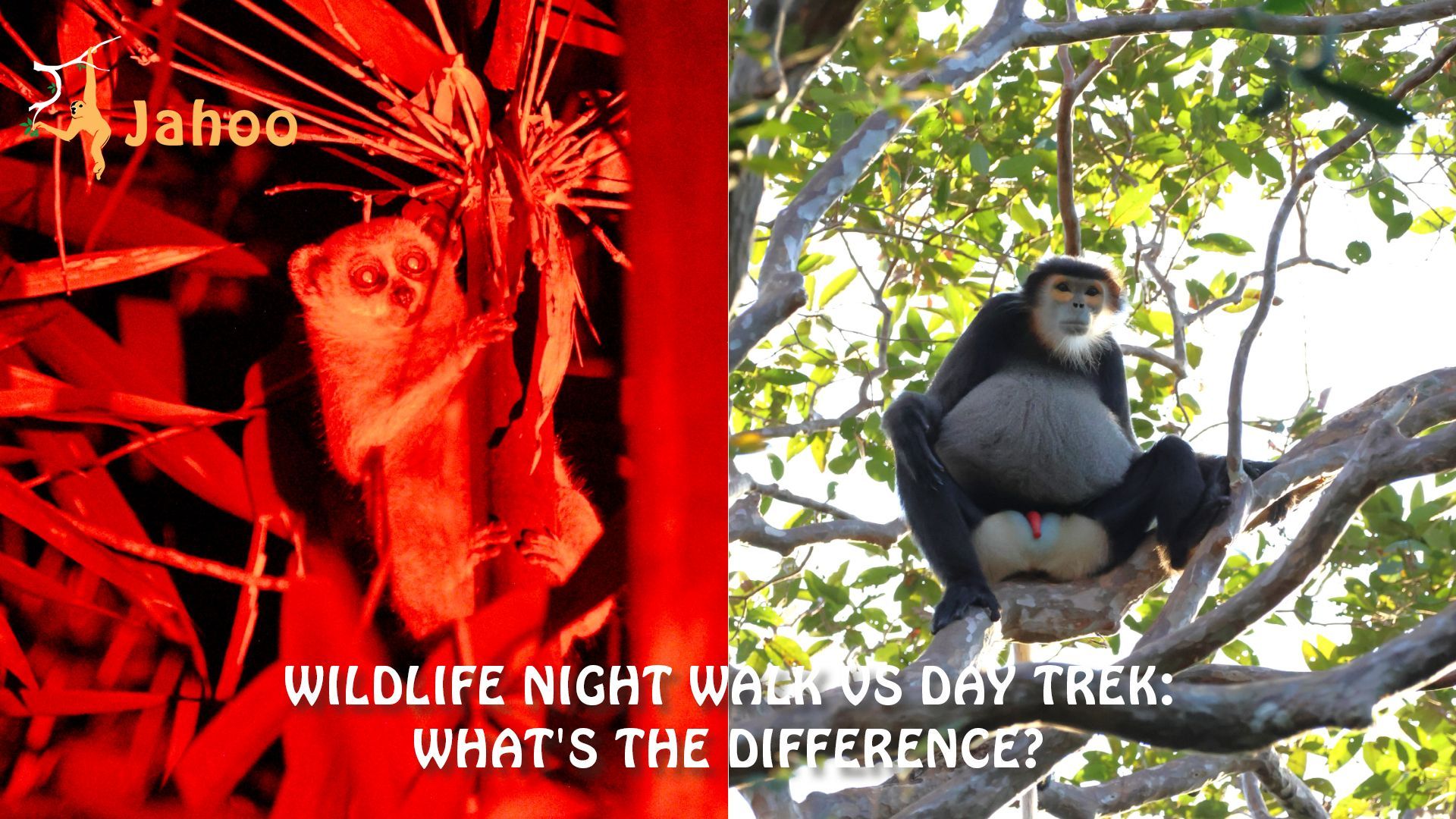
- Black-shanked Doucs
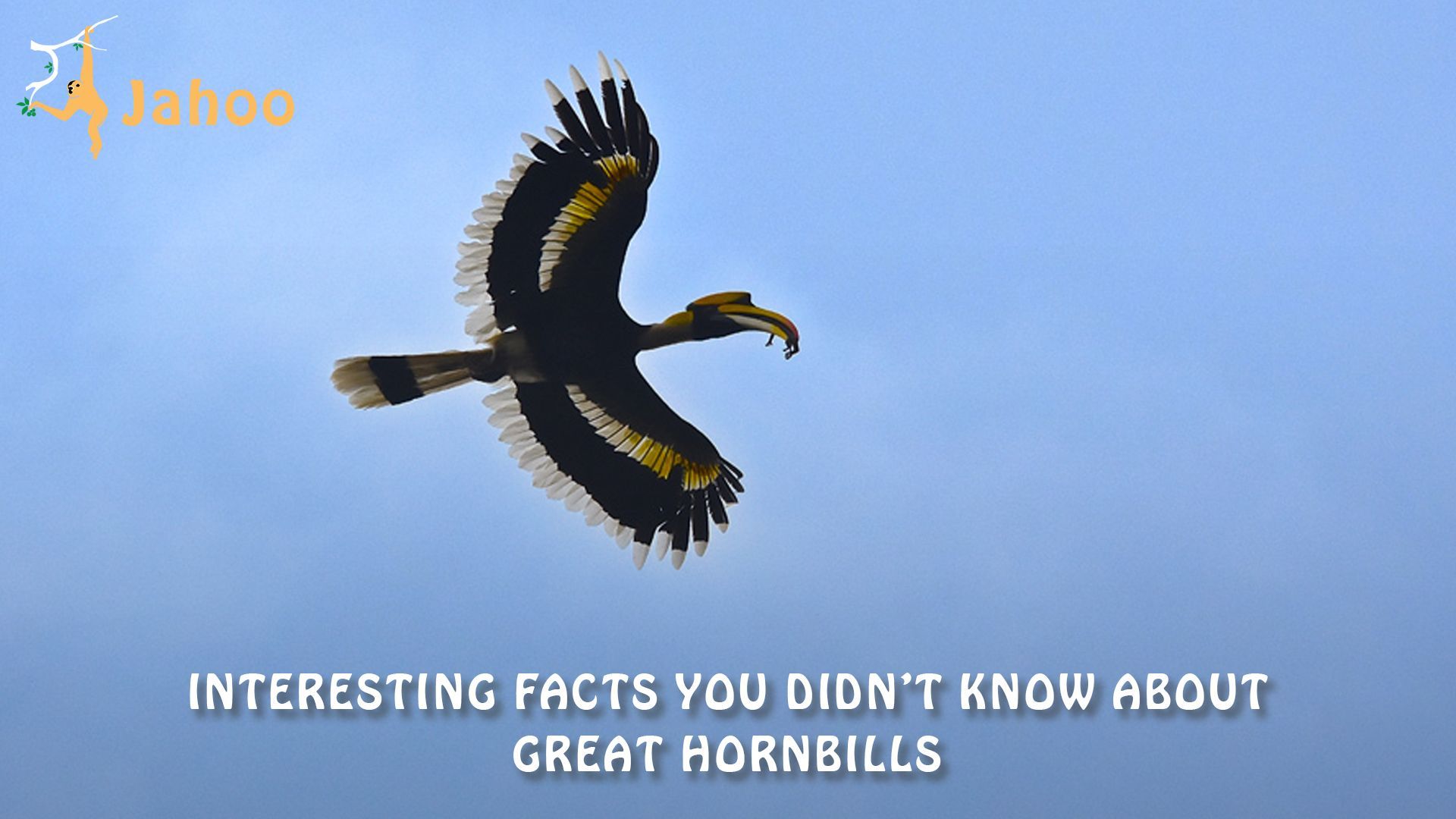
- Hornbills
- Squirrels
- Butterflies
- A variety of forest birds
Beyond wildlife, a day trek is also an opportunity to learn about the Bunong people's connection to the forest and the conservation efforts that help protect this remarkable landscape.
A Wildlife Night Walk: Experience the Forest After Dark
As the sun sets, the rainforest begins to change.
Many daytime animals settle down for the night, while another group of creatures emerges. Guided by experienced local guides, a wildlife night walk offers the chance to discover species that are rarely seen during daylight hours.
Instead of searching high in the trees for gibbons, your attention shifts to the forest floor, tree trunks, and low vegetation, where smaller creatures become active.
Depending on the season and conditions, you may spot:
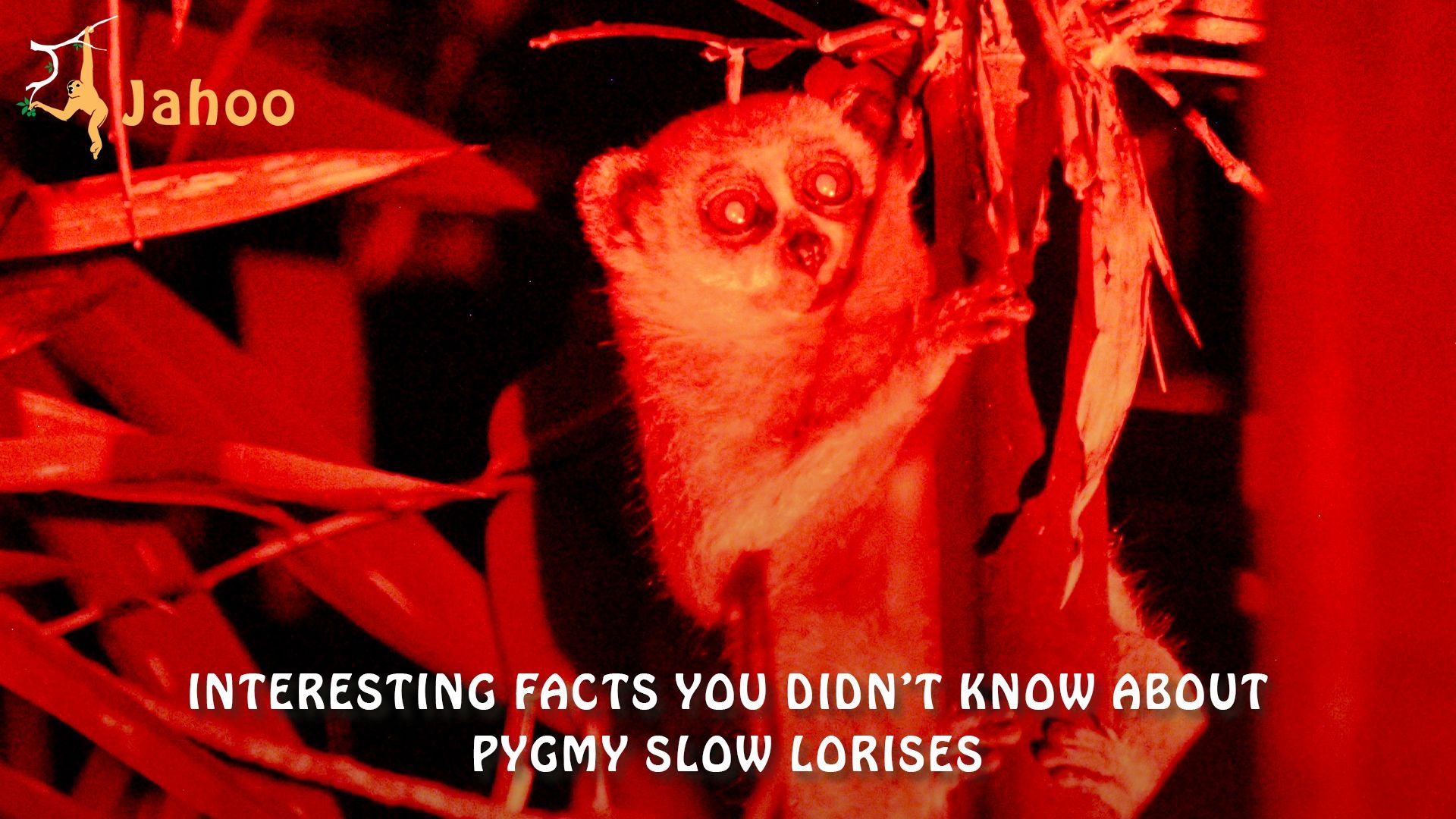
- Pygmy Slow Loris: A tiny, nocturnal primate native to the region.
- Small-toothed Palm Civet: A small, cat-like nocturnal mammal.
- Insects and Amphibians: Various frogs, glowing insects, and spiders active after dark.
The atmosphere is completely different. The sounds of insects replace the morning chorus of birds, and every step reveals a side of the forest that many visitors never experience.
Different Times, Different Wildlife
The biggest difference between a wildlife night walk and a day trek is the animals you are likely to encounter.
Many species, including gibbons, hornbills, and most birds, are diurnal, meaning they are active during the day.
Others, such as many frogs, insects, geckos, and civets, are nocturnal, becoming active only after sunset.
Because of these different activity patterns, exploring the rainforest at different times of the day provides a much richer understanding of its biodiversity.
Comparing the Experiences
Day Trek
Best for:
- Gibbon tracking
- Birdwatching
- Wildlife photography
- Learning about the rainforest ecosystem
- First-time visitors
Wildlife Night Walk
Best for:
- Discovering nocturnal wildlife
- Nature enthusiasts looking for something different
- Macro photography
- Experiencing the rainforest after dark
- Returning visitors wanting a new perspective
Which Experience Should You Choose?
If your dream is to hear wild gibbons singing at sunrise or watch primates moving through the forest canopy, a day trek is the perfect choice.
If you're curious about the hidden creatures that only emerge after dark and want to experience the rainforest in a completely different way, a wildlife night walk is an unforgettable adventure.
Both experiences showcase different aspects of the same forest, making each one unique.
Why Experience Both?
At Jahoo, you don't have to choose between a day trek and a wildlife night walk. By booking the Explore Jahoo or Discover Jahoo package, you can experience both, giving you the opportunity to discover the rainforest from dawn to dark.
During the day, the forest comes alive with the songs of Southern Yellow-cheeked Crested Gibbons, birds soaring through the canopy, and primates moving among the trees. As night falls, the rainforest transforms into a different world, where frogs begin calling, insects emerge, and nocturnal wildlife starts its nightly activities.
Experiencing both day and night offers a deeper understanding of Keo Seima Wildlife Sanctuary and the incredible diversity of wildlife that inhabits it.