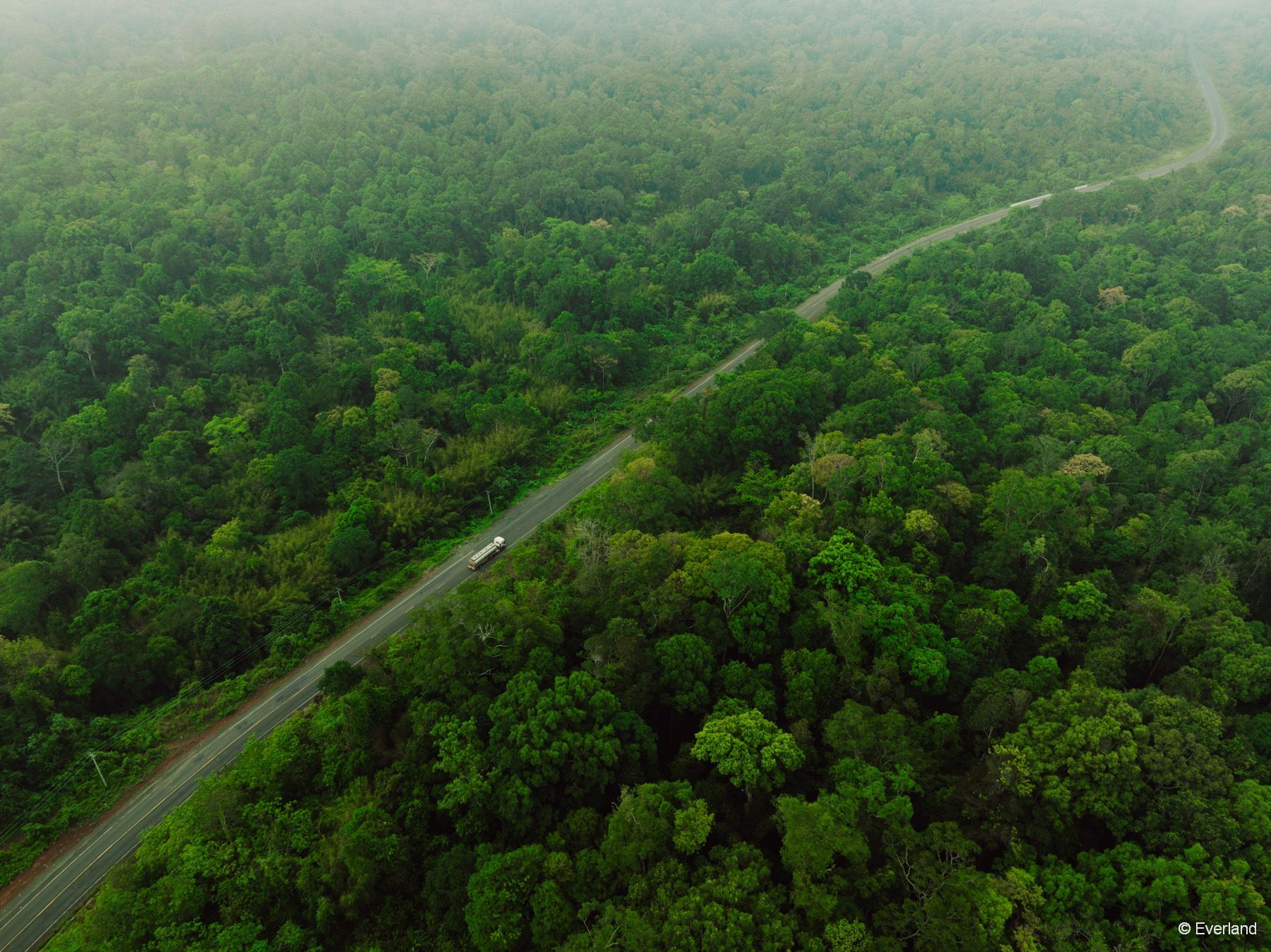
Nature Tours vs Ecotourism Tours: What's the Difference?
Nature Tours vs Ecotourism Tours: What's the Difference?
Nature tours and ecotourism tours may seem similar, but they have important differences. Learn how ecotourism goes beyond sightseeing to support conservation and local communities.
What Is a Nature Tour?
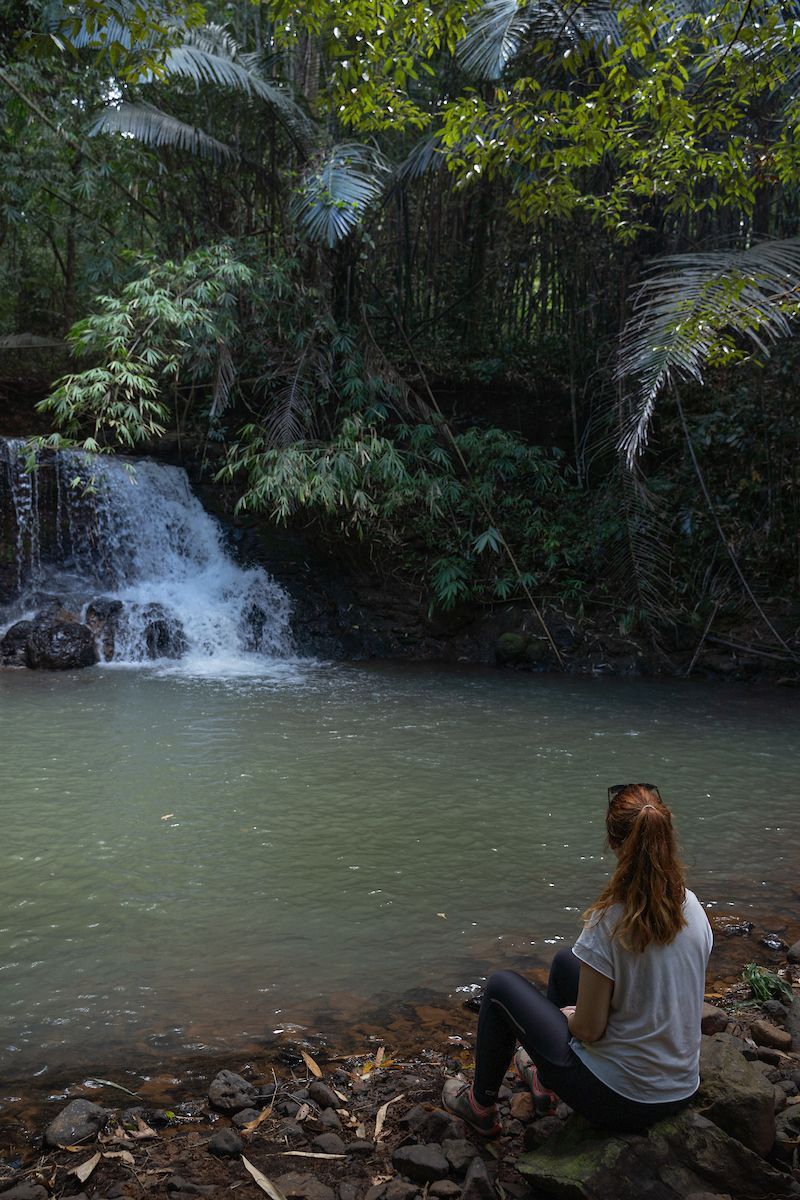
A nature tour focuses on experiencing natural landscapes, wildlife, and outdoor activities.
Examples:
- Wildlife watching
- Birdwatching
- Hiking
- Nature photography
- Scenic boat trips
The main goal is to enjoy nature and learn about the environment.
A nature tour can be enjoyable and educational, but it does not automatically contribute to conservation or local communities.
What Is Ecotourism?
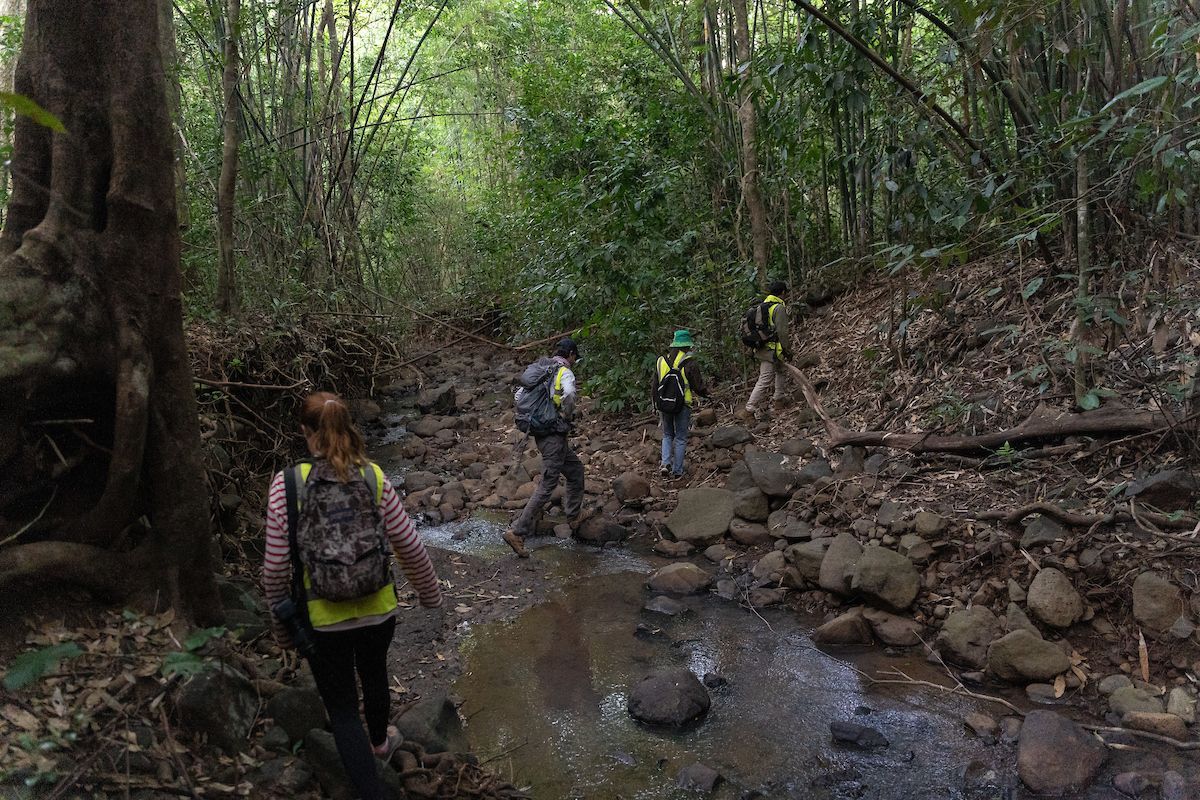
Ecotourism is responsible travel to natural areas that benefits both nature and local people.
According to the principles of ecotourism, a tour should:
- Minimize environmental impact
- Support conservation efforts
- Provide benefits to local communities
- Educate visitors about nature and culture
- Respect local traditions
In other words, ecotourism is not just about visiting nature. It is about helping protect it.
The Key Differences
| Nature Tour | Ecotourism Tour |
|---|---|
| Focuses on enjoying nature | Focuses on protecting nature |
| Wildlife viewing and outdoor activities | Conservation and community benefits |
| May not support local communities | Creates income for local people |
| Can have varying environmental impacts | Designed to reduce environmental impact |
| Visitors observe nature | Visitors contribute to conservation through their visit |
Can a Nature Tour Also Be Ecotourism?
Yes.
A wildlife tour can be both a nature tour and an ecotourism experience if it actively supports conservation and local communities.
The difference lies in how the tour is designed and where the benefits go.
Why Ecotourism Matters
Many protected areas face challenges such as habitat loss, illegal logging, and wildlife hunting.
Ecotourism provides an alternative source of income that gives local communities a reason to protect forests and wildlife.
When done responsibly, tourism can help make conservation financially sustainable.
How Jahoo Combines Nature Tourism and Ecotourism
At Jahoo, visitors explore the forests of Keo Seima Wildlife Sanctuary in search of Southern Yellow-cheeked Crested Gibbons and other wildlife.
But the experience goes beyond wildlife viewing.
Jahoo is led by the local Bunong guides, creating employment opportunities while helping protect one of Cambodia's most important forests. Every visit contributes to community livelihoods and supports long-term conservation efforts in the landscape.
All ecotourism tours are nature-based experiences, but not all nature tours are ecotourism.
If you want your travel experience to have a positive impact on wildlife, forests, and local communities, choosing an ecotourism tour can make a meaningful difference