What Happens to a Forest When a Species Disappears?
What Happens to a Forest When a Species Disappears?
What Happens to a Forest When a Species Disappears?
Forests are often viewed as collections of trees and wildlife, but they are actually complex ecosystems where every species plays a role. From the smallest insects to the largest mammals, each organism contributes to the health and balance of the environment.
When a species disappears, the effects can extend far beyond that single animal or plant. In some cases, the loss of one species can trigger changes throughout the entire ecosystem.
Every Species Has a Role
No species exists in isolation. Animals, plants, fungi, and microorganisms are connected through a network of relationships.
Some animals disperse seeds, helping forests regenerate. Others pollinate flowers, control insect populations, or serve as prey for larger predators.
When one of these species disappears, the balance of the ecosystem can begin to shift.
The Loss of Seed Dispersers
Many tropical forests depend on animals to spread seeds.
Primates, birds, civets, and other fruit-eating animals consume fruits and carry seeds to different parts of the forest. These seeds can then grow into new trees.
If these animals disappear, some tree species may struggle to reproduce and spread. Over time, the composition of the forest can change, affecting many other species that depend on those trees.
The Impact on Food Chains
Every ecosystem contains food chains that connect predators, prey, and plants.
When a species is lost, these relationships can be disrupted. For example, a decline in predators may lead to an increase in prey populations, which can place additional pressure on vegetation and other resources.
Likewise, the disappearance of prey species can make it more difficult for predators to survive.
These changes often create ripple effects throughout the ecosystem.
Changes That May Not Be Visible Immediately
The effects of species loss are not always obvious.
In many cases, forests may continue to look healthy for years after a species disappears. However, subtle changes can occur beneath the surface.
Tree diversity may decline, animal populations may shift, and ecological processes may become less effective. Over time, these changes can reduce the resilience of the forest.
Why Biodiversity Matters
Biodiversity refers to the variety of life within an ecosystem.
Forests with high biodiversity are generally more resilient to challenges such as disease, climate change, and environmental disturbances.
Each species contributes to the overall stability of the ecosystem. The greater the diversity of species, the better a forest can adapt to change.
A Real Example: Gibbons and Forest Regeneration
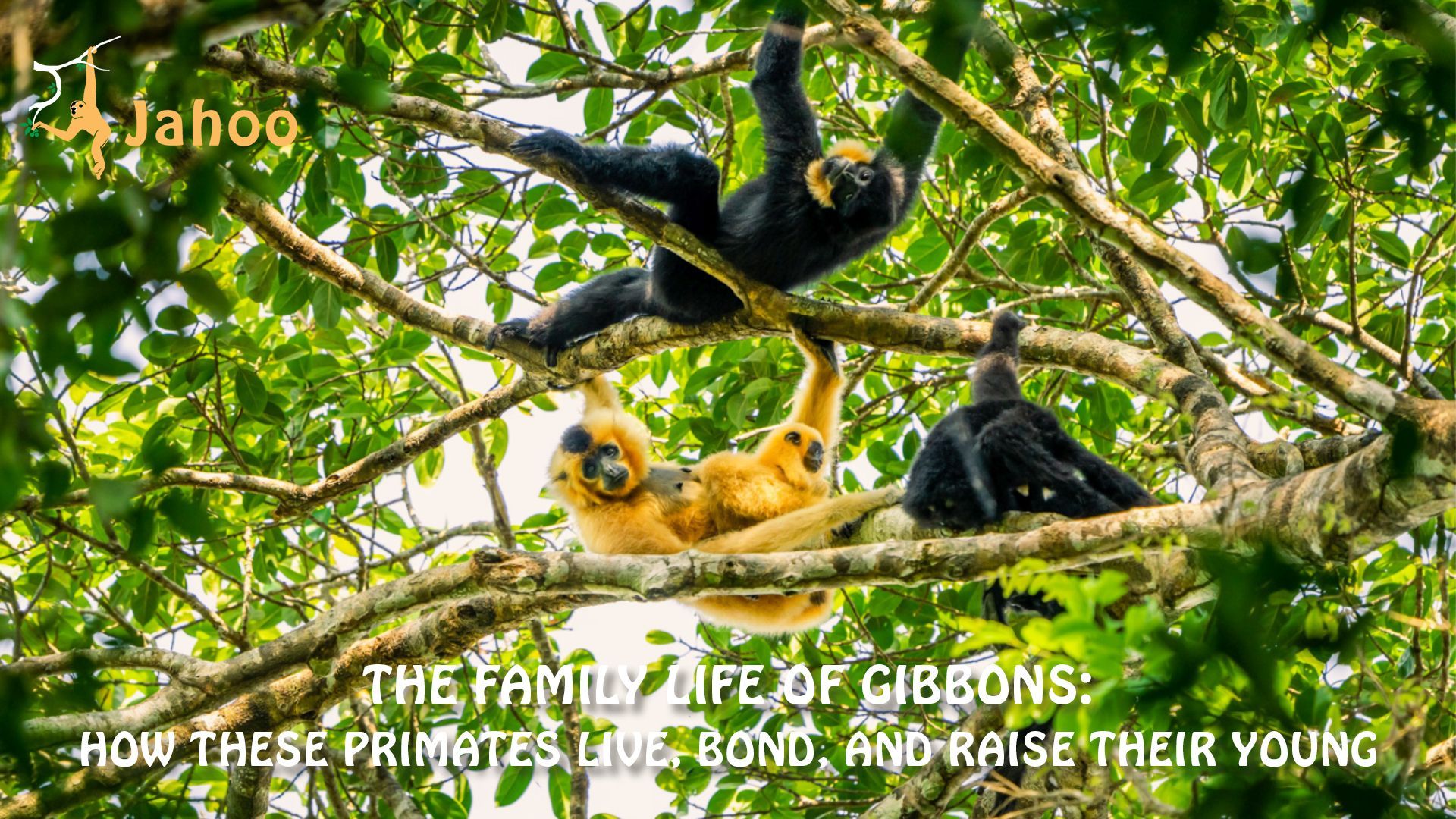
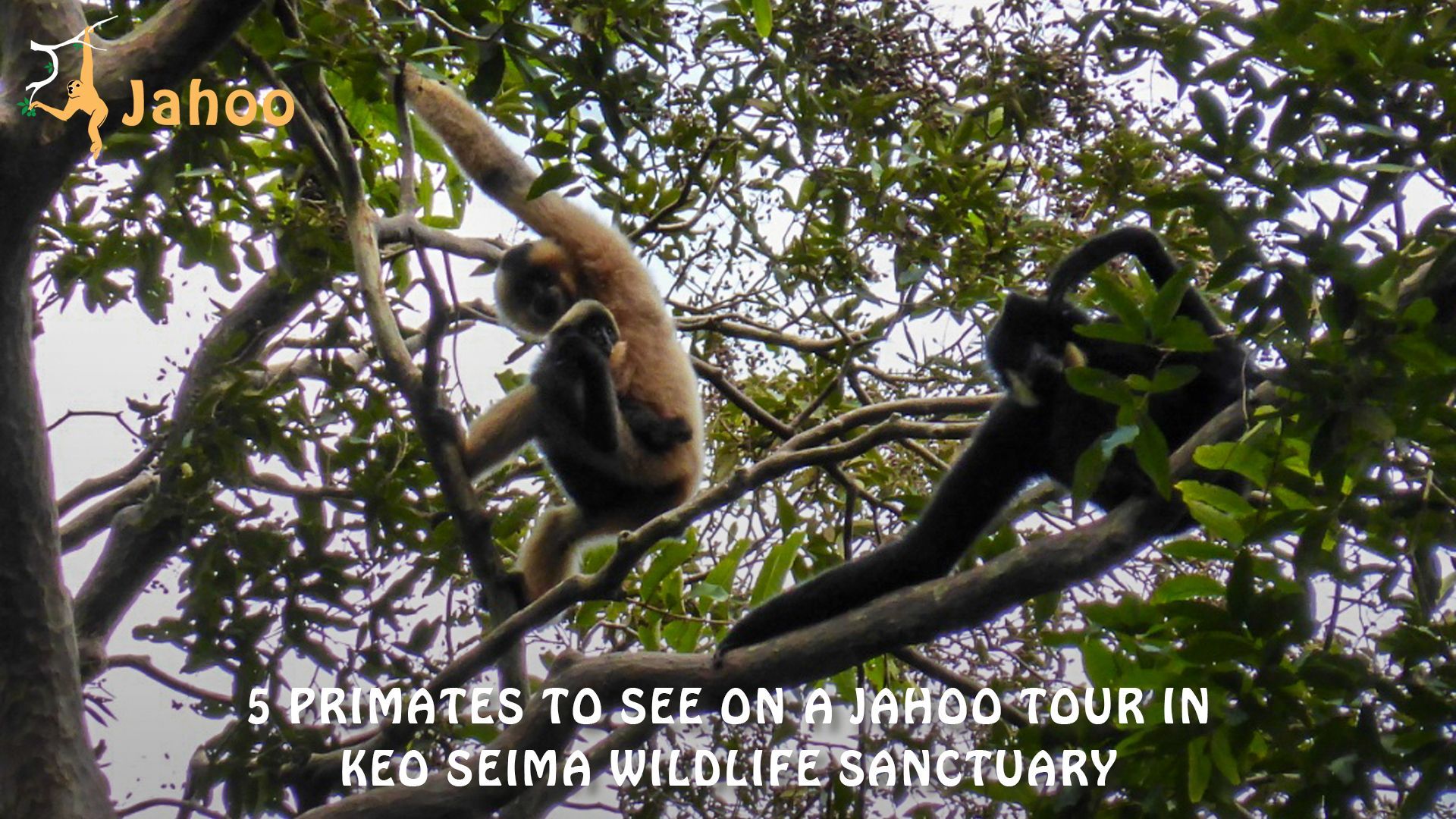
Gibbons are best known for their songs and their remarkable ability to move through the forest canopy. However, they also play an important ecological role.
As fruit-eaters, gibbons help disperse seeds across large areas of forest. By doing so, they contribute to the growth of future generations of trees.
Protecting gibbons means protecting one of the many natural processes that help forests remain healthy and diverse.
Protecting Entire Ecosystems
Conservation is not only about saving individual species. It is about maintaining the relationships that allow ecosystems to function.
When forests retain their full range of wildlife, they are better able to support clean water, healthy soils, carbon storage, and biodiversity.
Every species, no matter how small, contributes to this larger system.
Why This Matters in Keo Seima Wildlife Sanctuary
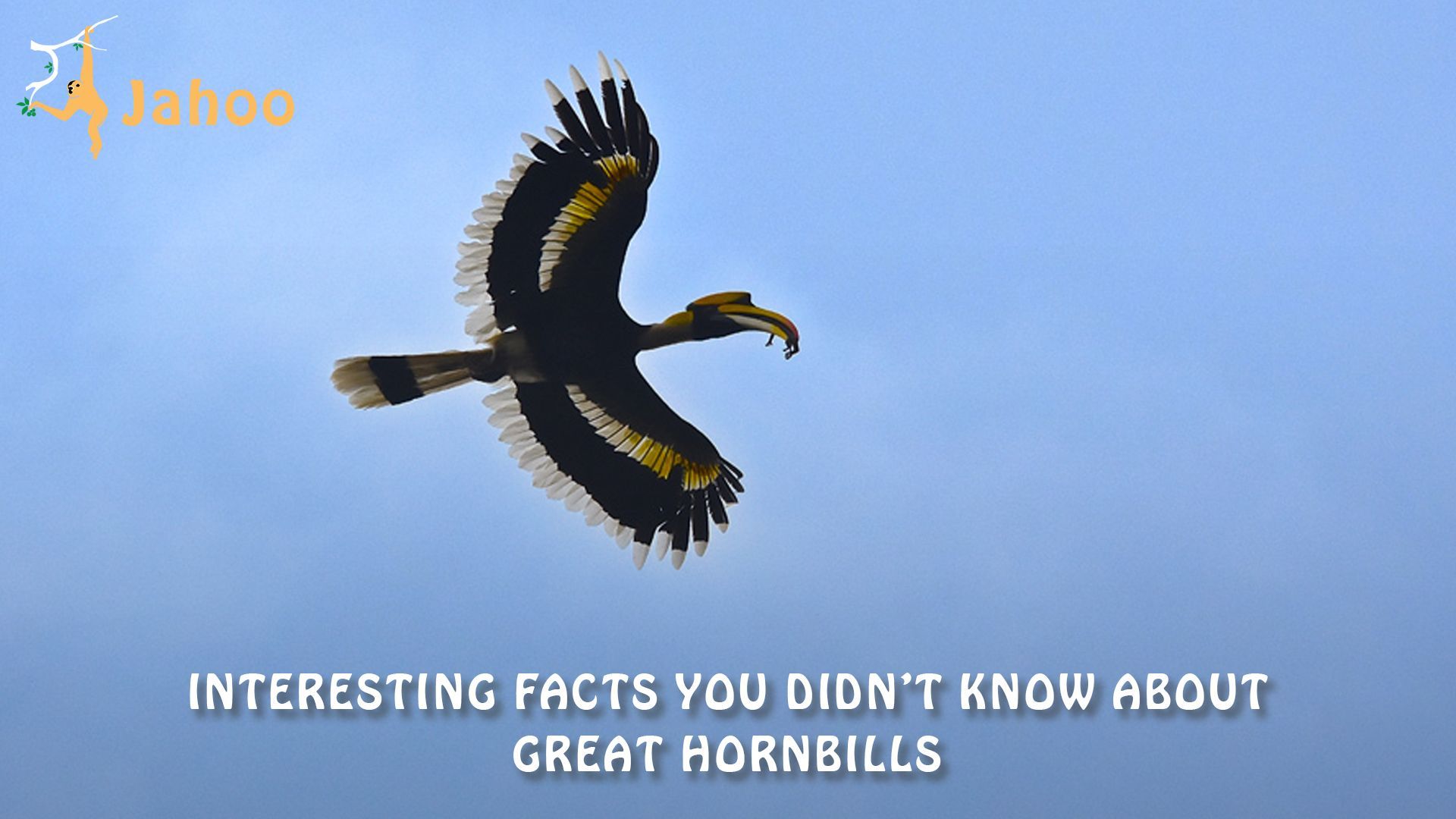
Keo Seima Wildlife Sanctuary is home to an extraordinary variety of wildlife, including gibbons, douc langurs, hornbills, civets, reptiles, and countless other species.
Together, these animals help maintain the ecological processes that keep the forest healthy.
Protecting wildlife is not simply about preserving individual species. It is about safeguarding the entire ecosystem and ensuring that future generations can continue to benefit from one of Cambodia's most important forests.
The disappearance of a species is rarely an isolated event. Every plant and animal plays a role in maintaining the balance of a forest ecosystem.
When a species is lost, the effects can spread throughout the environment, influencing everything from food chains to forest regeneration. By protecting wildlife and biodiversity, we help ensure that forests remain healthy, resilient, and full of life for generations to come.