Interesting Facts You Didn’t Know About Pygmy Slow Lorises
Interesting Facts You Didn’t Know About Pygmy Slow Lorises
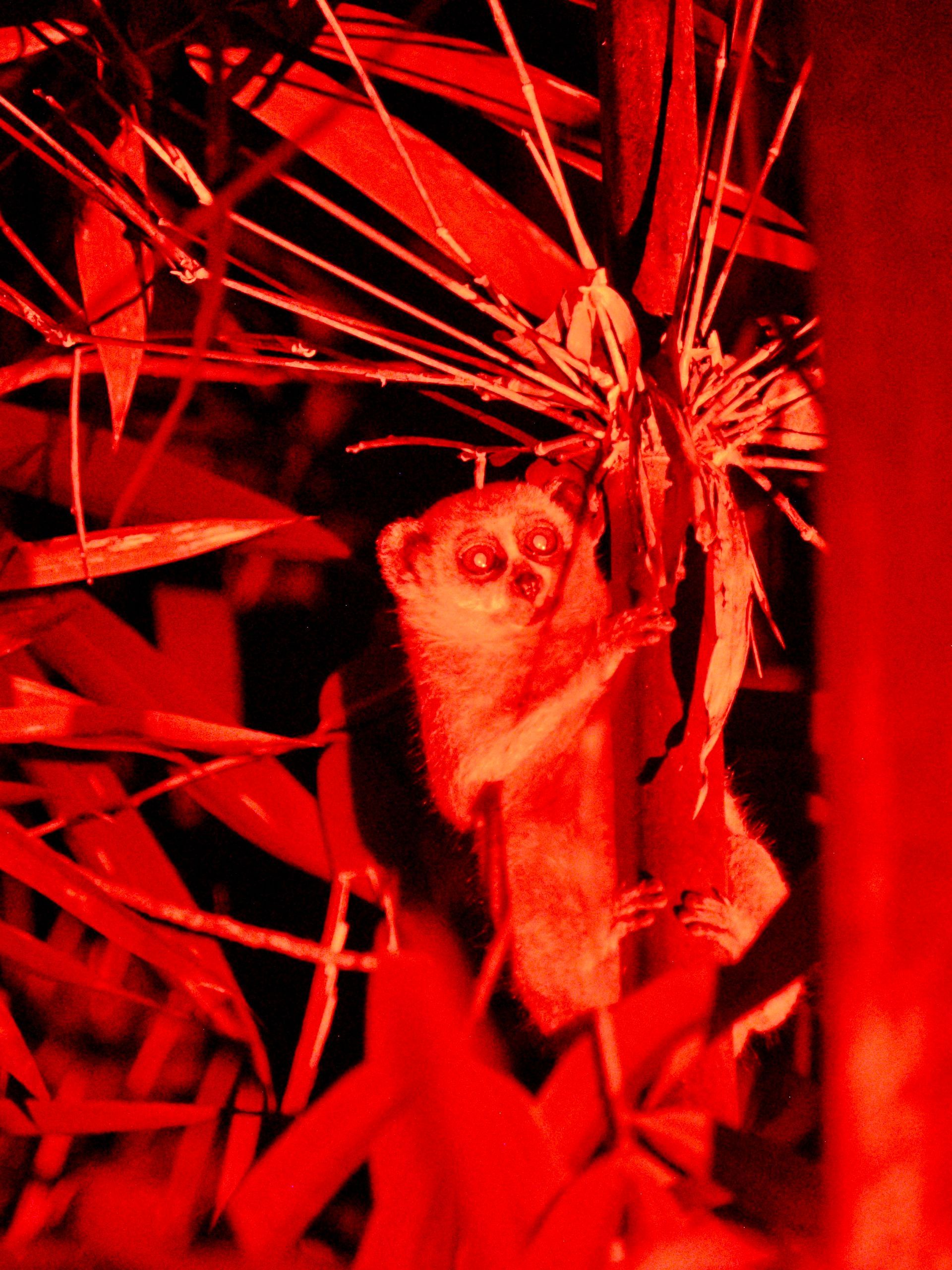
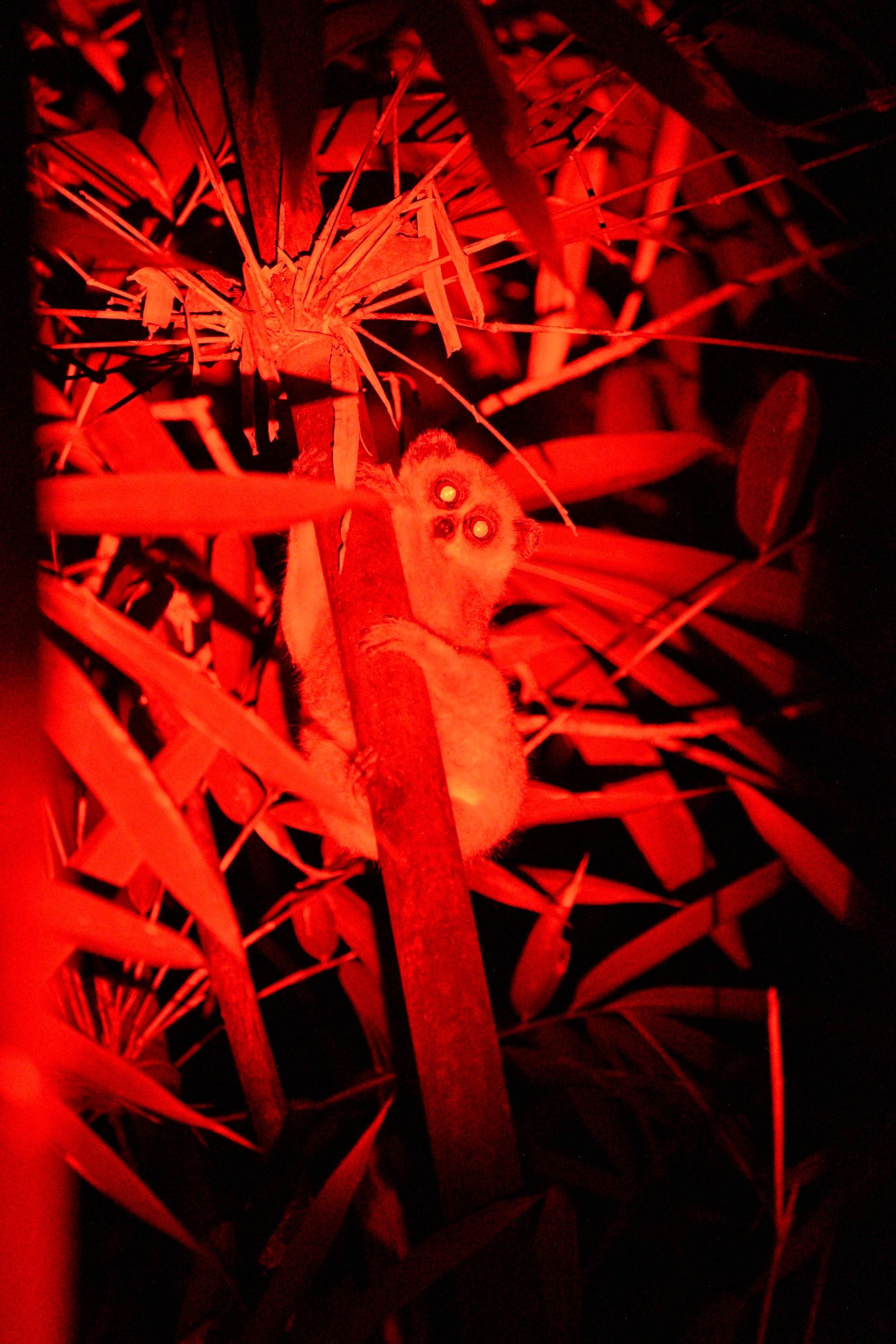
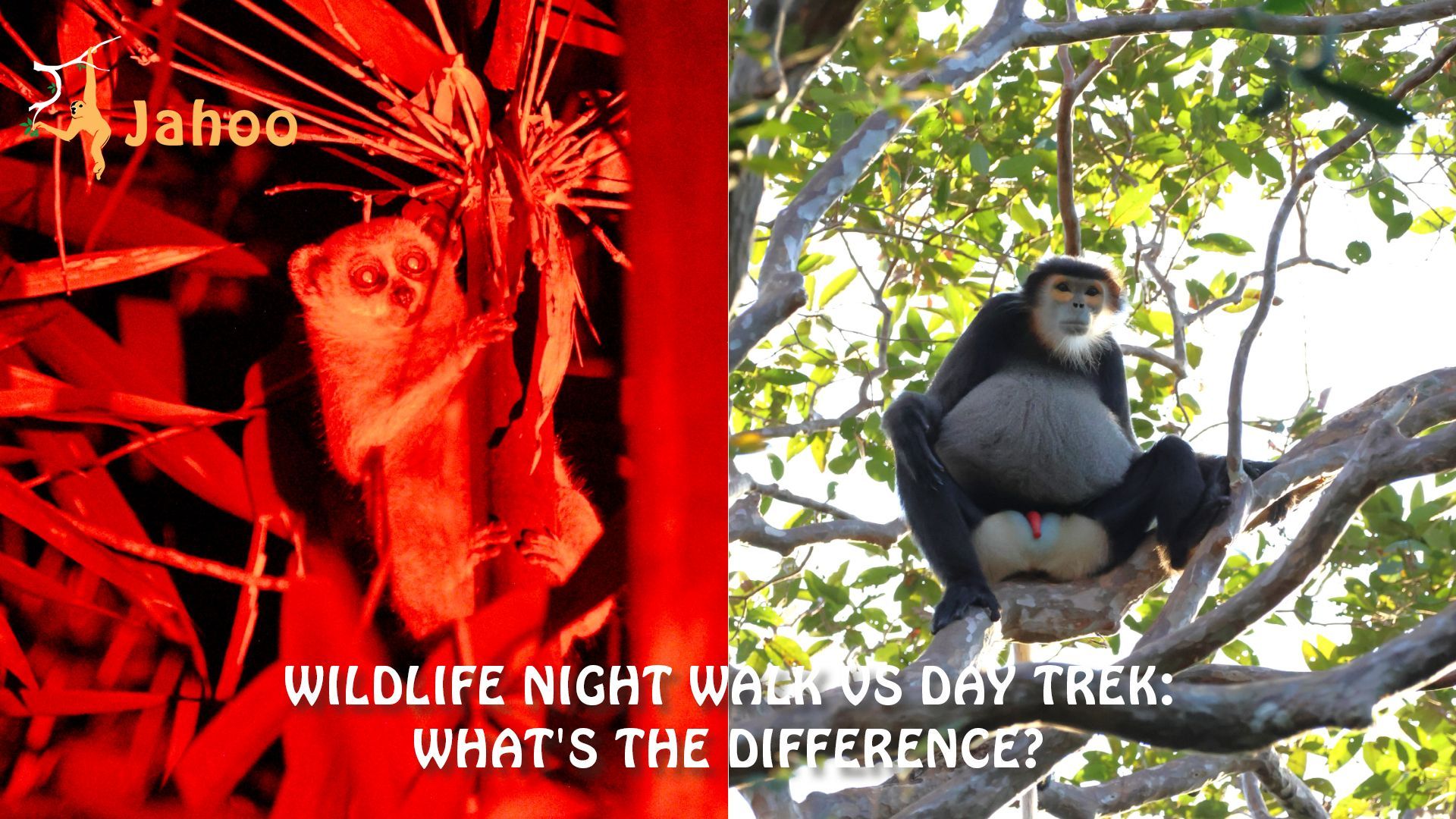
DRarely seen during the day, the Pygmy Slow Loris is one of the forest’s most secretive and fascinating nighttime animals in Keo Seima Wildlife Sanctuary. With their large glowing eyes, careful movements, and quiet behavior, these tiny primates are perfectly adapted to life in the dark forests of Cambodia.
Although they may look gentle and slow, pygmy slow lorises are full of surprising adaptations that help them survive in the wild.
1. Pygmy Slow Lorises Are Nocturnal
Pygmy slow lorises are active mostly at night. Their large round eyes help them see in low light as they move carefully through the forest canopy searching for food.
During the day, they usually sleep hidden among dense branches and leaves.
2. They Move Slowly for a Reason
Unlike fast-moving primates, slow lorises move carefully and quietly to avoid attracting predators.
Their slow movement also helps them remain unnoticed while searching for insects, fruits, tree gum, and nectar.
3. They Are One of the Few Venomous Mammals
One of the most surprising facts about slow lorises is that they can produce venom.
They have special glands near their elbows that release toxins. When threatened, they lick these glands and mix the toxin with saliva, creating a defensive bite that can be painful to predators.
This makes slow lorises one of the very few venomous mammals in the world.
4. Their Strong Grip Helps Them Climb Trees
Pygmy slow lorises have powerful hands and feet that allow them to grip branches for long periods without getting tired.
This adaptation helps them move steadily through trees while feeding or resting.
5. They Communicate Quietly
Because they are nocturnal and secretive, pygmy slow lorises often communicate using soft vocalizations and scent markings rather than loud calls.
Their quiet behavior helps them avoid predators in the forest.
6. They Play an Important Role in Forest Ecosystems
By feeding on insects and pollinating flowers while drinking nectar, slow lorises contribute to healthy forest ecosystems.
Like many forest species, they are part of the delicate balance that keeps tropical forests functioning.
7. They Face Serious Threats in the Wild
Across Southeast Asia, pygmy slow lorises face growing threats from habitat loss, illegal wildlife trade, and the use of wildlife in traditional medicine.
Their large eyes and gentle appearance have unfortunately made them targets for the exotic pet trade, while in some areas they are also among the most commonly traded animals for use in traditional medicine.
These pressures have contributed to population declines across their range, making protected forests increasingly important for their survival.
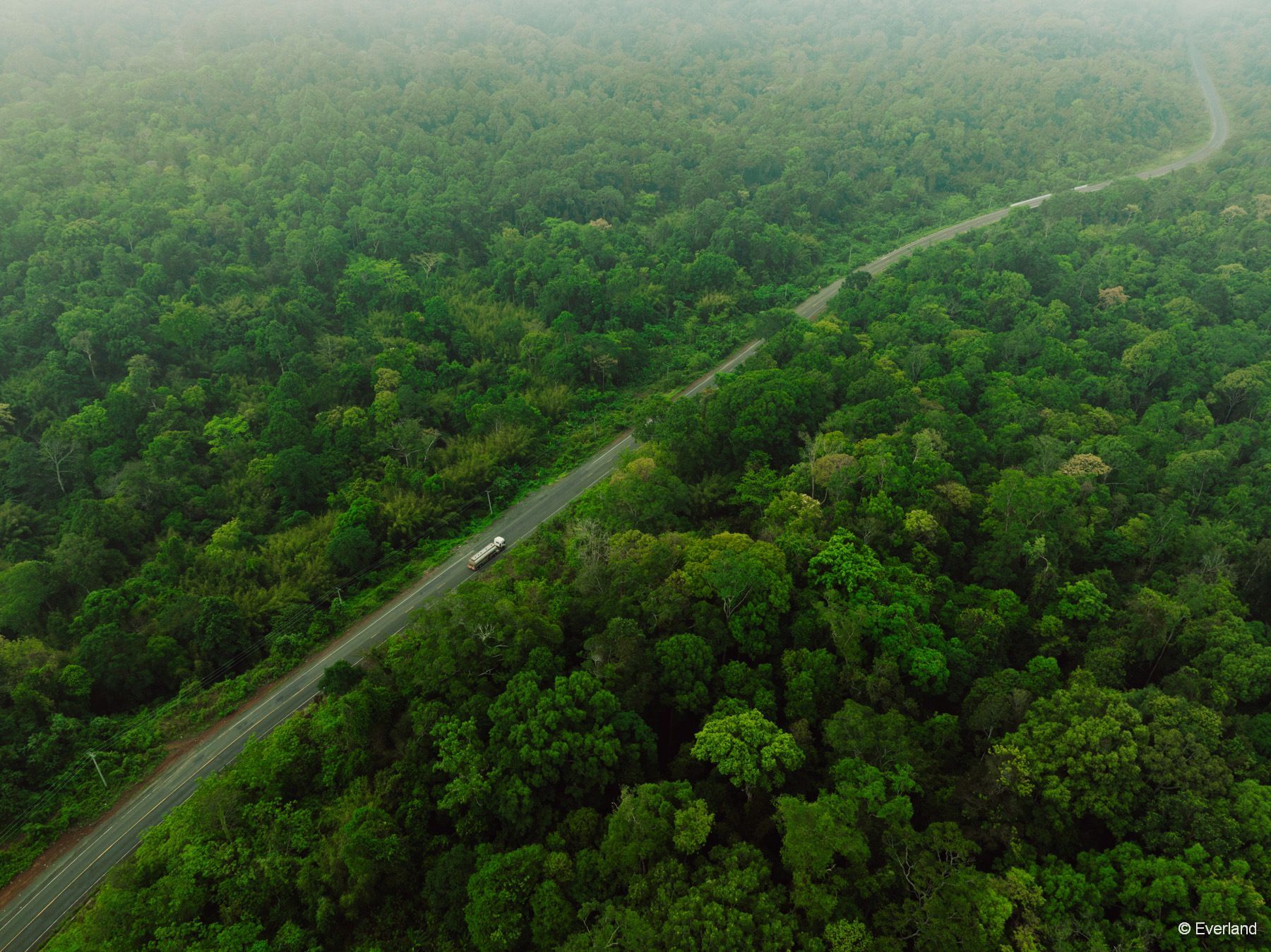
Protected landscapes such as Keo Seima Wildlife Sanctuary provide critical habitat for pygmy slow lorises and help support long-term conservation efforts for this remarkable species.