Is Mondulkiri Worth Visiting Year-Round?
Is Mondulkiri Worth Visiting Year-Round?
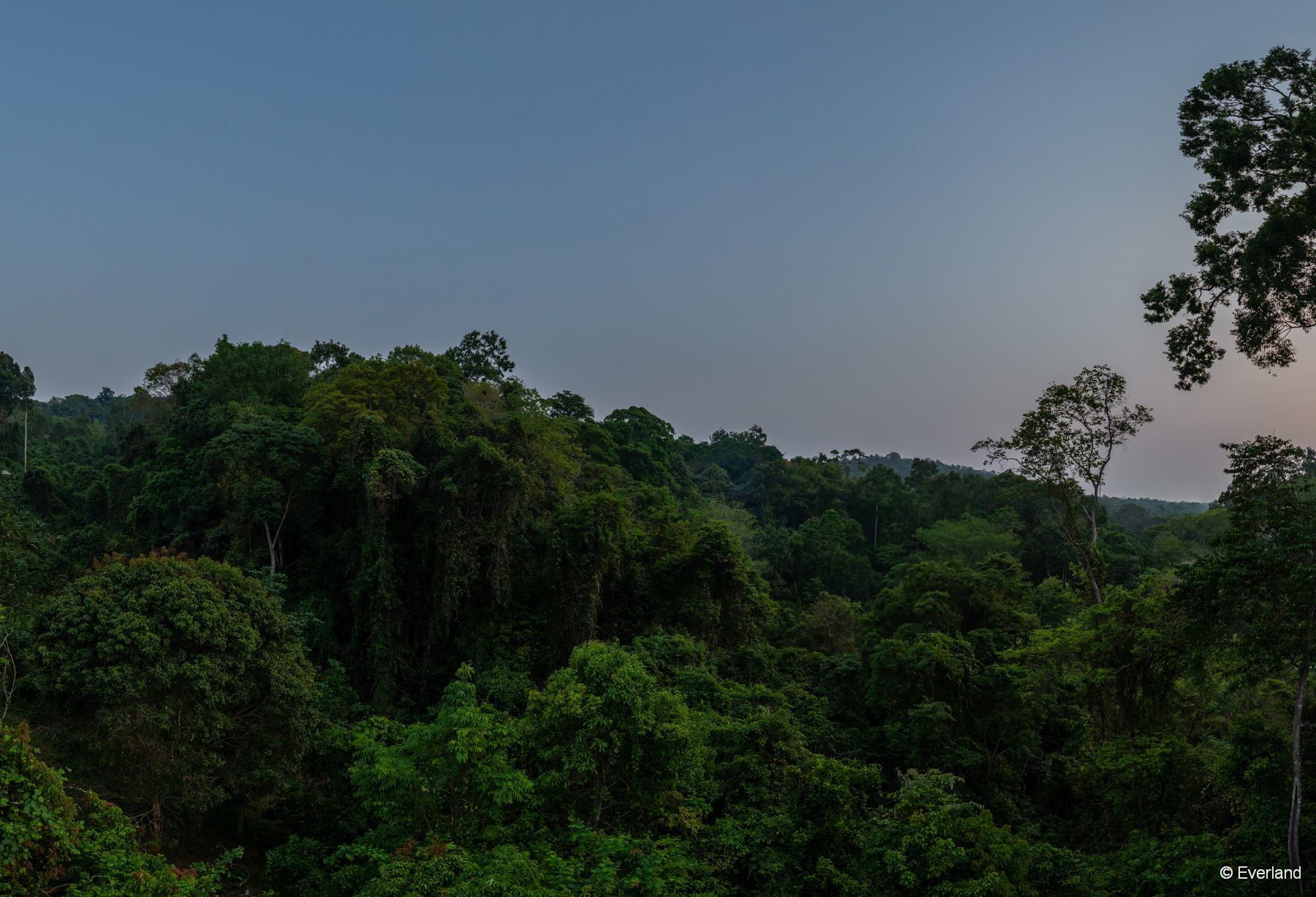
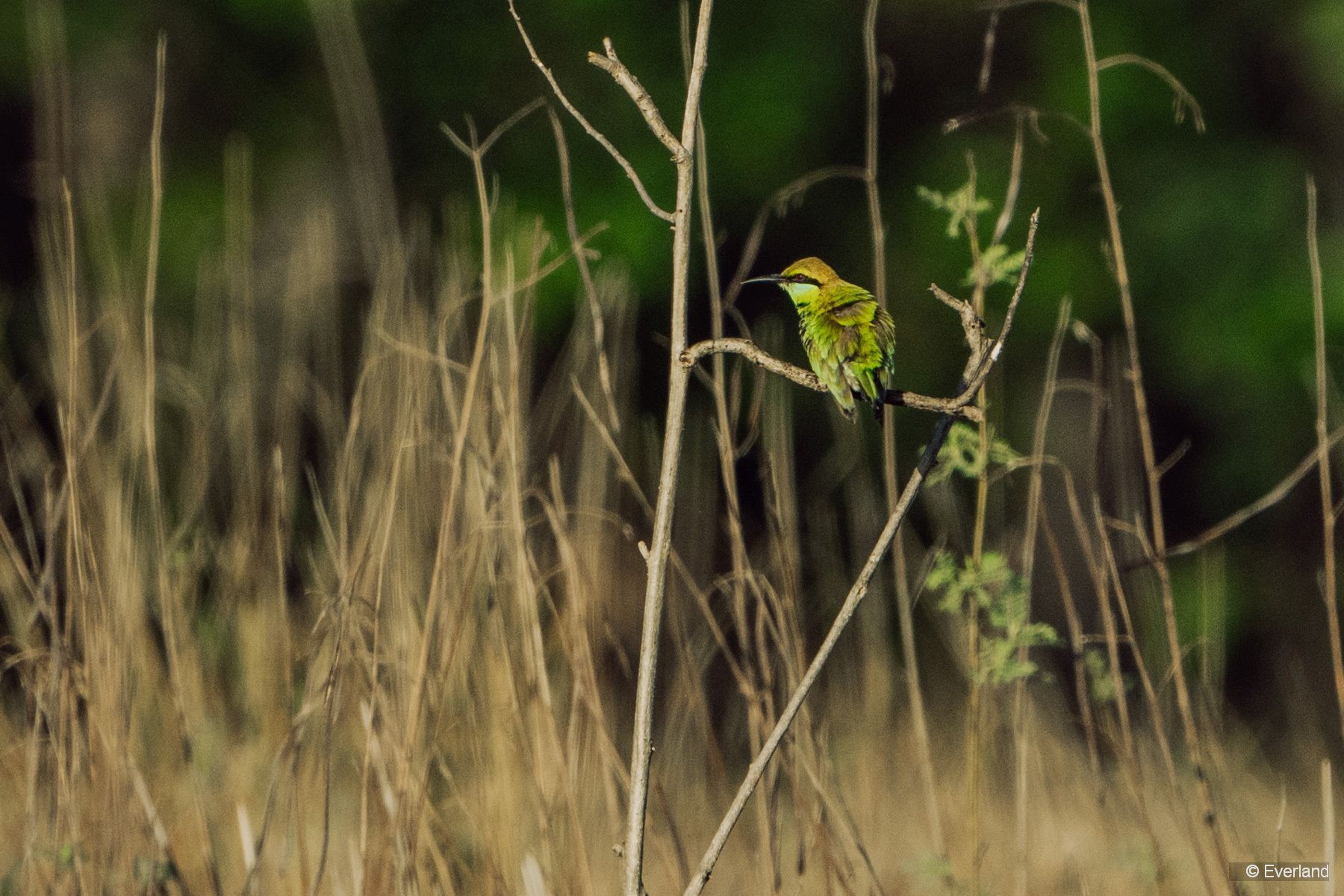
A Destination Beyond One “Best” Season
Mondulkiri is often associated with a “best time to visit,” usually during the dry season. But in reality, the landscape changes throughout the year, and each season offers a different way to experience the forest.
Rather than asking when to visit, it may be more useful to understand what each season brings.
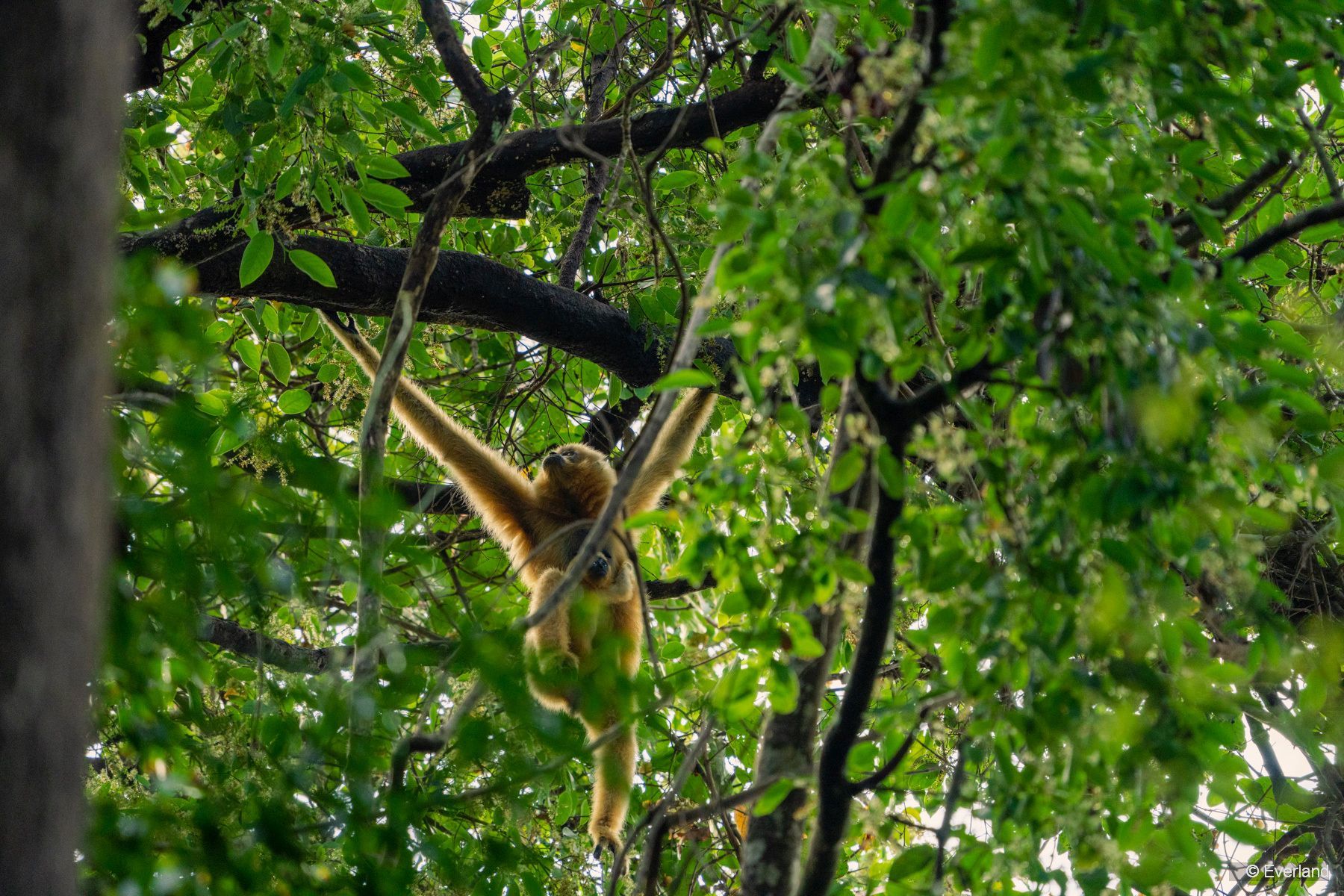
In Keo Seima Wildlife Sanctuary, these seasonal shifts are part of how the ecosystem naturally functions.
Dry Season: Easier Access, Clearer Trails
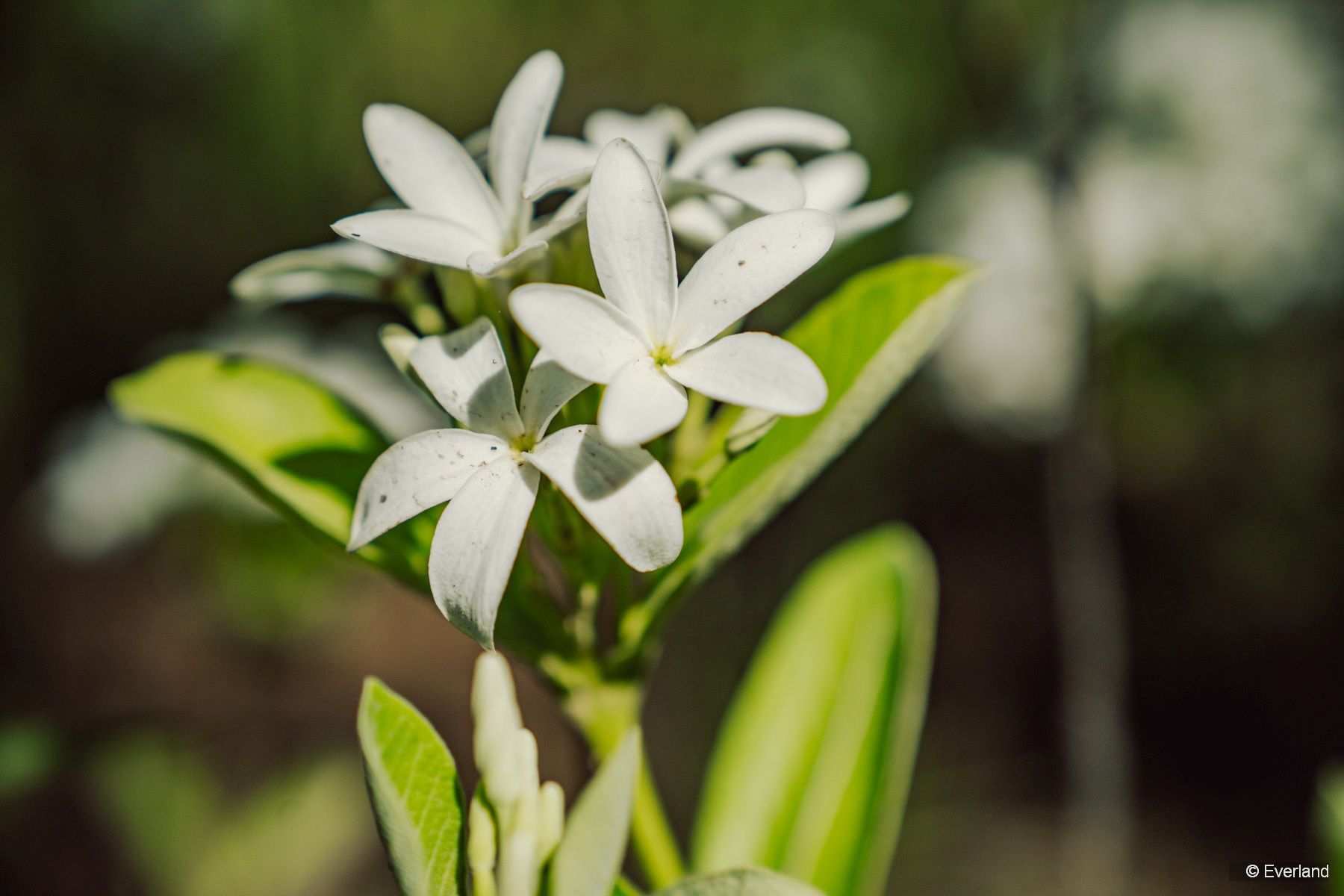
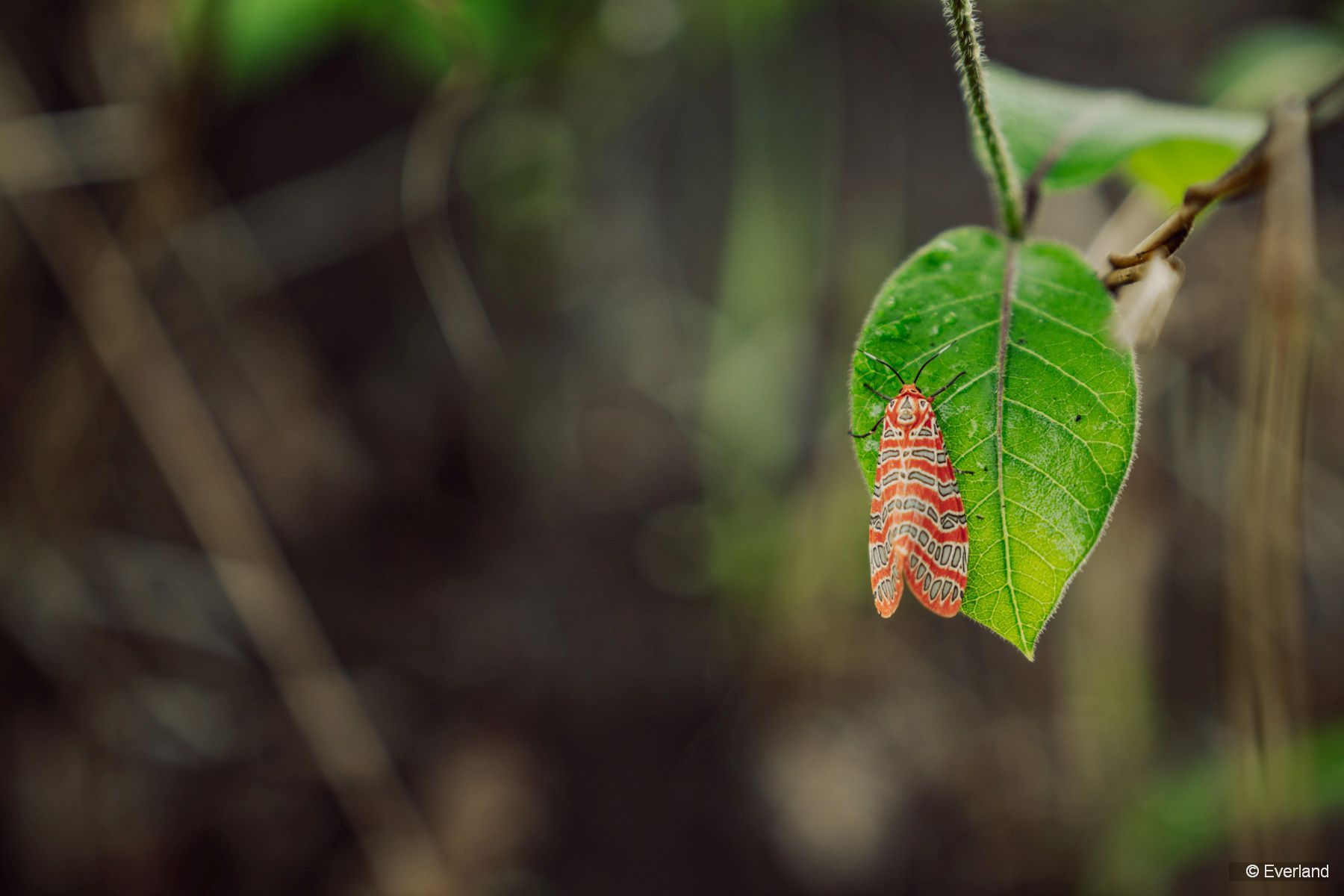
During the dry season, trails are generally easier to navigate, and travel conditions are more predictable.
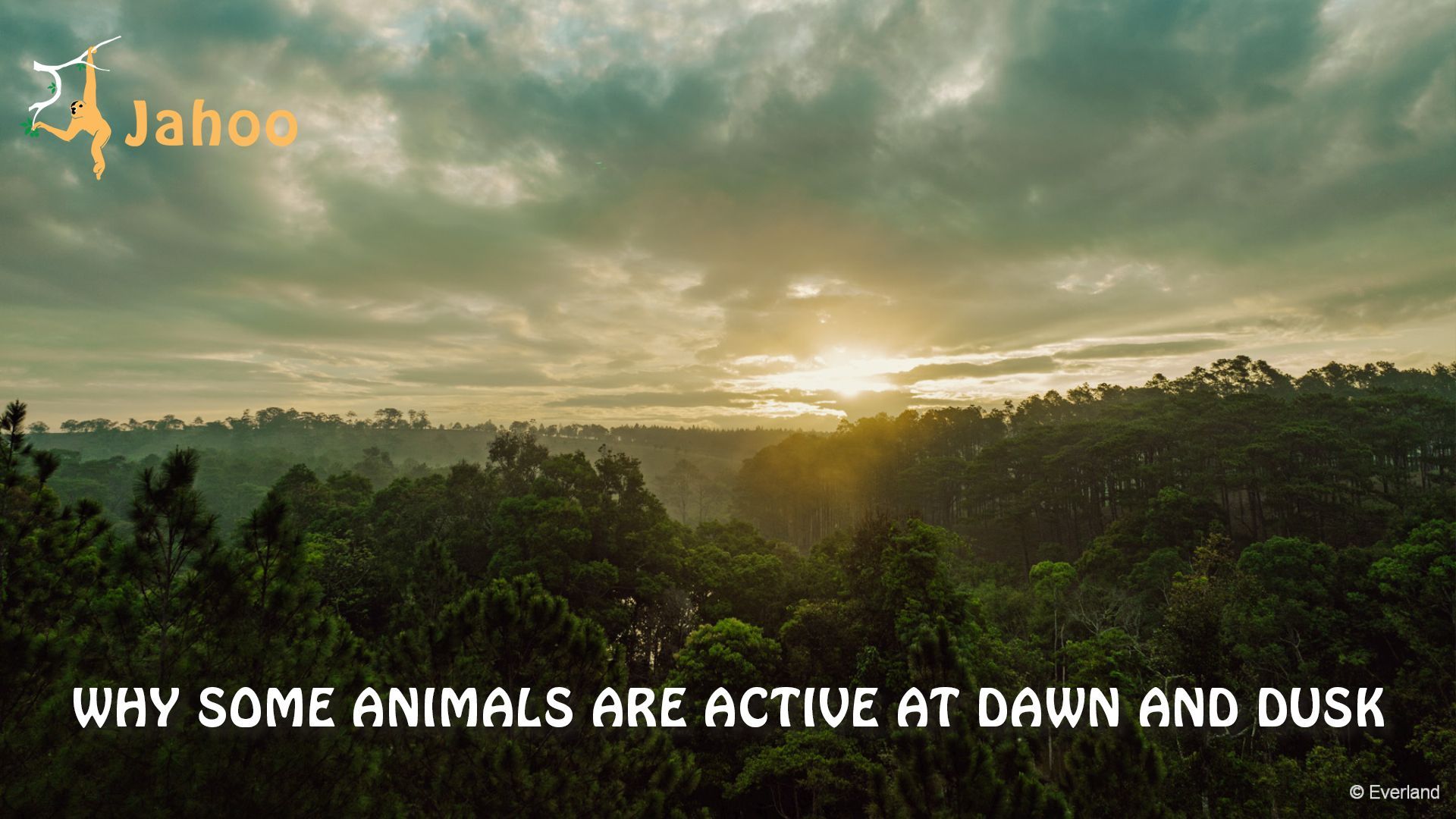
However, the dry season in Mondulkiri is not the same throughout the year. December and January are often the coolest months, particularly around Sen Monorom and the higher elevations of Jahoo. Crisp mornings and cooler temperatures make this a particularly comfortable time for trekking and spending extended periods in the forest.
As the season progresses into February, March, and April, temperatures gradually rise before the arrival of the rains. Forest conditions remain accessible, but visitors experience a warmer side of Mondulkiri.
Throughout the dry season, forest visibility can be slightly clearer, logistics are more straightforward, and guided activities are easier to plan. As a result, this remains one of the most popular times to visit Keo Seima Wildlife Sanctuary.
Rainy Season: Greener, More Active, Less Crowded
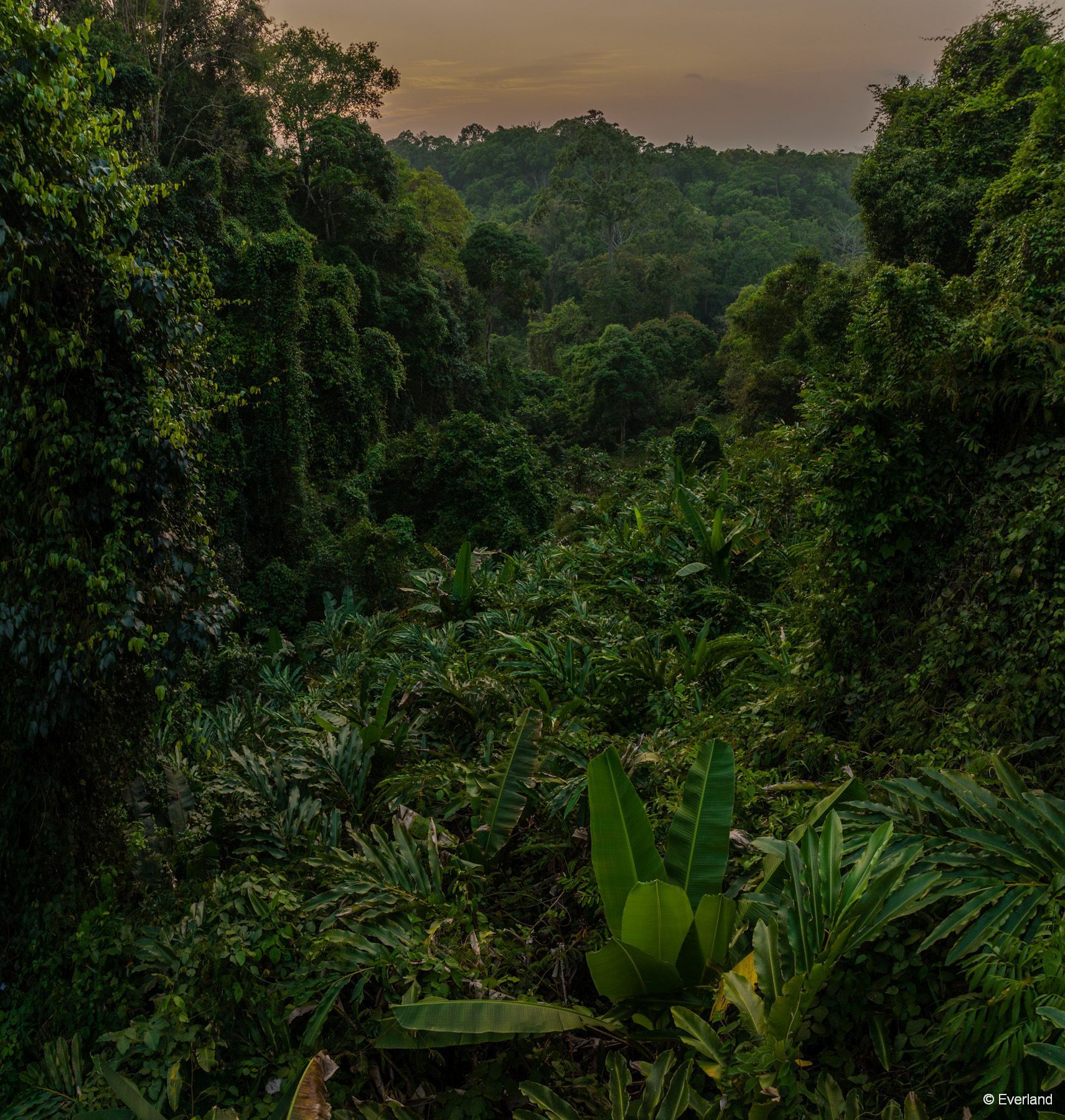
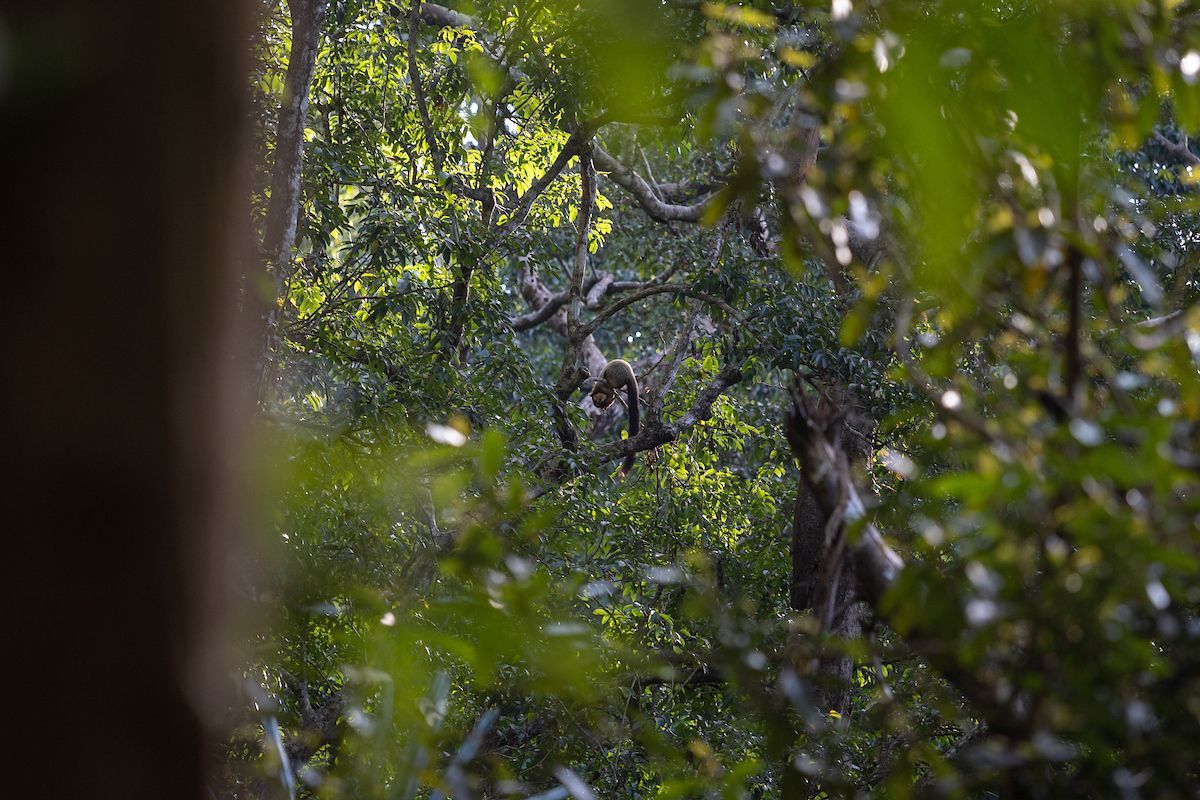
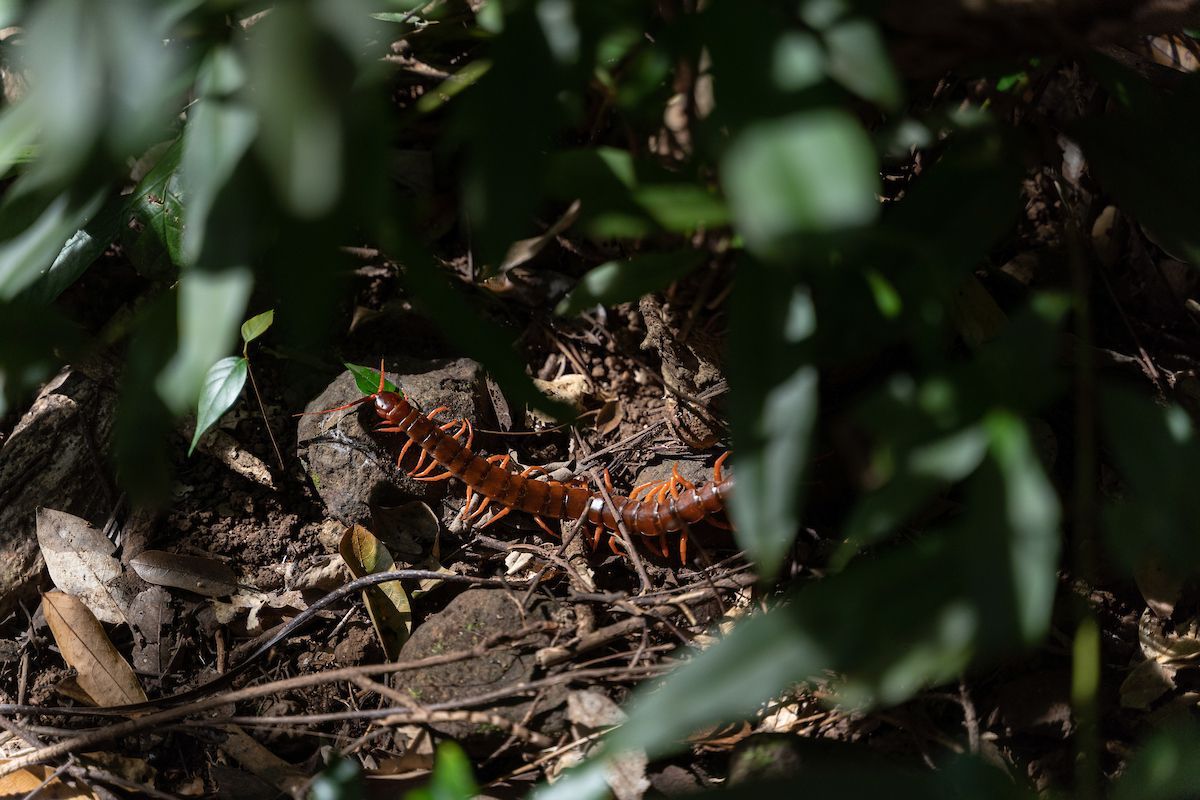
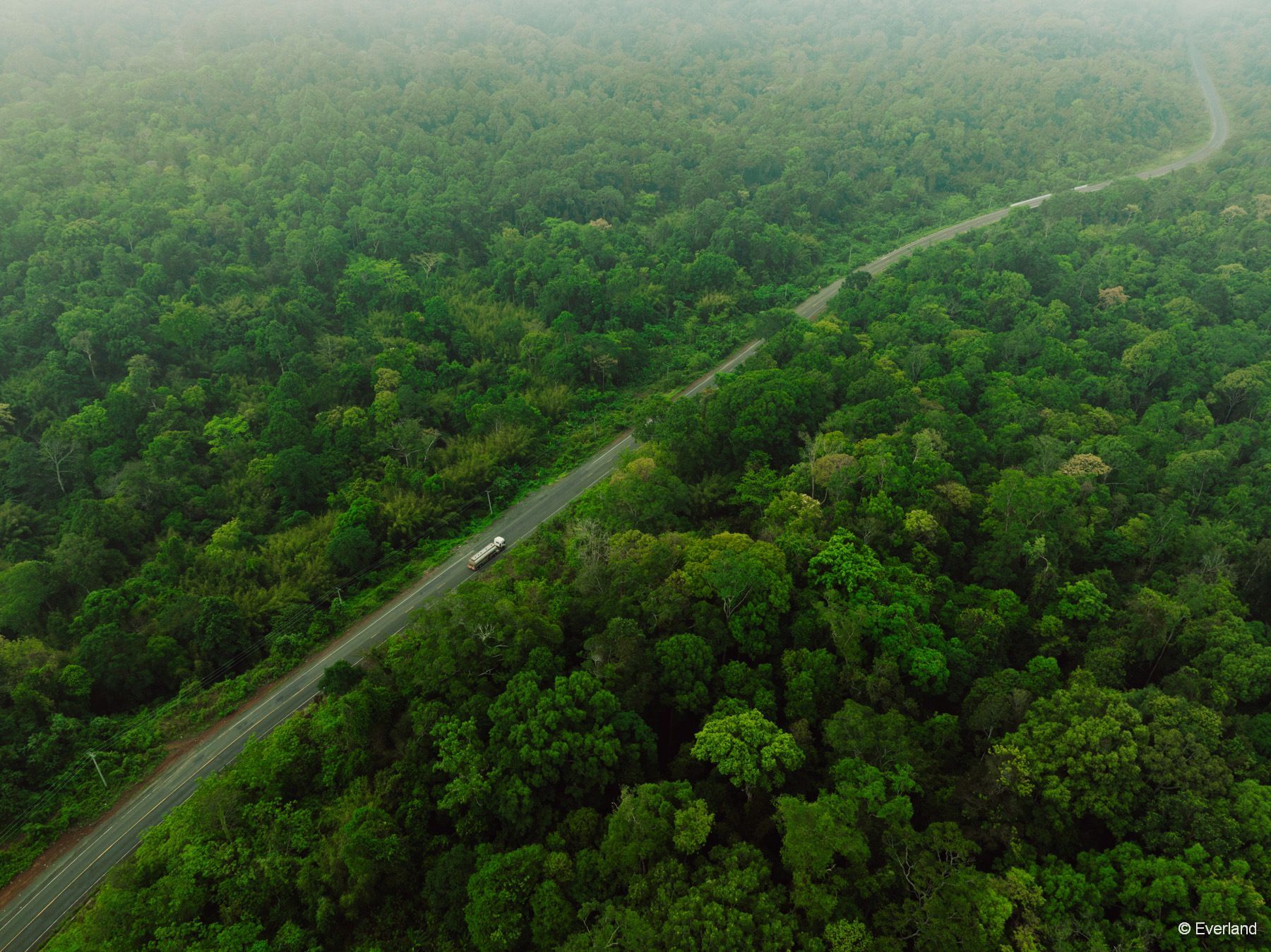
In Mondulkiri, the rainy season is often referred to as the "Green Season" because this is when the landscape is at its most vibrant. Typically running from around May through October, this period brings regular rainfall that transforms the forest.
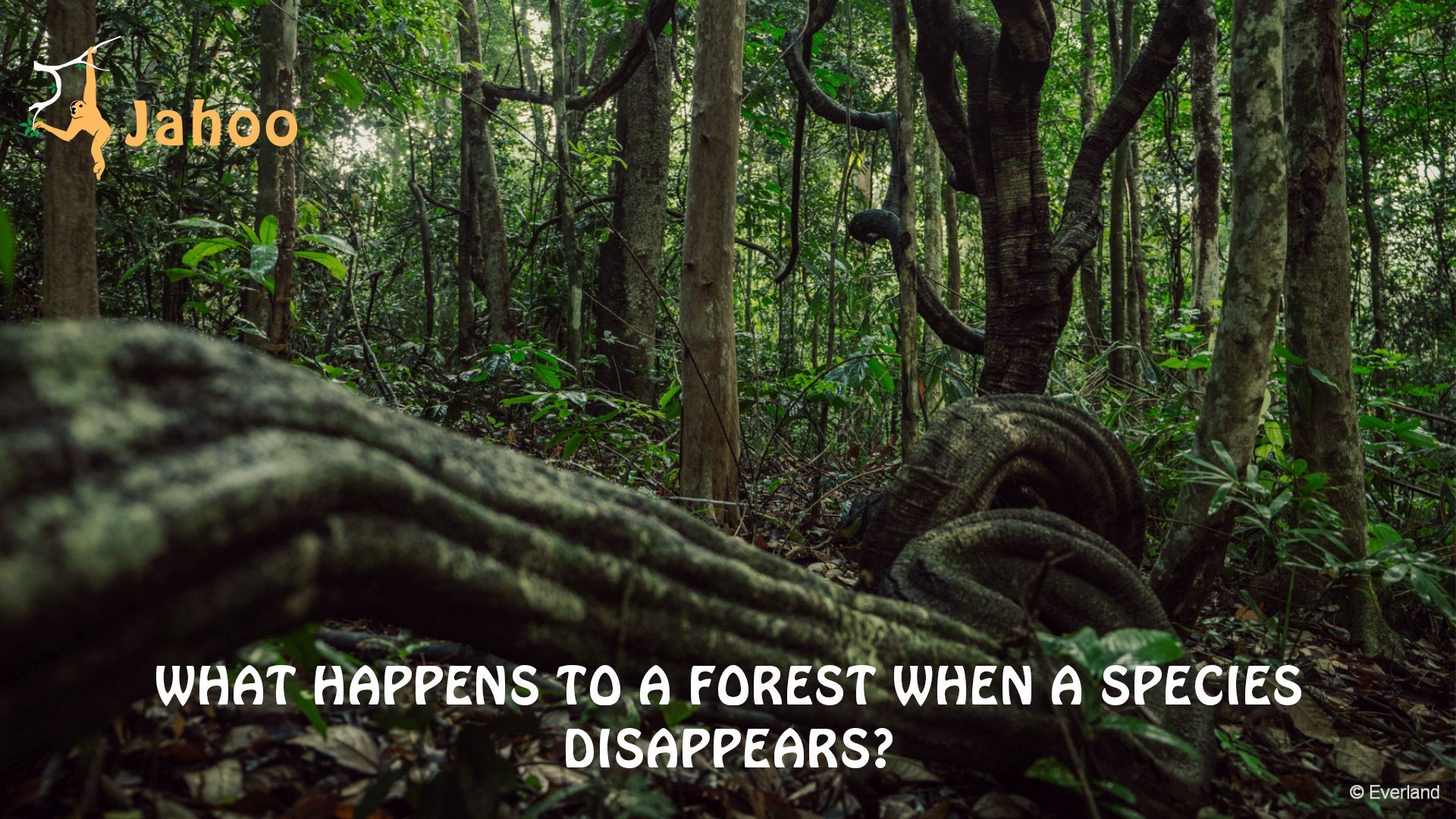
The forest becomes denser and greener, streams and water sources return, and wildlife activity increases as food becomes more abundant. Many species follow seasonal cycles linked to rainfall, making the ecosystem feel particularly dynamic during these months.
The Green Season also tends to attract fewer visitors. For travellers seeking a quieter experience, this can mean more flexibility and a stronger sense of immersion in the forest.
Importantly, trips to Jahoo and Keo Seima Wildlife Sanctuary continue to operate throughout the Green Season with only minor adjustments. While occasional rain showers are part of the experience, visibility challenges are generally limited, and wildlife encounters remain rewarding.
Rather than seeing the rains as a limitation, many visitors find that the Green Season offers a different perspective on the sanctuary, revealing the forest at one of its most productive and visually striking times of year.
What Stays the Same Year-Round
While conditions change, the core experience remains the same.
Guided forest walks, wildlife tracking, and learning from local guides are possible throughout the year. Each season simply highlights different aspects of the forest.
With the right preparation, including suitable footwear and flexibility in timing, visiting in any season remains accessible.
So, Is Mondulkiri Worth Visiting Year-Round?
Yes, but not because every season is the same.
Mondulkiri is worth visiting year-round because each season offers something different:
Dry season: easier access and predictability
Rainy season: greener landscapes and more active ecosystems
At Jahoo, we don’t see a single “best” time to visit. Instead, each season provides a different perspective of the same forest.
And that is what makes Mondulkiri worth experiencing any time of year.