5 Primates to See on a Jahoo Tour in Keo Seima Wildlife Sanctuary
5 Primates to See on a Jahoo Tour in
Keo Seima Wildlife Sanctuary
Discover the Primates of Keo Seima Wildlife Sanctuary
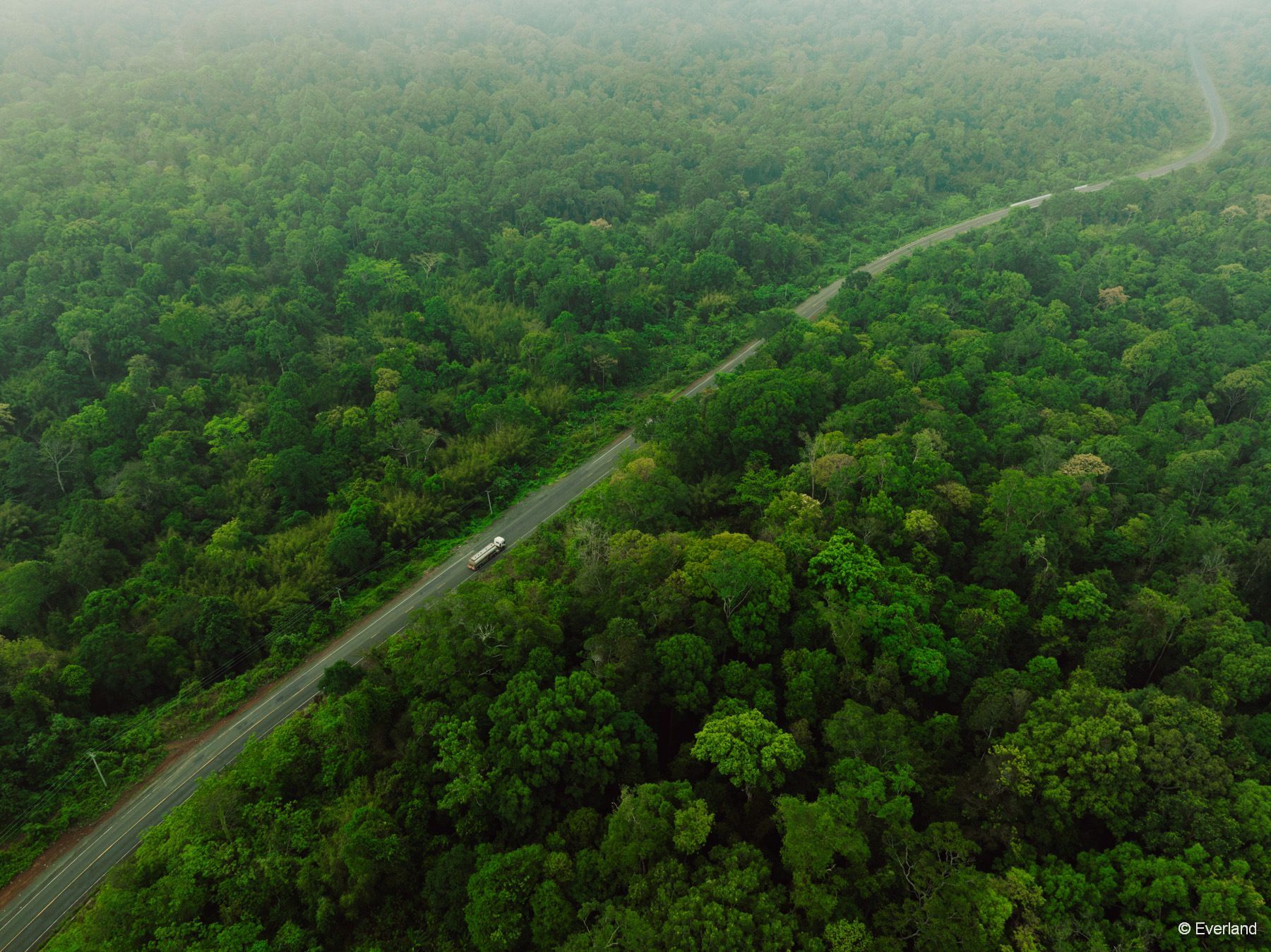
Keo Seima Wildlife Sanctuary is often described as a sanctuary for primates. The protected forest is home to seven primate species, five of which can regularly be encountered on Jahoo Tours.
From the haunting dawn calls of gibbons to the colourful Black-shanked Douc Langur and the elusive nocturnal Pygmy Slow Loris, the sanctuary offers one of the best opportunities in Cambodia to observe wild primates in their natural habitat.
Here are five primate species you may encounter during your visit.
1. Southern Yellow-cheeked Crested Gibbon (Nomascus gabriellae)
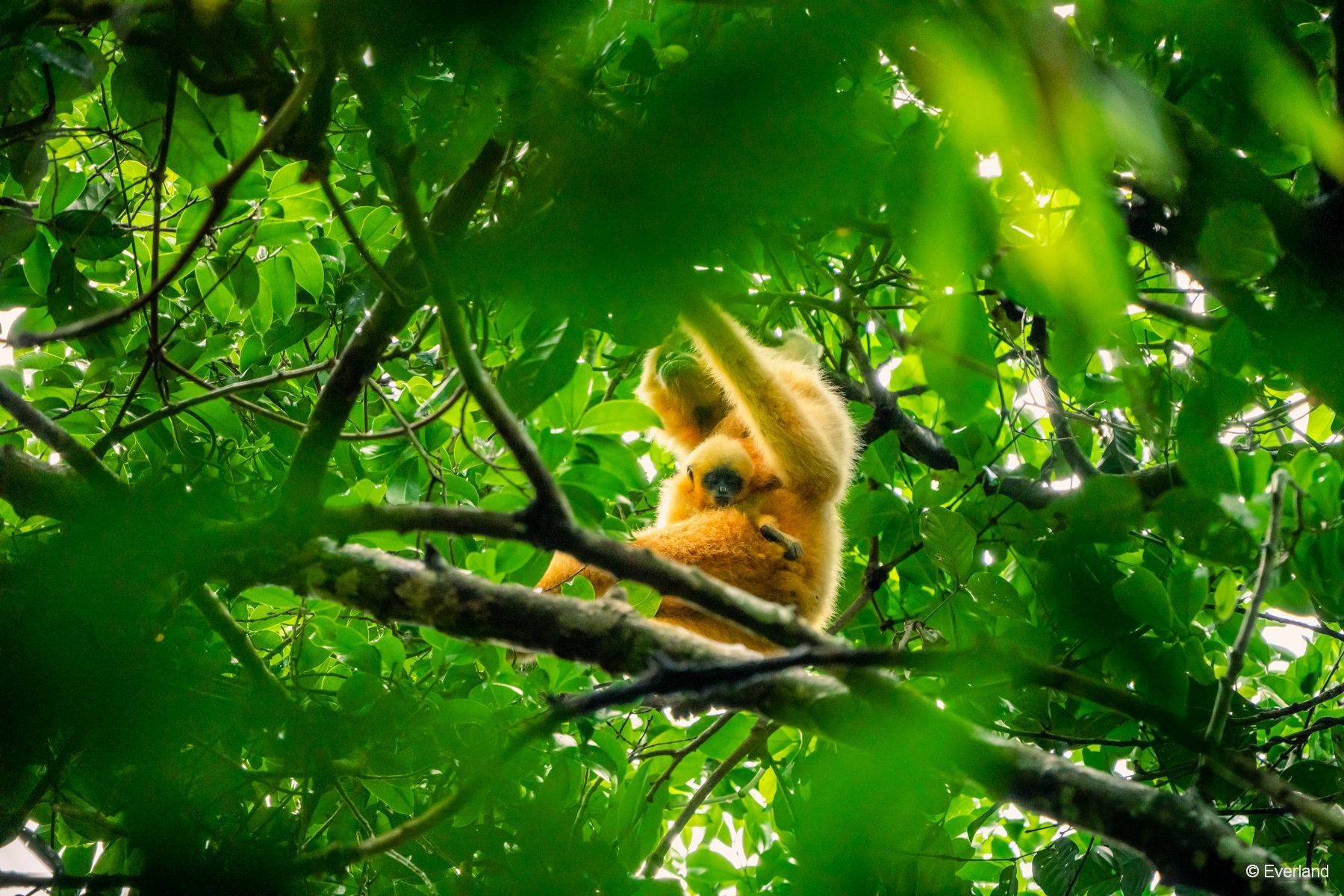
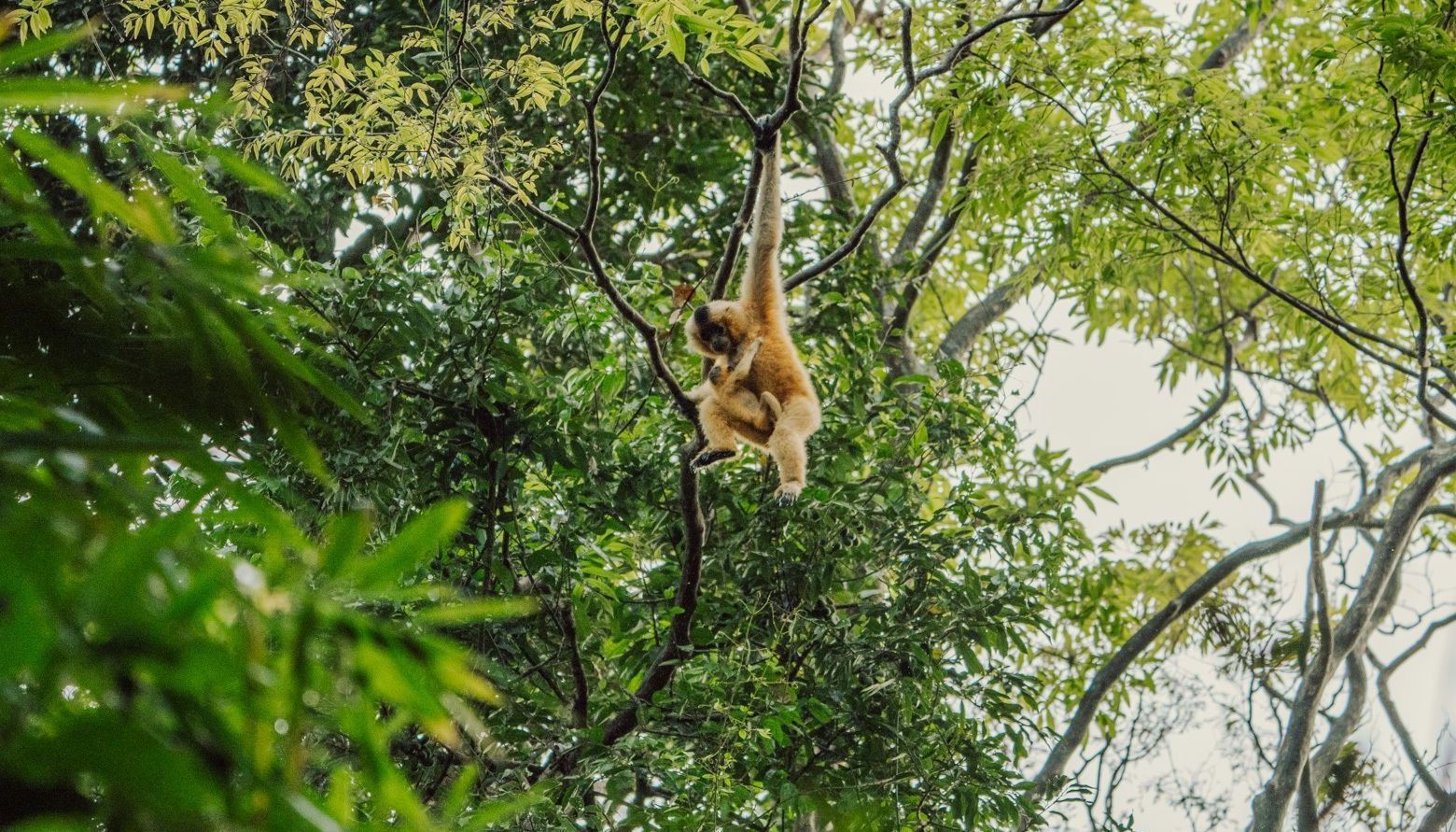
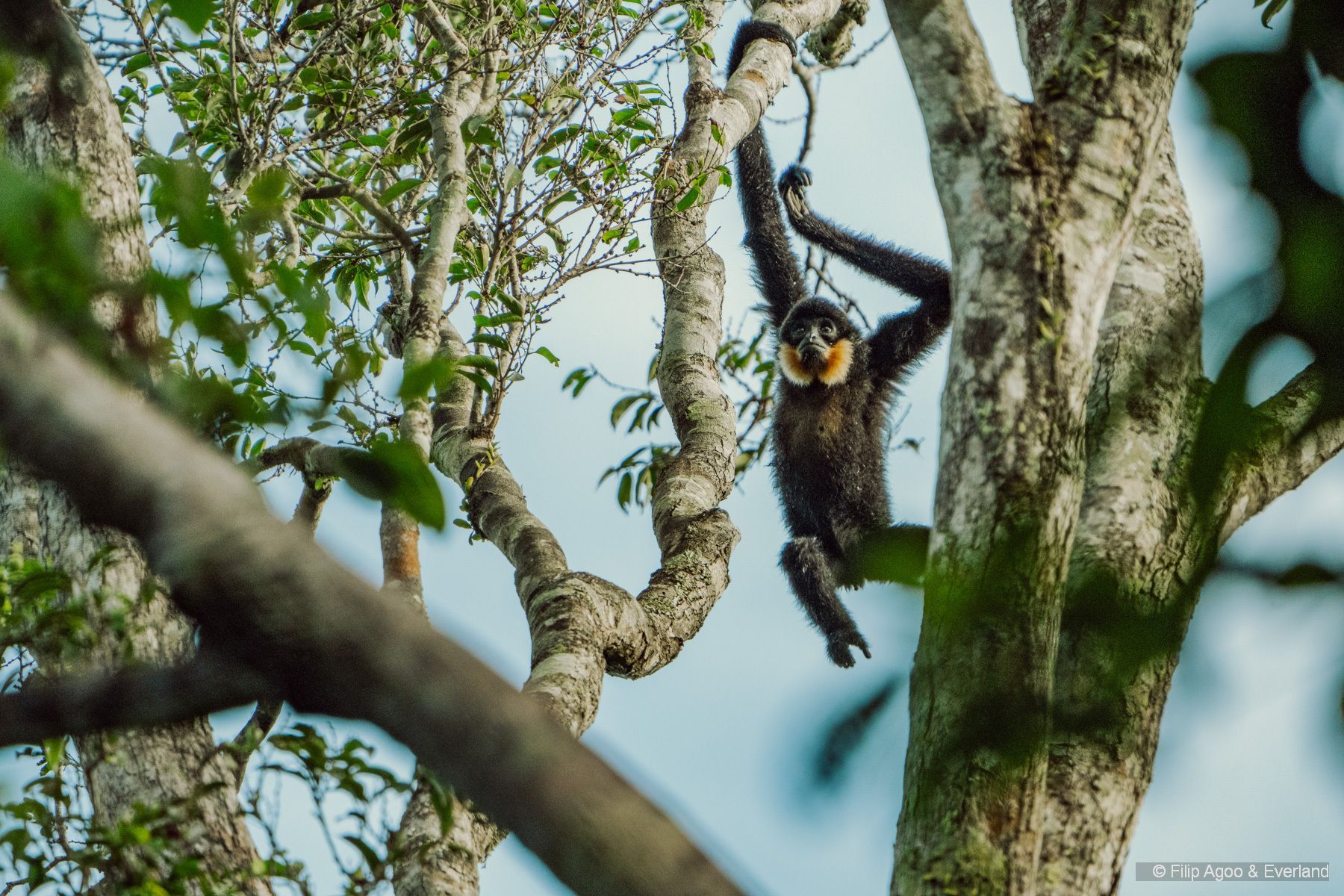
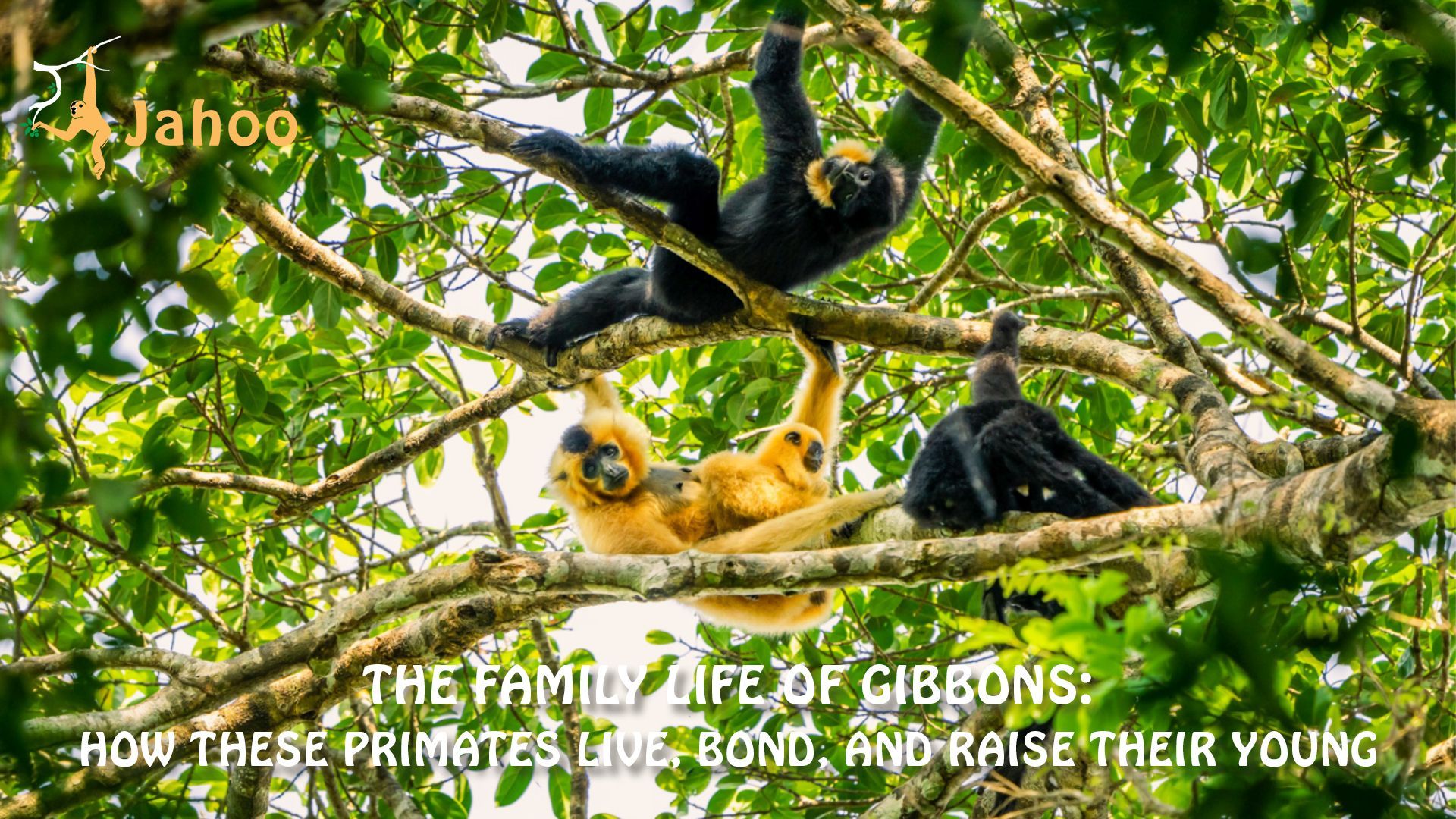
The Southern Yellow-cheeked Crested Gibbon is one of the sanctuary’s most iconic species. Living high in the forest canopy, these agile primates are known for their powerful morning calls that echo across the hills at sunrise.
Jahoo’s gibbon tracking experiences begin before dawn, when gibbons are most active. Tours follow strict ethical guidelines to ensure observation without disturbance, supporting long-term conservation and research efforts.
Watching a gibbon family move effortlessly through the treetops is one of the most unforgettable wildlife moments in Cambodia.
2. Black-shanked Douc Langur
(Pygathrix nigripes)
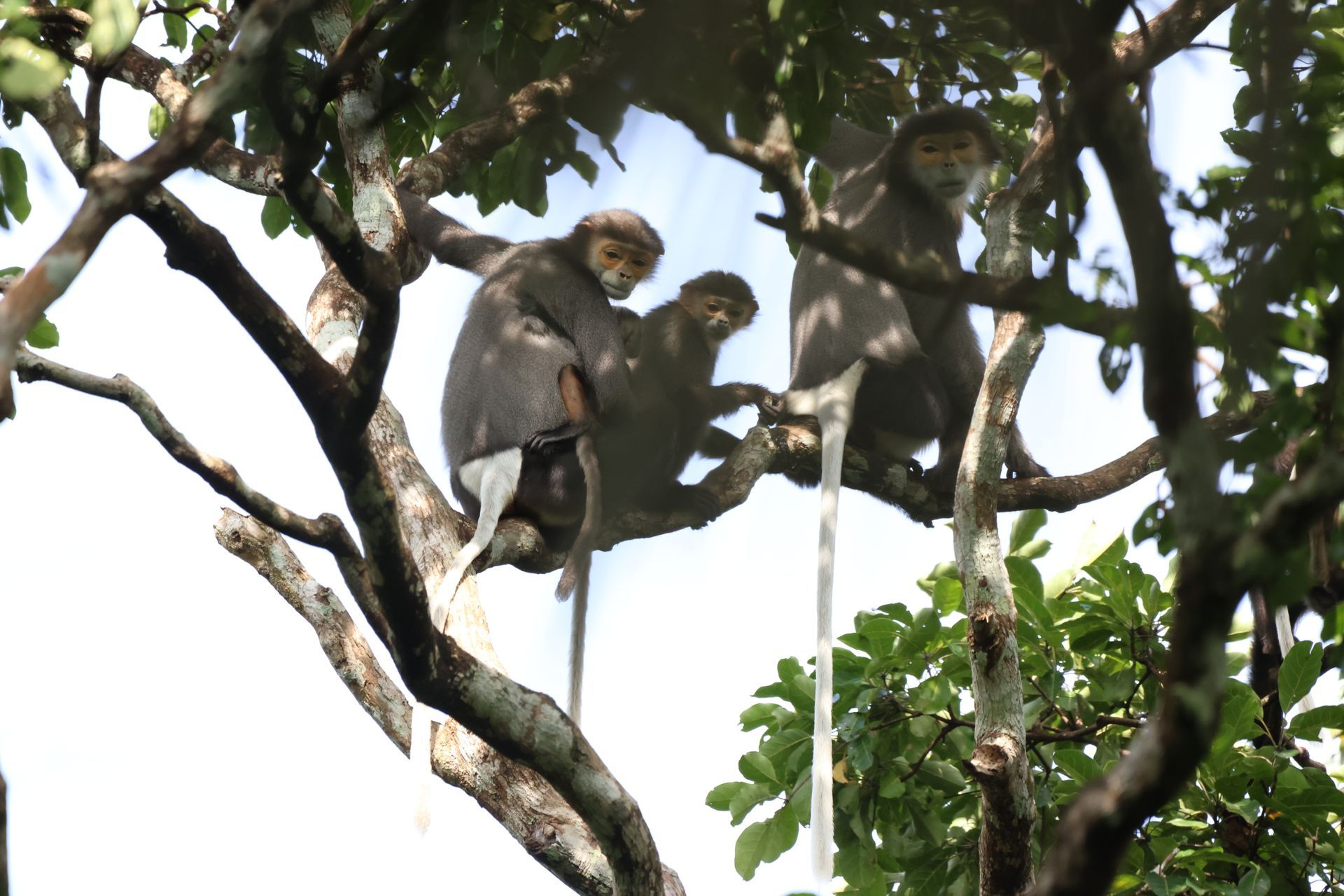
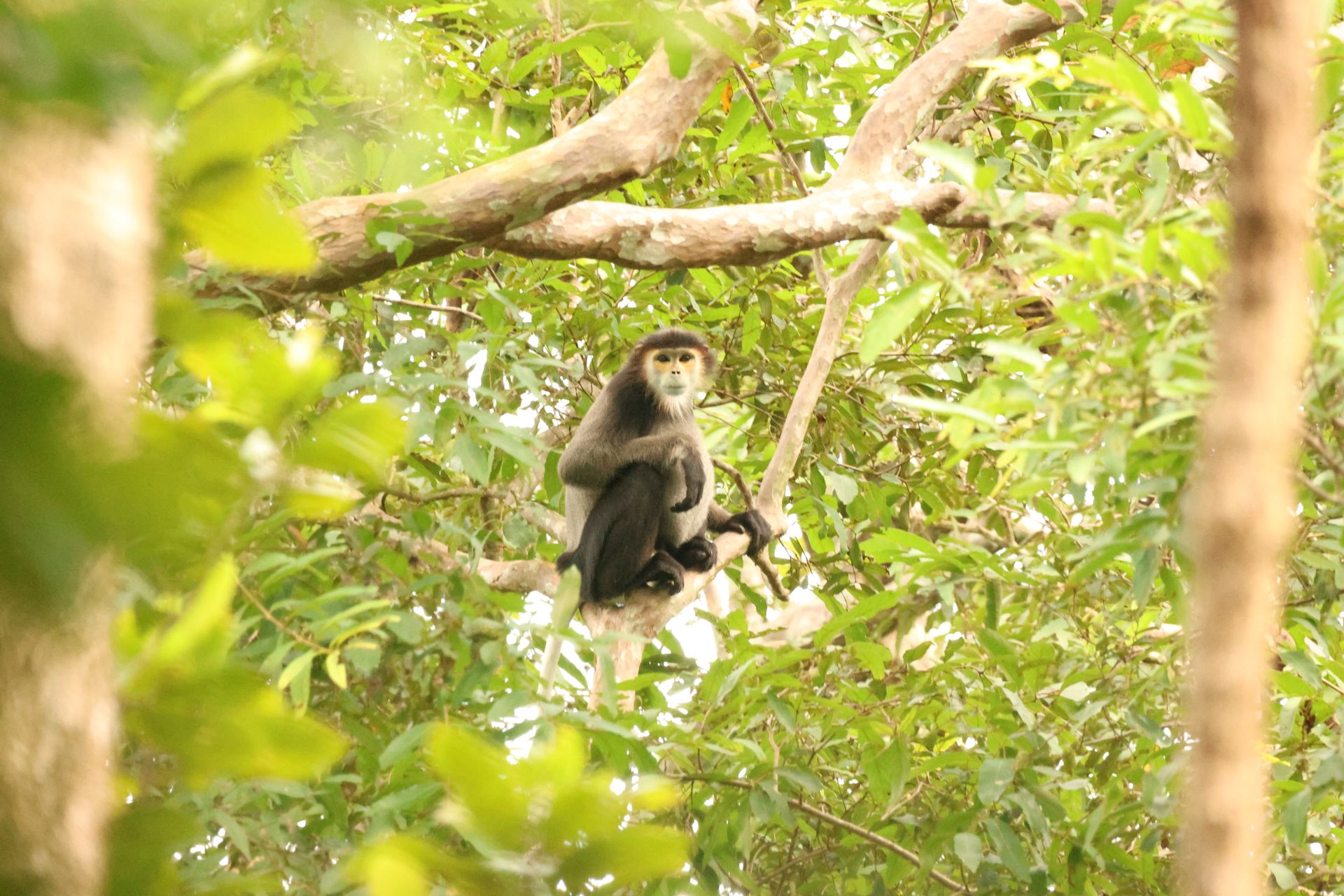
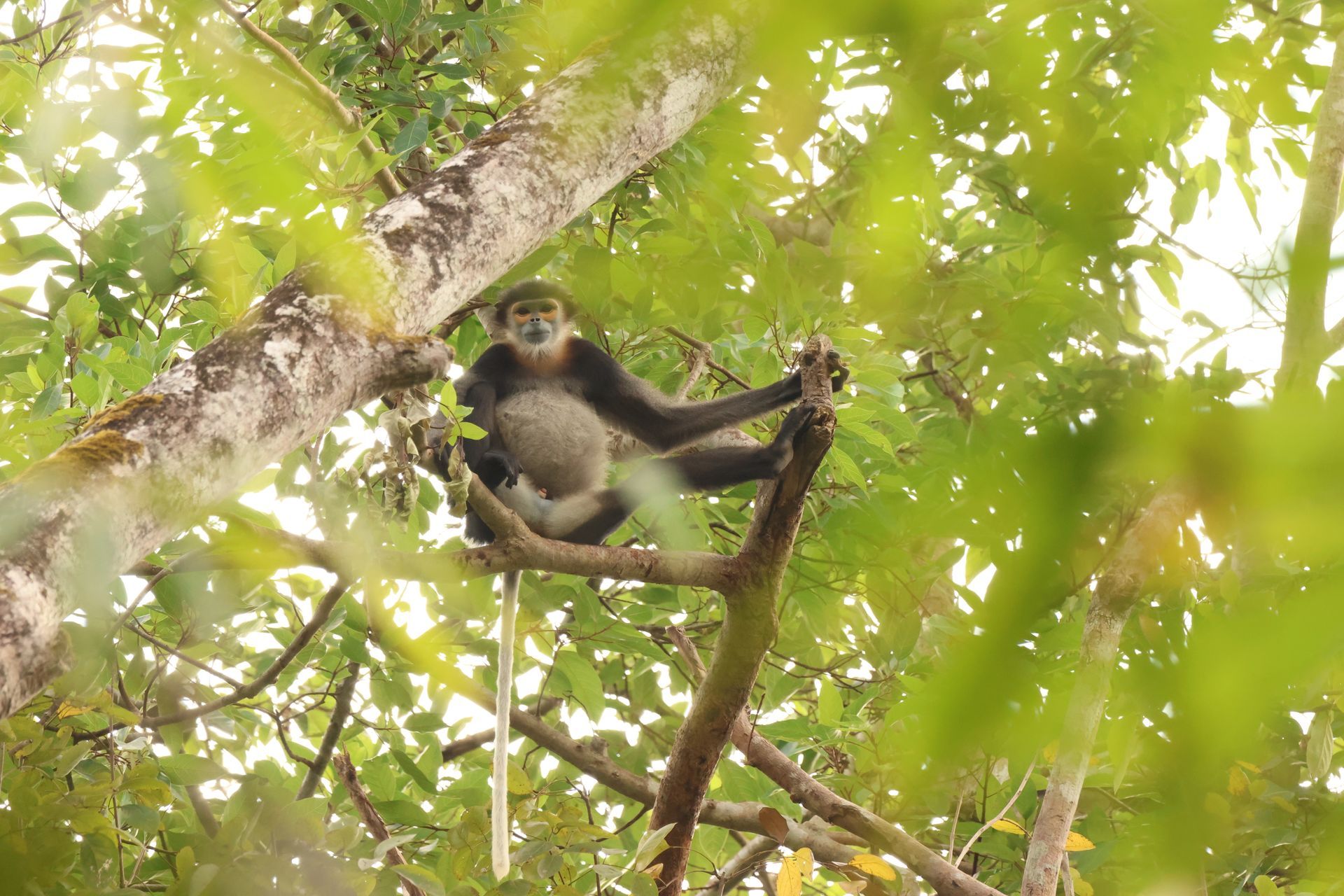
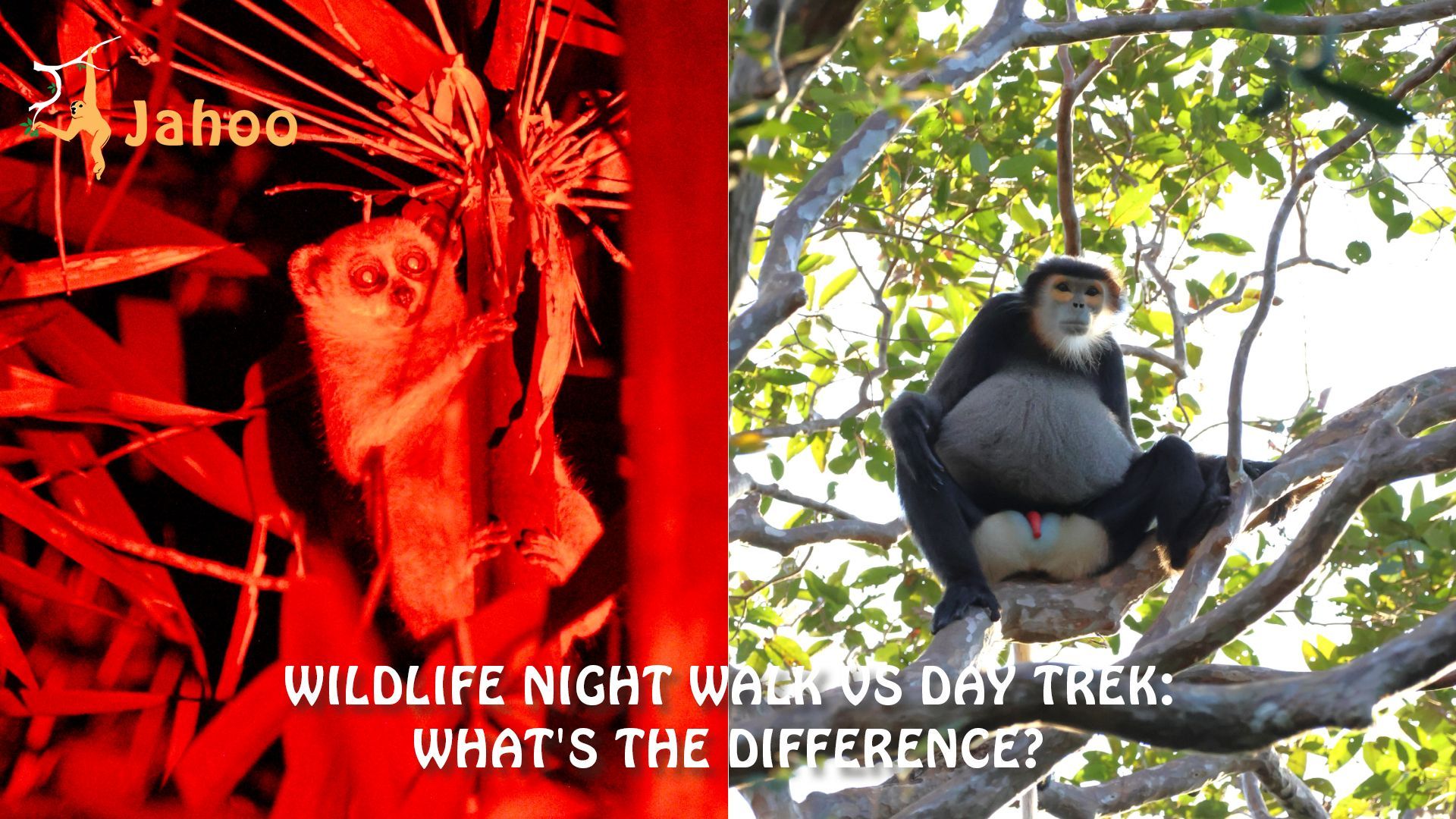
The critically endangered Black-shanked Douc Langur is among Southeast Asia’s most striking primates. Recognisable by its colourful face and contrasting black limbs, this species depends on large, connected forest landscapes.
Keo Seima Wildlife Sanctuary provides critical habitat for douc langurs and has the world's largest population, where they travel and live in a fision fusion society in social groups through the mid to upper canopy. Their presence reflects the ecological importance of preserving intact forest ecosystems.
3. Pygmy Slow Loris
(Xanthonycticebus pygmaeus)
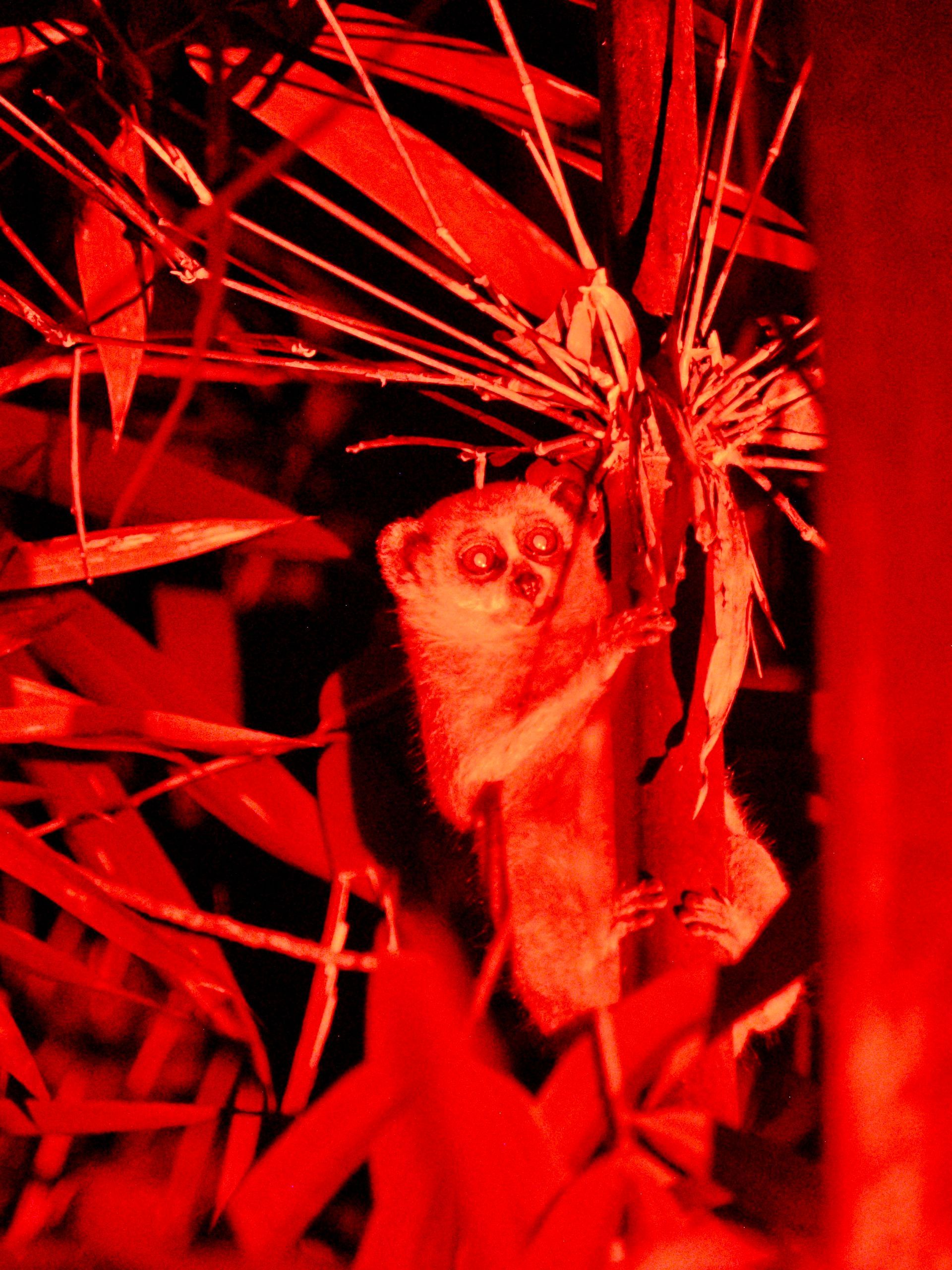
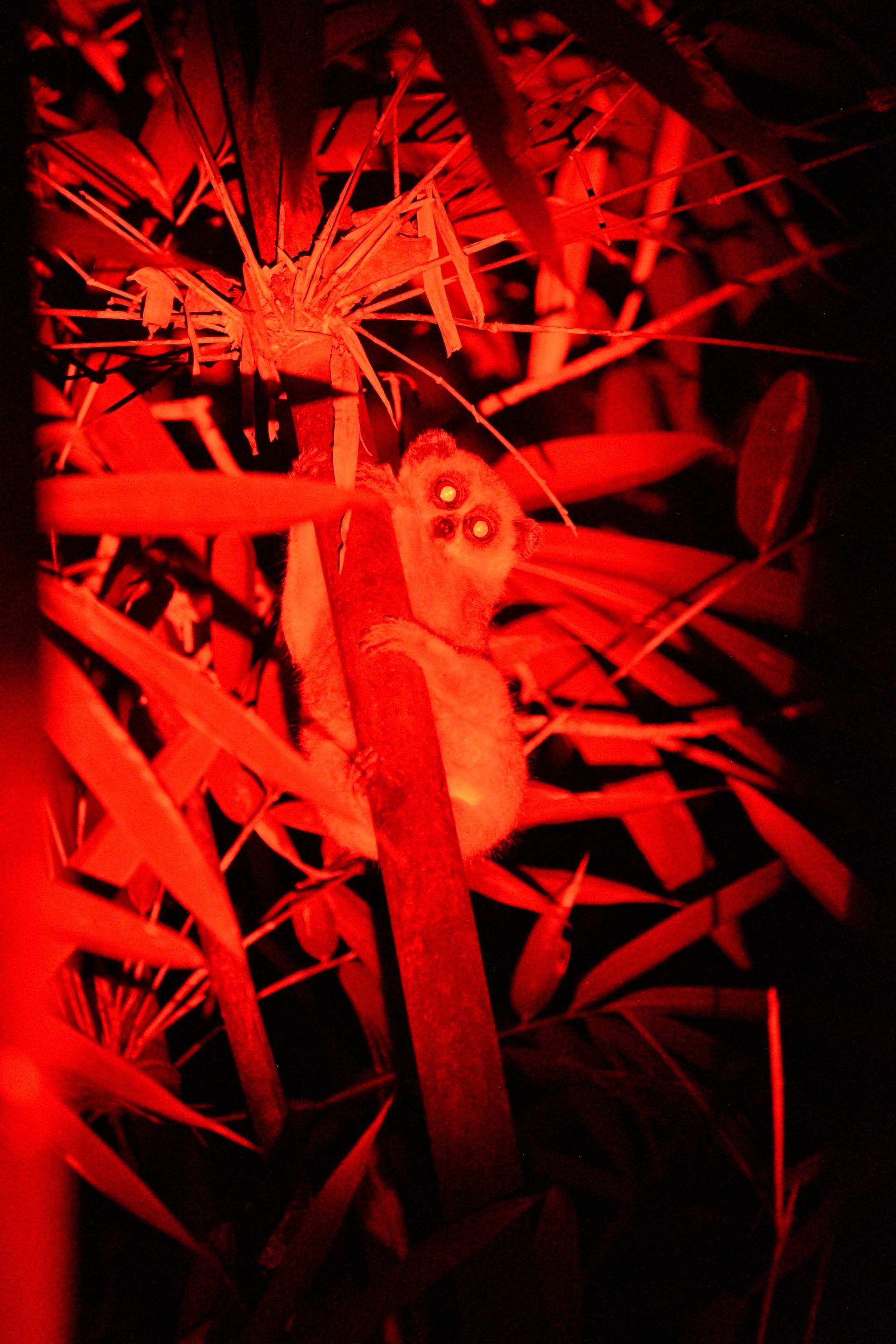
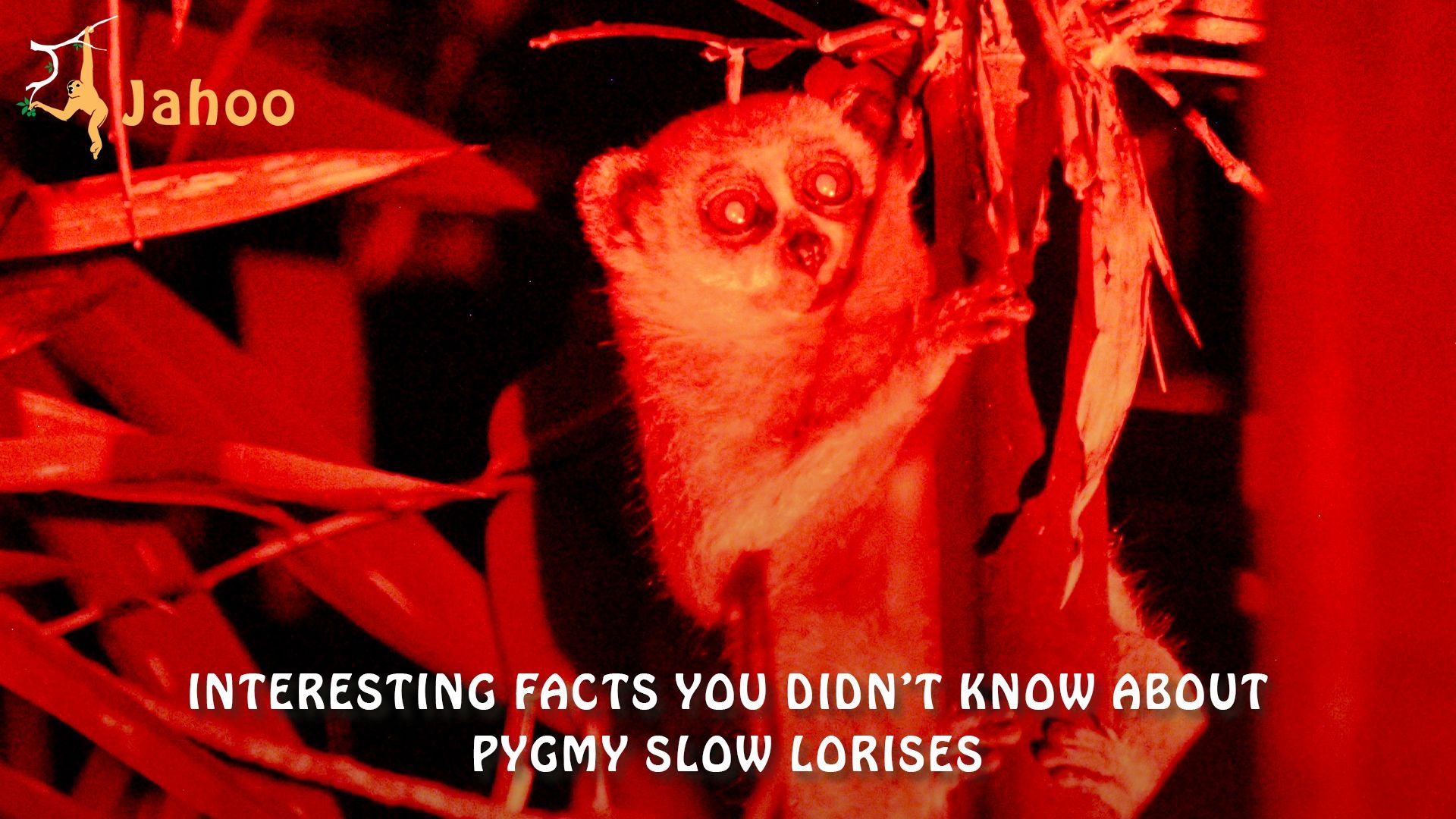
The small and elusive Pygmy Slow Loris is rarely seen during daylight hours. With large reflective eyes and slow, careful movements, this nocturnal primate navigates the forest quietly after sunset.
Jahoo offers guided nocturnal wildlife walks designed to responsibly observe nighttime species. Using a red light and maintaining safe distances, these experiences allow visitors to witness the hidden world of the forest while protecting sensitive wildlife.
4. Long-tailed Macaque
(Macaca fascicularis)
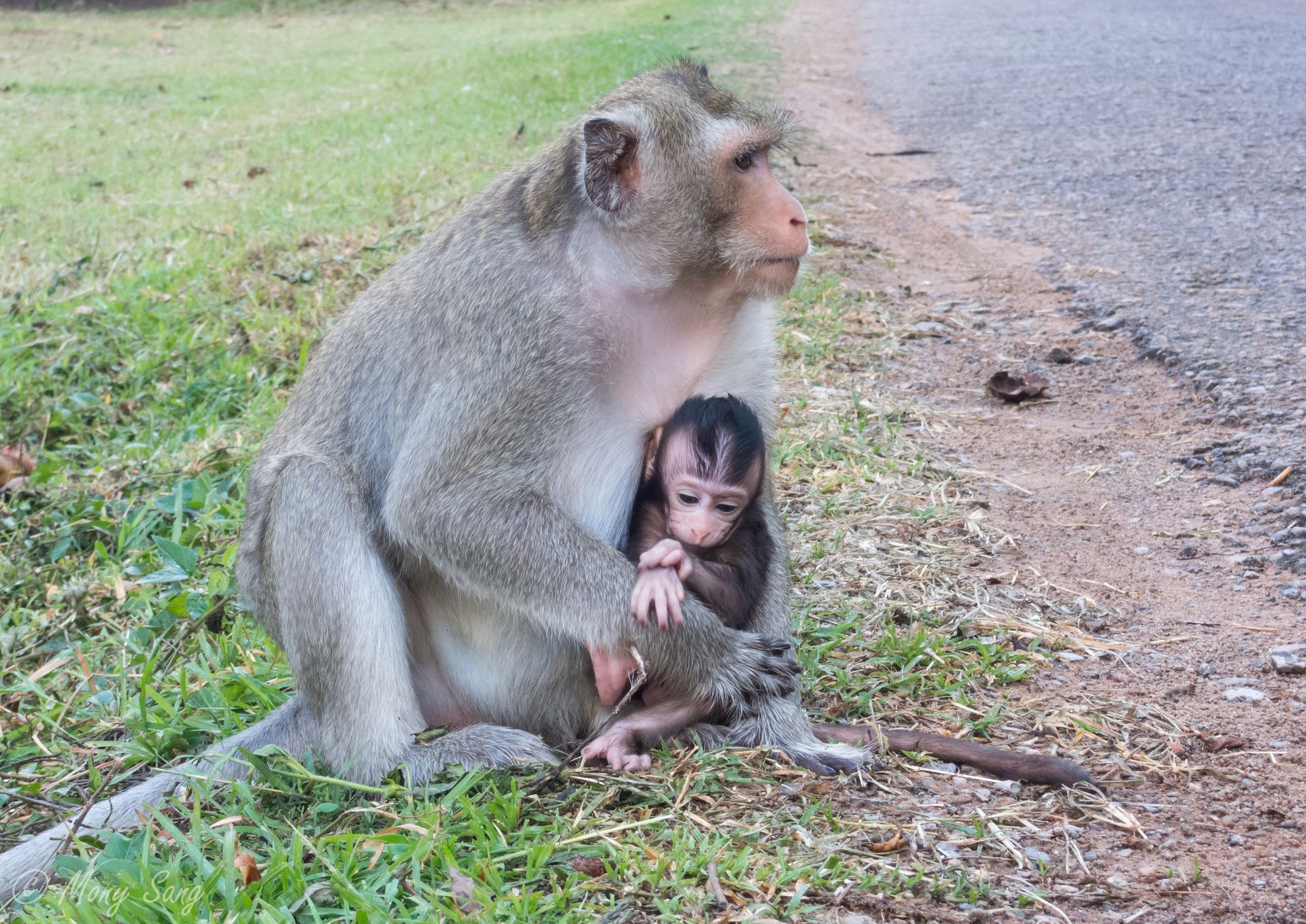
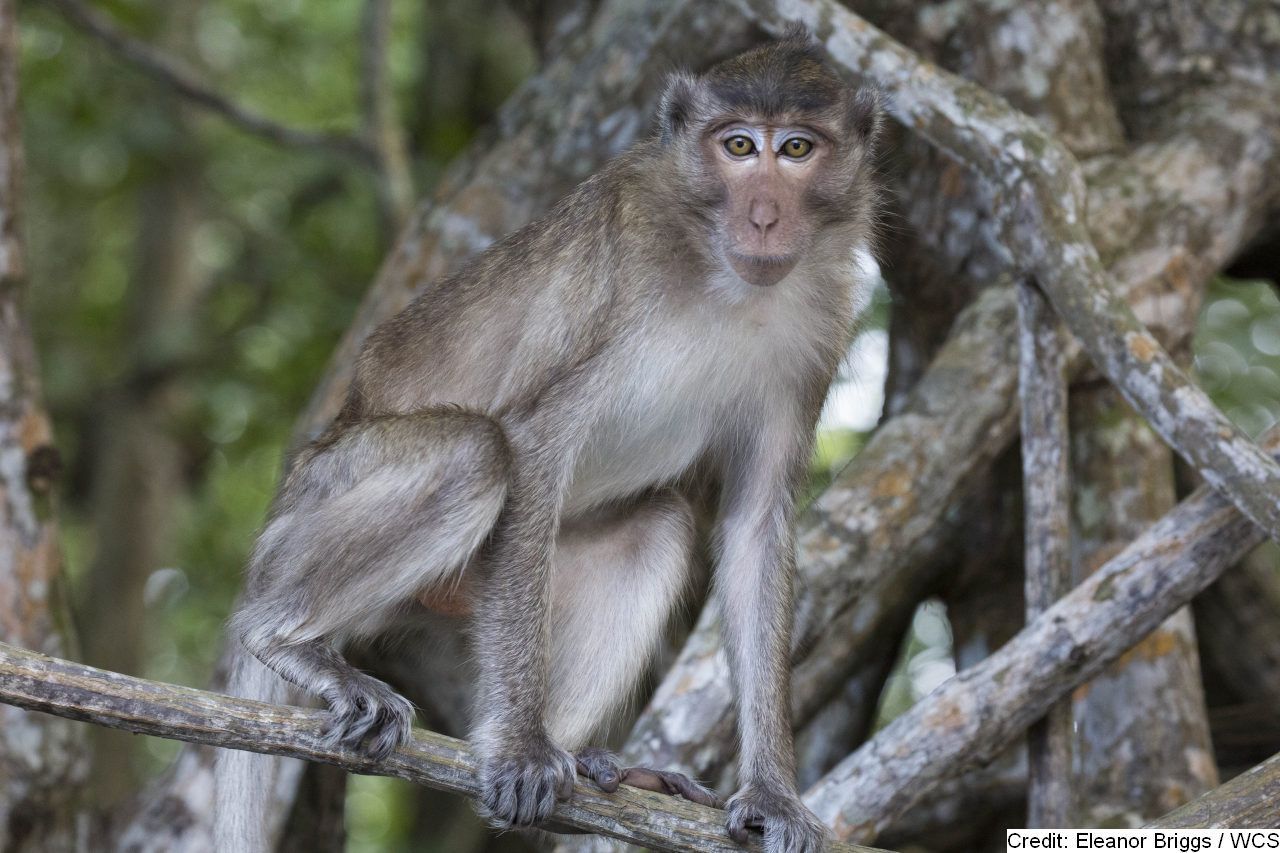
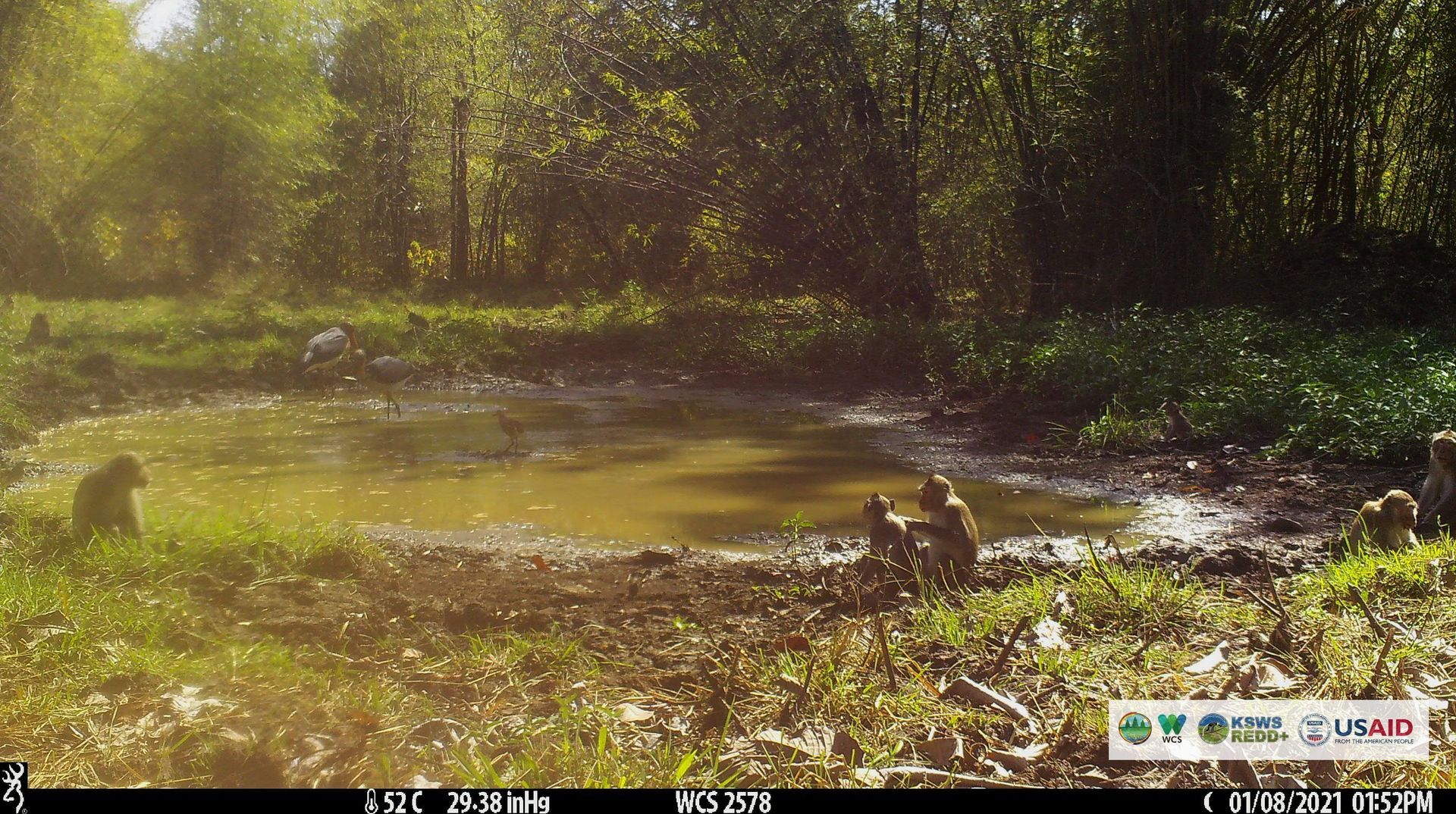
The Long-tailed Macaque is one of the most adaptable primates found in Keo Seima Wildlife Sanctuary. Living in large social groups, these intelligent monkeys spend much of their day foraging for fruits, leaves, seeds, and insects throughout the forest.
Their curiosity and active behaviour can make them one of the easier primate species to observe during a forest walk. Visitors may encounter groups moving through the lower canopy or foraging along forest trails.
Long-tailed Macaques play an important ecological role as seed dispersers, helping maintain the health and regeneration of the forest ecosystem. Their complex social interactions also provide a fascinating insight into the behaviour of wild primates.
5. Northern Pig-tailed Macaque
(Macaca leonina)
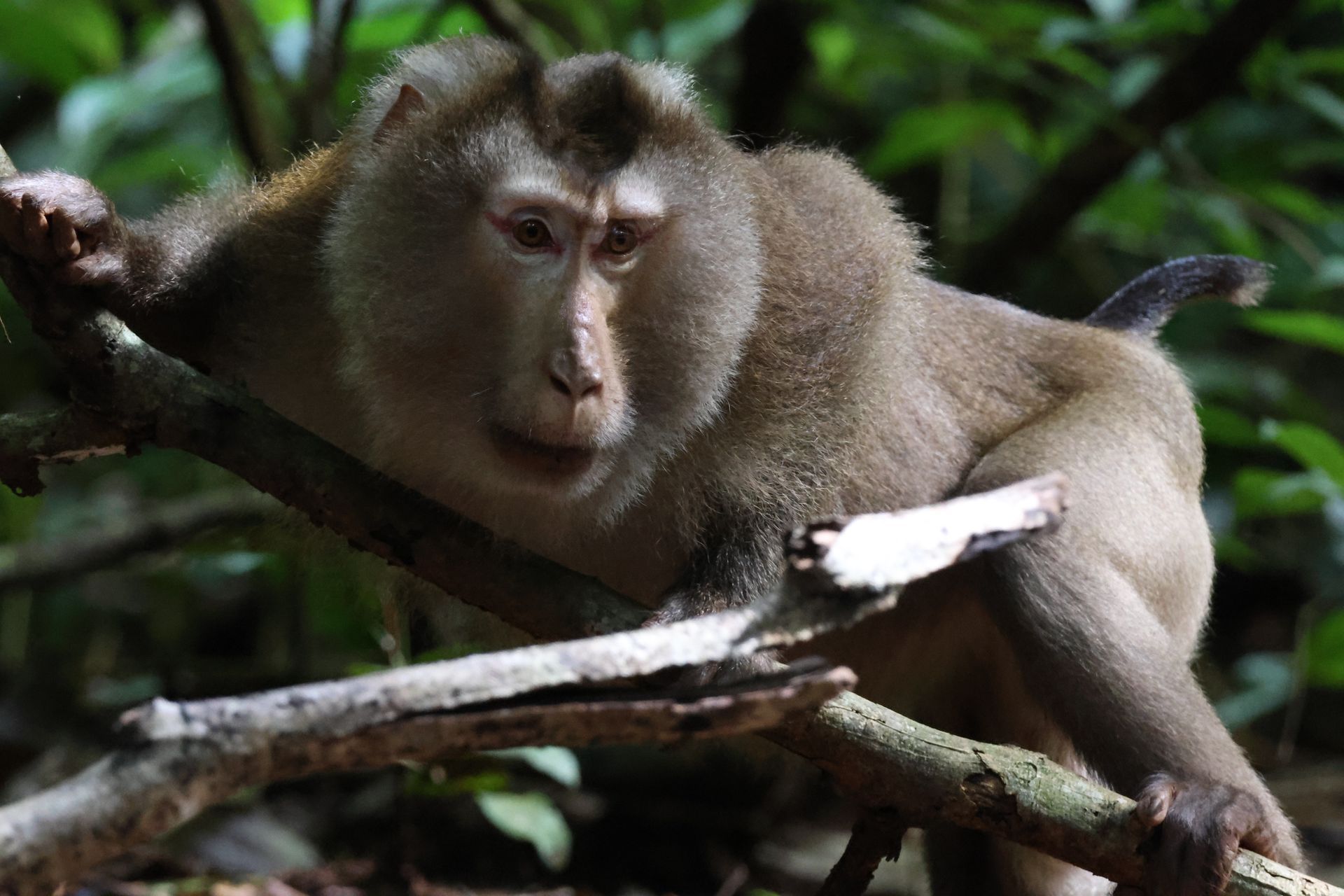
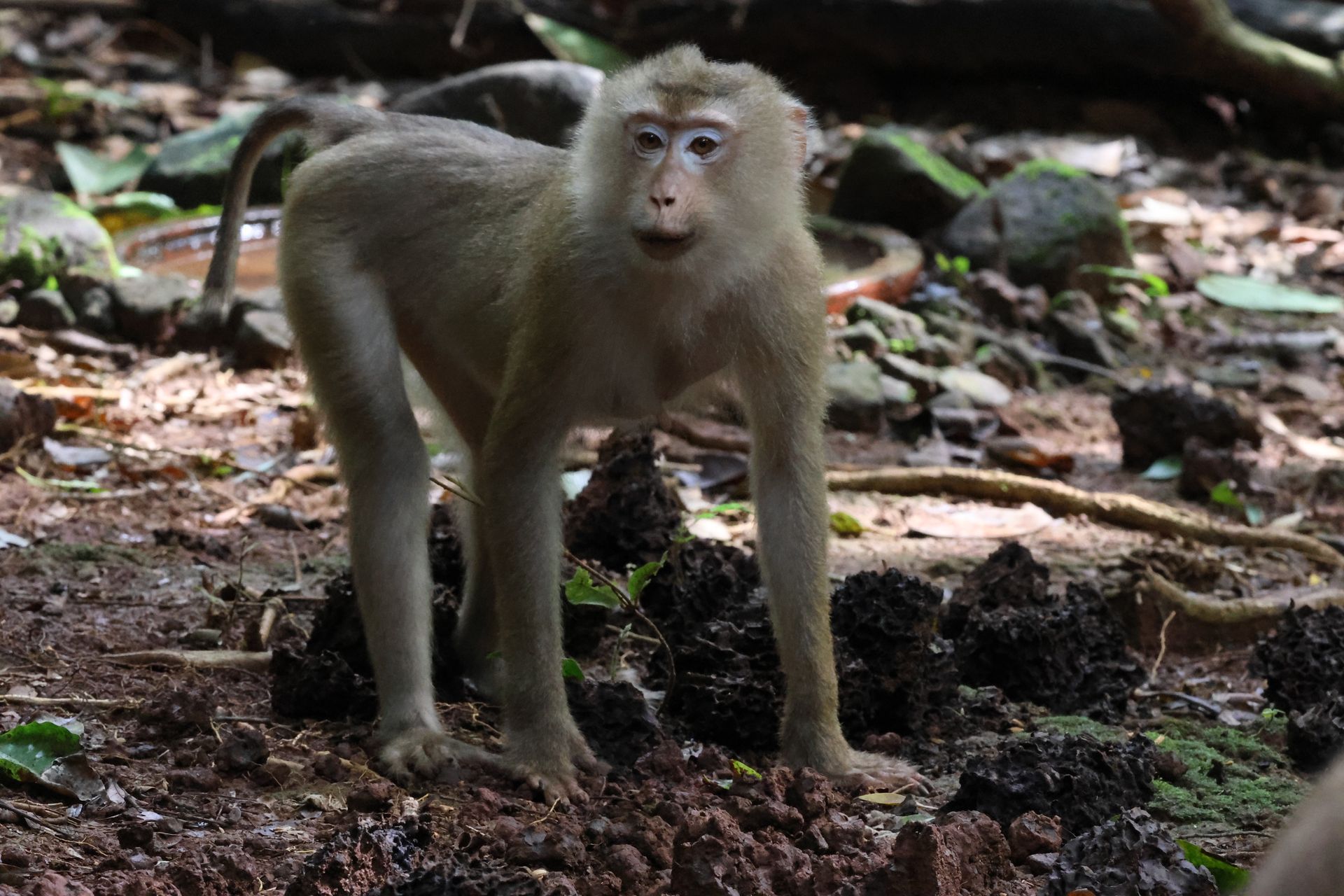
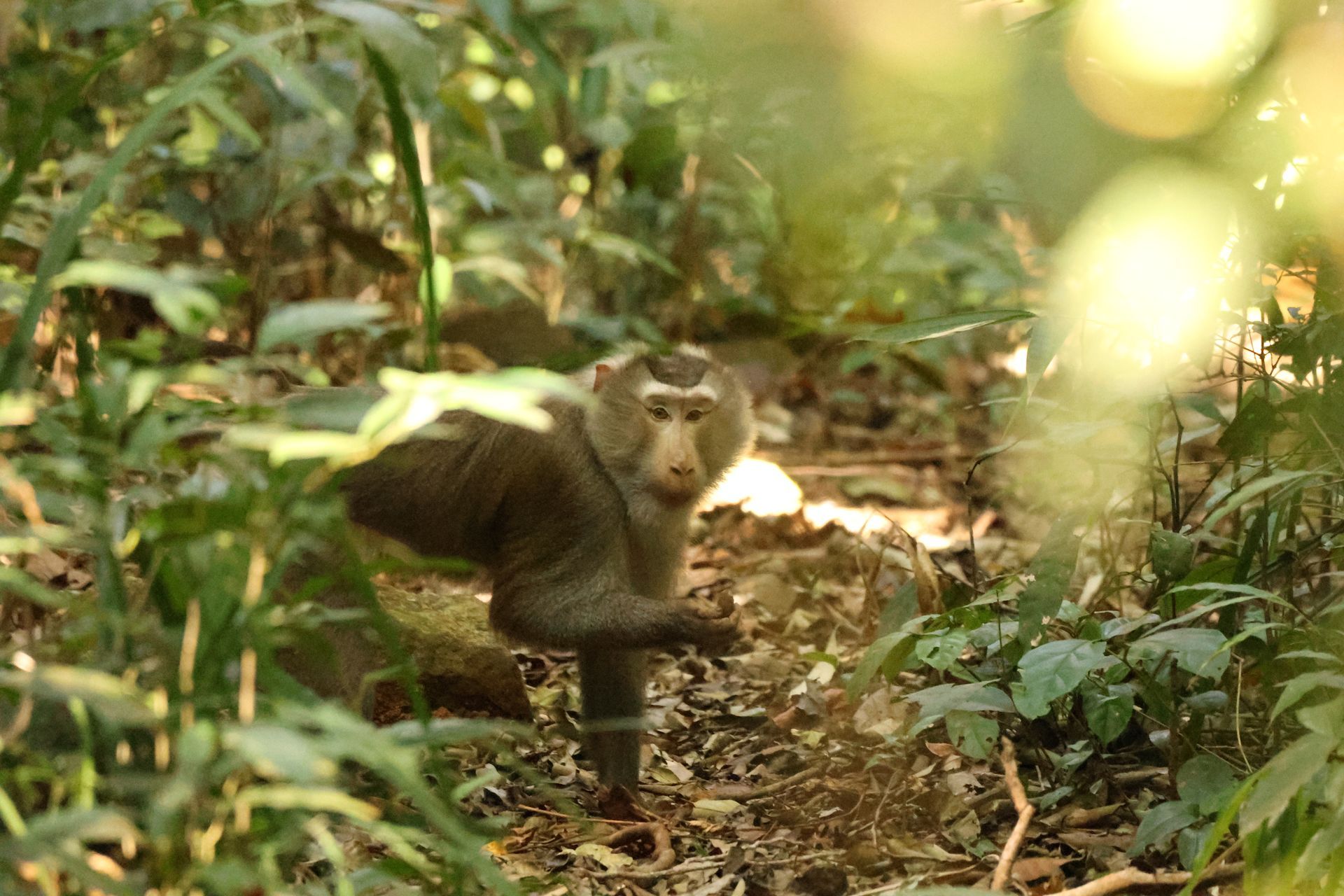
The Northern Pig-tailed Macaque is another primate species found within Keo Seima Wildlife Sanctuary. Larger and more robust than the Long-tailed Macaque, it is recognised by its stocky build and short tail, which resembles that of a pig.
These macaques typically travel in social groups and spend time both on the ground and in the trees. They are highly adaptable foragers, feeding on fruits, seeds, insects, and other forest resources.
Although often less conspicuous than Long-tailed Macaques, Northern Pig-tailed Macaques are an important part of the sanctuary's primate community. Their presence highlights the richness of Keo Seima's forest habitats and reinforces the sanctuary's reputation as one of Cambodia's most important landscapes for primate conservation.