Interesting Facts You Didn’t Know About Great Hornbills
Interesting Facts You Didn’t Know About Great Hornbills
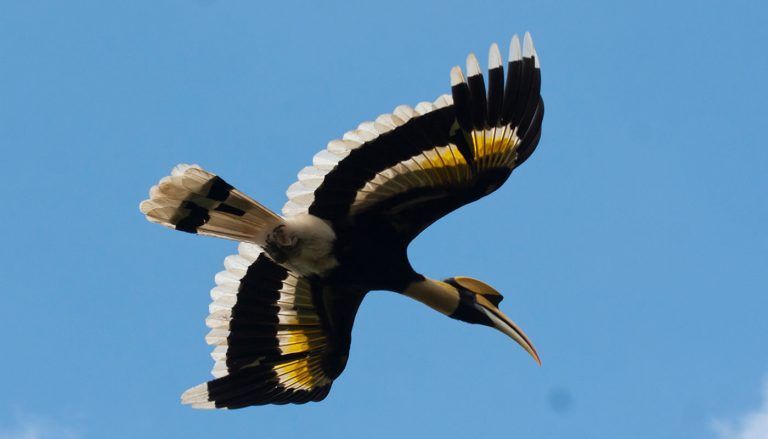
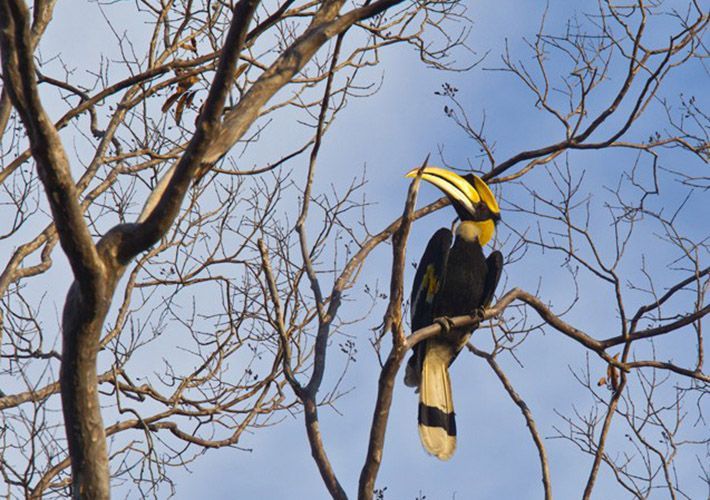
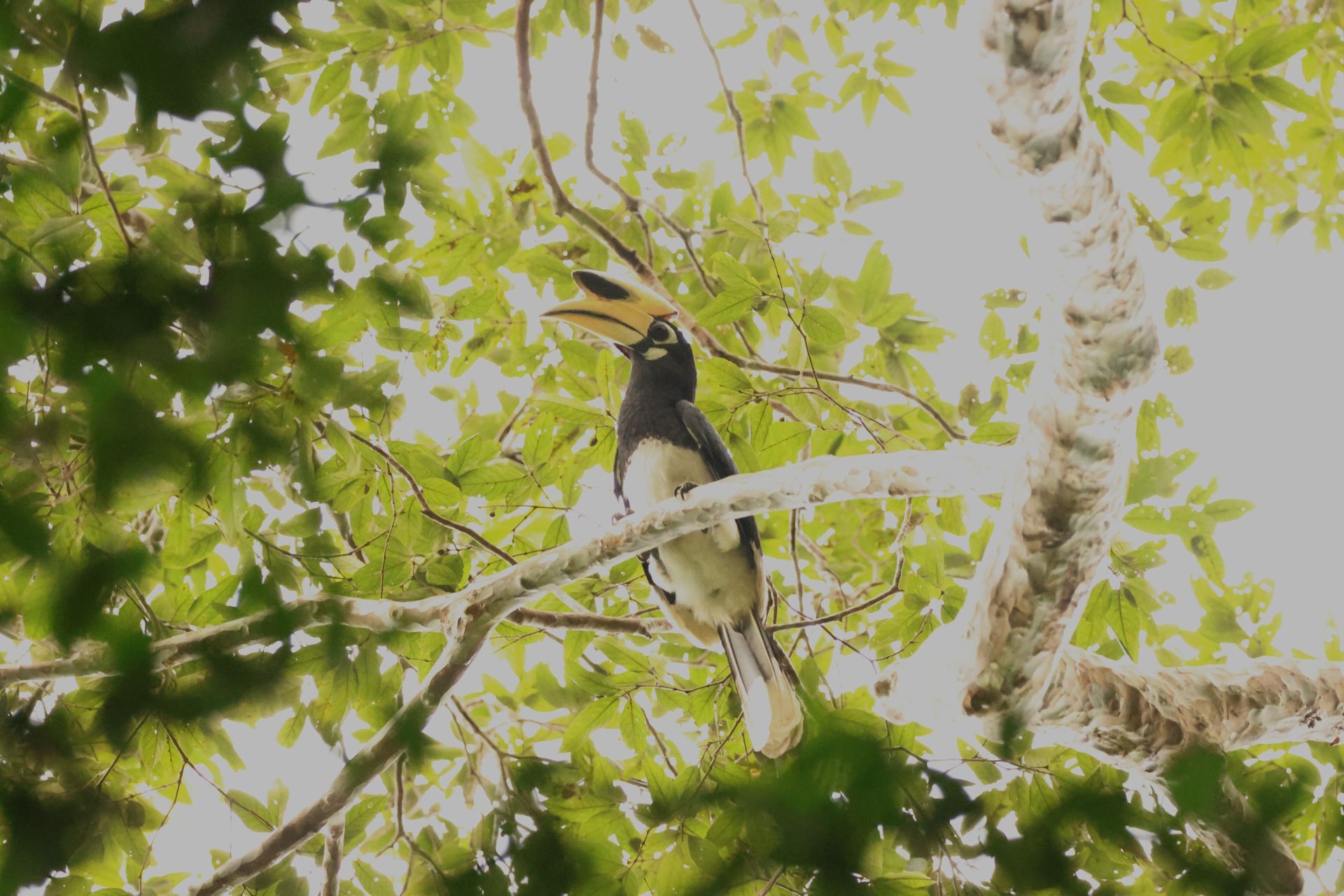
Deep within the forests of Keo Seima Wildlife Sanctuary lives one of Southeast Asia’s most remarkable birds — the Great Hornbill. With its enormous yellow bill, powerful wings, and unforgettable appearance, this species is one of the most iconic birds found in the forests of Cambodia.
Here are some fascinating facts you may not know about these incredible forest giants.
1. Great Hornbills Are Among the Largest Forest Birds in Asia
Great Hornbills can grow over one meter in length with an impressive wingspan. Their size and bright yellow casque make them easy to recognize, even high in the forest canopy.
When flying, the sound of their wings can often be heard from far away, almost like a helicopter moving through the forest.
2. That Large Structure on Their Bill Is Called a Casque
One of the most distinctive features of the Great Hornbill is the large structure on top of its bill, known as a casque.
Scientists believe the casque helps amplify calls, attract mates, and may even help identify age and sex. Despite its large size, the casque is surprisingly lightweight.
3. Females Seal Themselves Inside Tree Nests
Great Hornbills have one of the most unique nesting behaviors in the bird world.
When nesting season begins, the female enters a natural tree cavity and seals herself inside using mud, fruit pulp, and droppings, leaving only a narrow slit open. The male then brings food to the female and chicks for up to three months until they are ready to leave the nest.
This behavior helps protect eggs and chicks from predators.
4. They Play an Important Role in Forest Conservation
Great Hornbills are known as “forest gardeners” because they help spread seeds across large areas of forest.
After eating fruits, they disperse seeds through their droppings, helping new trees grow and supporting healthy forest ecosystems.
Without birds like hornbills, forests would struggle to regenerate naturally.
5. They Can Live for Decades
Great Hornbills are long-lived birds and can survive for many years in healthy forests. Because they reproduce slowly and rely on large old trees for nesting, protecting mature forests is essential for their survival.
6. Great Hornbills Need Large Forests to Survive
These birds depend on extensive forest habitats with tall trees and abundant fruit sources. Habitat loss and deforestation are among the biggest threats facing hornbill populations across Southeast Asia.
Protected landscapes like Keo Seima Wildlife Sanctuary are critical for their future.
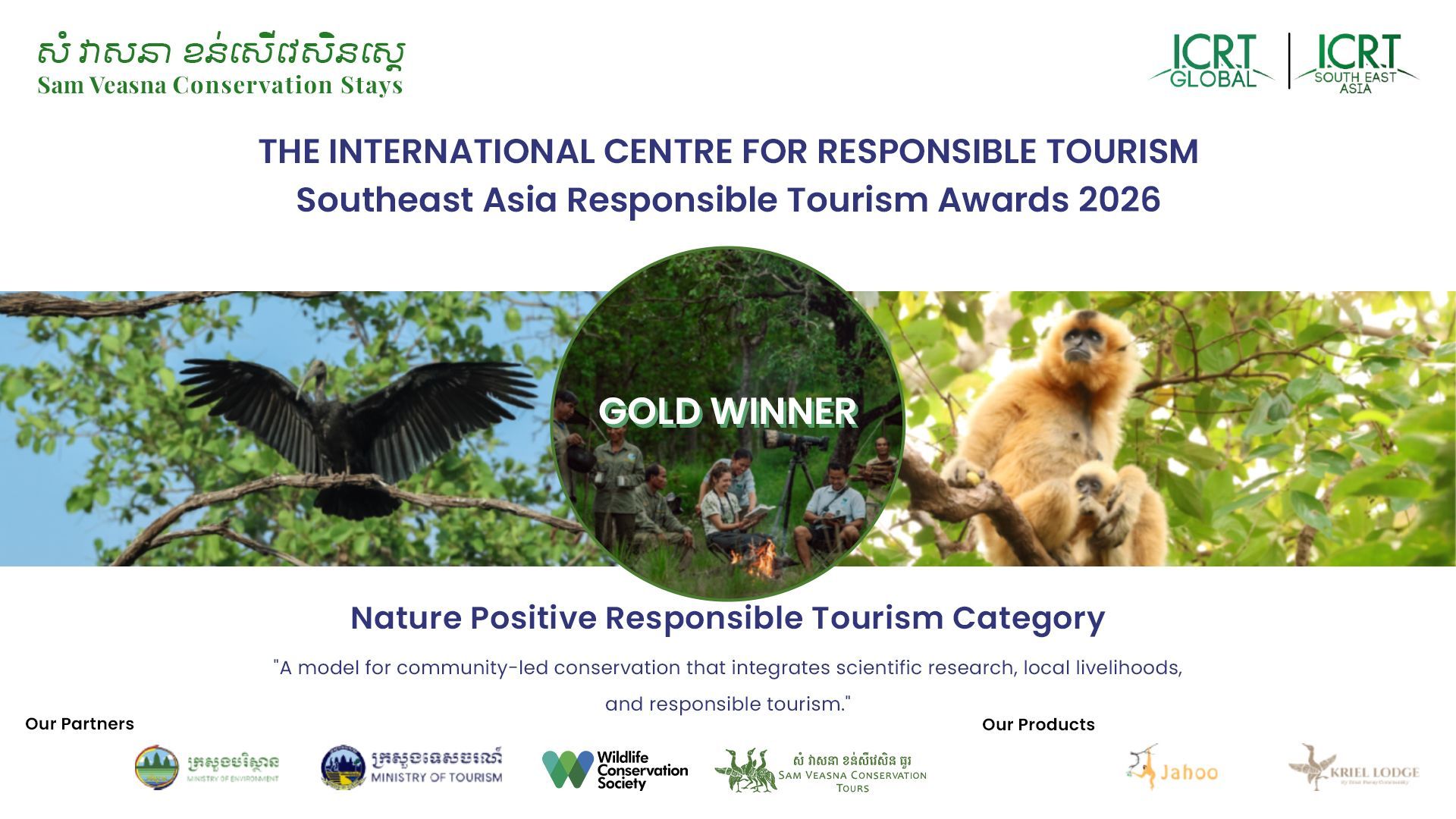
Experience Cambodia’s Wildlife with Jahoo
Jahoo offers community-based ecotourism experiences in and around Keo Seima Wildlife Sanctuary, where visitors may have opportunities to experience Cambodia’s incredible birdlife while supporting conservation and local Bunong communities.