What Is Responsible Travel? A Guide to Meaningful and Sustainable Tourism
What Is Responsible Travel?
A Guide to Meaningful and Sustainable Tourism


Travel is more than visiting a new place, it is a chance to make a positive impact. Responsible travel means exploring the world in a way that respects local communities, protects nature, and supports the people who call a destination home.
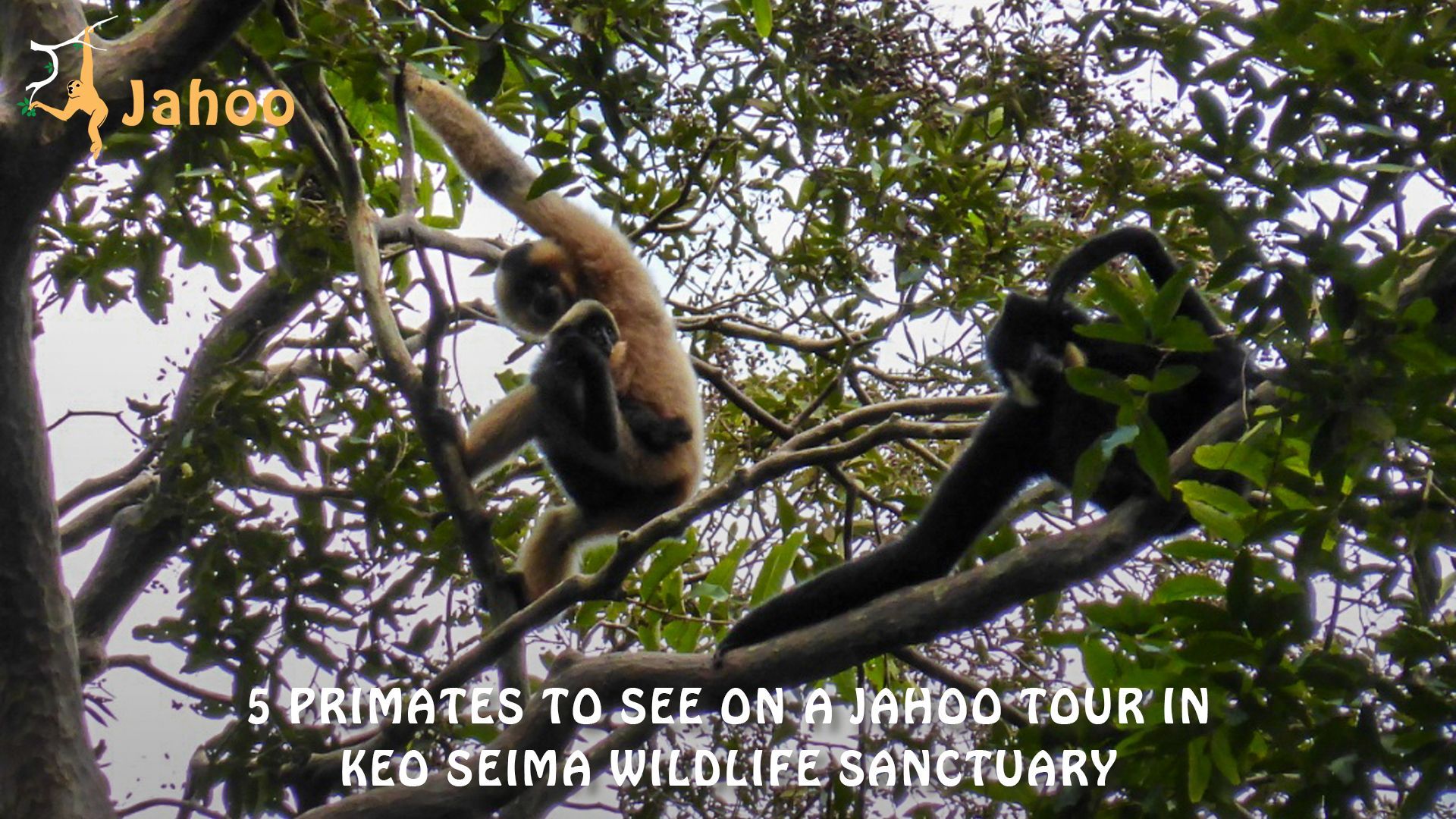
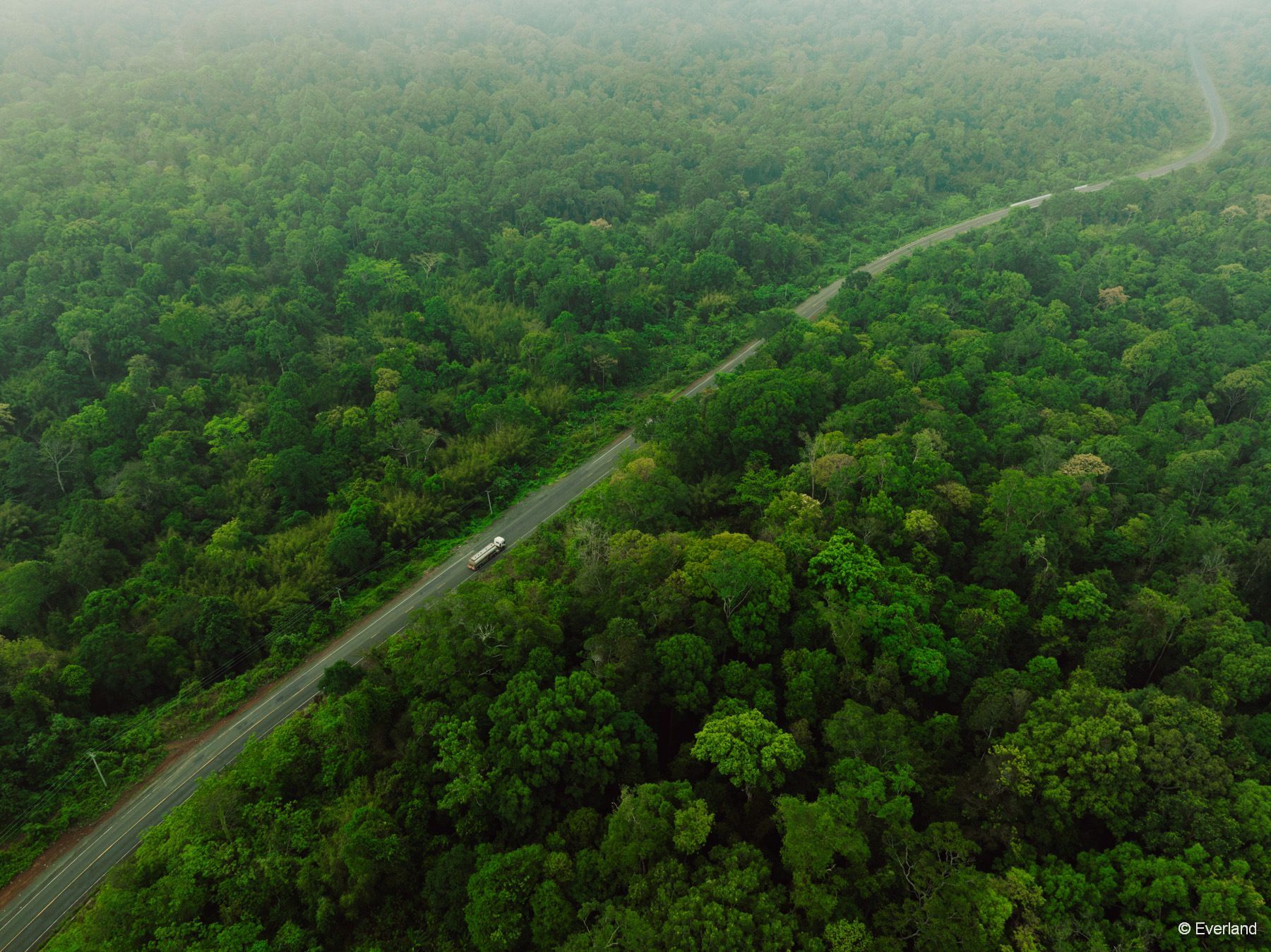
Whether you are trekking through Mondulkiri, visiting Indigenous Bunong villages, or searching for wildlife in Keo Seima Wildlife Sanctuary, the choices you make as a traveler can help preserve these places for future generations.
What Does Responsible Travel Mean?
Responsible travel is about understanding that tourism has an impact. Instead of simply consuming experiences, responsible travelers seek to:
- Respect local cultures and traditions
- Minimize environmental harm
- Support local livelihoods
- Protect wildlife and natural habitats
- Travel with curiosity, humility, and purpose
In short, responsible travel asks one simple question:
How can my visit leave a positive impact?
Why Responsible Travel Matters
Tourism can bring important benefits, but it can also create pressure on ecosystems, wildlife, and communities when it is not managed carefully.
Responsible travel helps ensure that tourism contributes to:
- Conservation of forests and biodiversity
- Preservation of Indigenous knowledge and culture
- Fair economic opportunities for local people
- Greater understanding between visitors and host communities
When done thoughtfully, travel becomes a tool for protecting what makes a destination unique.
Principles of Responsible Travel
Respect People and Culture
Learn about local customs and the local language even if it is just a few words, ask permission before taking photographs, and approach every encounter with openness and respect.
Protect Nature
Stay on designated trails, reduce waste, and avoid disturbing or handling wildlife.
When participating in wildlife experiences, ask yourself an important question:
"Is this activity being offered at the expense of wildlife?"
Responsible wildlife tourism should prioritise the welfare of animals and the protection of their natural habitats.
A useful principle to remember is:
"Leave nothing but footprints. Take nothing but photographs."
Support Local Communities
Choose locally owned businesses and community-based tourism experiences that ensure tourism income remains within the destination.
Don't be afraid to ask questions such as:
- Where does the money from ticket sales go?
- How many local people are employed by the company?
- How does this experience benefit the local community?
Responsible tourism operators should be able to clearly explain how their activities support local livelihoods and contribute to the long-term wellbeing of the destination.
Reduce Your Environmental Footprint
Carry a reusable water bottle, avoid single-use plastics, and conserve water and energy whenever possible.
Travel with Intention
Seek meaningful experiences that deepen your understanding of the place and the people who live there.
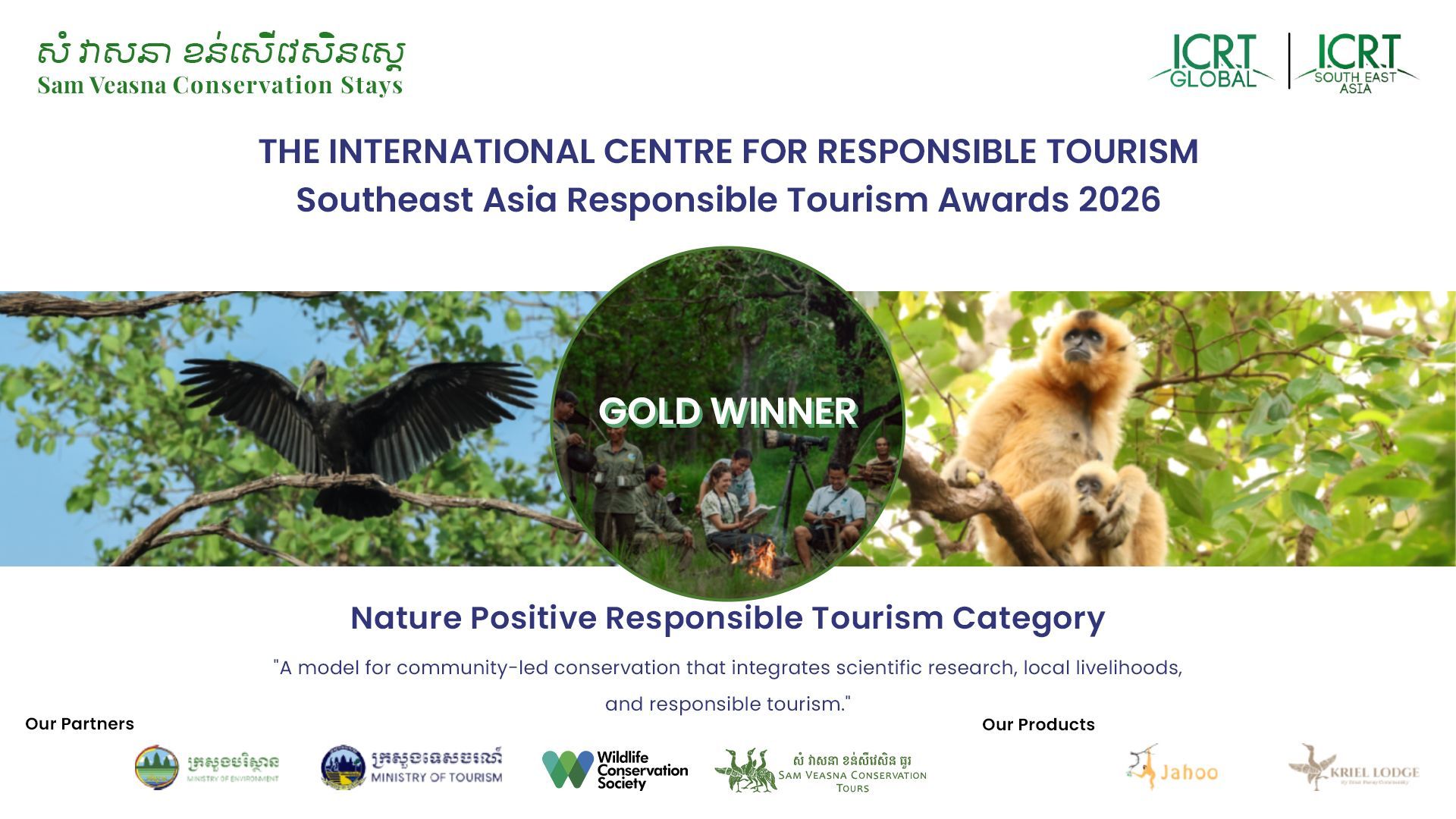
Experience Responsible Travel with Jahoo
Jahoo offers community-based tours in and around Keo Seima Wildlife Sanctuary, guided by Bunong community members. Each trip combines wildlife, culture, and conservation, ensuring your visit contributes directly to local livelihoods and forest protection.