
How to Get to Keo Seima Wildlife Sanctuary from Phnom Penh
March 24, 2026
How to Get to Jahoo in Keo Seima Wildlife Sanctuary from Phnom Penh
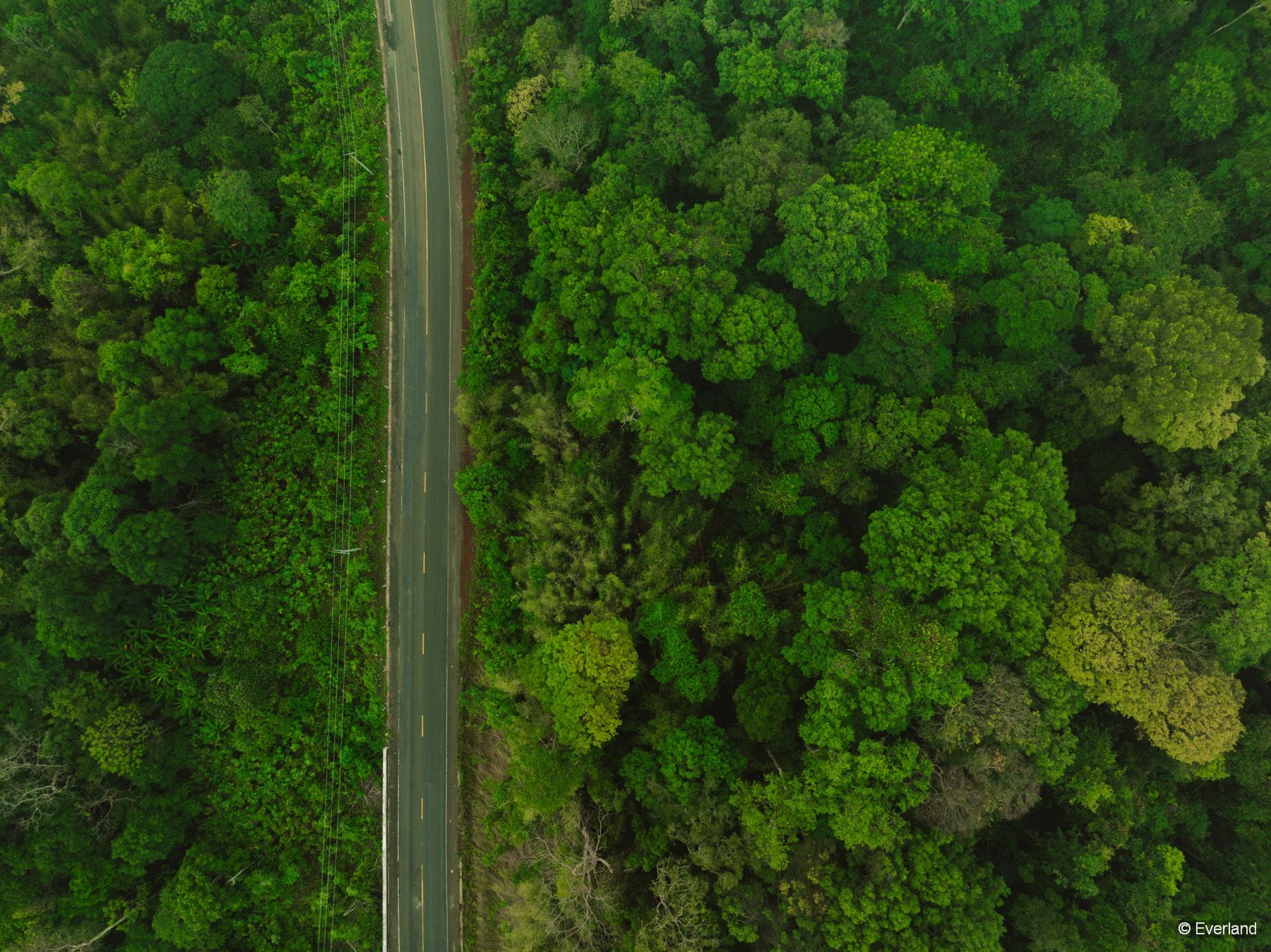
Overview of the Journey
Keo Seima Wildlife Sanctuary is located in Mondulkiri Province in eastern Cambodia. For most visitors, the journey begins in Phnom Penh, with arrivals through
Techo International Airport, Cambodia’s primary gateway for international travel.
The distance from Phnom Penh City to the Keo Seima area is approximately 350–400 km, depending on the route taken. Travel time typically ranges from 6 to 8 hours, influenced by road conditions, weather, and transport type.
Access to the sanctuary is primarily by road, with routes connecting toward the Keo Seima area or via Sen Monorom, the provincial capital of Mondulkiri.
Route Options and Travel Time
There is one commonly used route from Phnom Penh to Mondulkiri, which follows National Road 76.
This is the main and most reliable route used by private transfers, vans, and bus companies. Road conditions are generally stable throughout the year, and seasonal rain does not significantly affect accessibility.
The journey distance is approximately 350–400 km, with a typical travel time of 6–7 hours, remaining relatively consistent year-round.
Transport Options
Several transport options are available for reaching
Keo Seima Wildlife Sanctuary and Jahoo.
Private car transfers are the most flexible and commonly used option. They allow for direct travel to Jahoo, adjustable departure times, and optional stops along the way. This is the preferred choice for visitors booking experiences in advance.
Shared vans and buses operate between Phnom Penh and Sen Monorom, with services provided by companies such as
Vireak Buntham Express
or and
Kim Seng Express. These options are more budget-friendly, follow fixed schedules, and typically make only a few stops along the route.
Motorbike travel is possible but generally not recommended due to the long distance and safety considerations.
Seasonal Considerations for Travel
Travel conditions are generally stable throughout the year.
While Cambodia has distinct dry and rainy seasons, National Road 76 remains accessible year-round, and travel times typically stay within the 6–7 hour range.
During periods of heavy rain, minor delays may occur, but they do not significantly impact overall accessibility.
Visitors are still advised to confirm departure times in advance.
Arrival and Access to Jahoo Experiences
Most journeys from Phnom Penh lead toward the Keo Seima area, where Jahoo is located, though access depends on the chosen mode of transport.
Visitors have two main options depending on their travel preference.
The first option is to travel directly from Phnom Penh to Jahoo by private car transfer. This allows for a more efficient journey, with arrival directly at the site and immediate access to the surrounding forest area.
The second option is to travel to Sen Monorom using shared vans or buses. From there, Jahoo can arrange a scheduled pick-up the following morning at any chosen guesthouse or hotel within Sen Monorom, transferring guests from town into Keo Seima Wildlife Sanctuary.
Both options are commonly used. Direct travel by private transfer prioritises convenience, while traveling via Sen Monorom offers a more accessible option for those using shared transport and a more gradual transition into the forest environment.
Planning Your Trip
When planning a trip to Keo Seima Wildlife Sanctuary, it is important to consider travel time, transport type, and seasonal conditions.
Early departure from Phnom Penh is recommended to ensure arrival in the Keo Seima area during daylight hours. Booking transport in advance, particularly private transfers, can help ensure a more reliable and direct journey.
Reaching Keo Seima Wildlife Sanctuary from Phnom Penh requires a full day of travel, but access is straightforward with multiple transport options available.
With proper planning, visitors can choose a route and travel method that matches their schedule, budget, and preferred level of flexibility.
Whether arriving directly at Jahoo or via Sen Monorom, the journey connects Phnom Penh with one of Cambodia’s most significant forest landscapes.
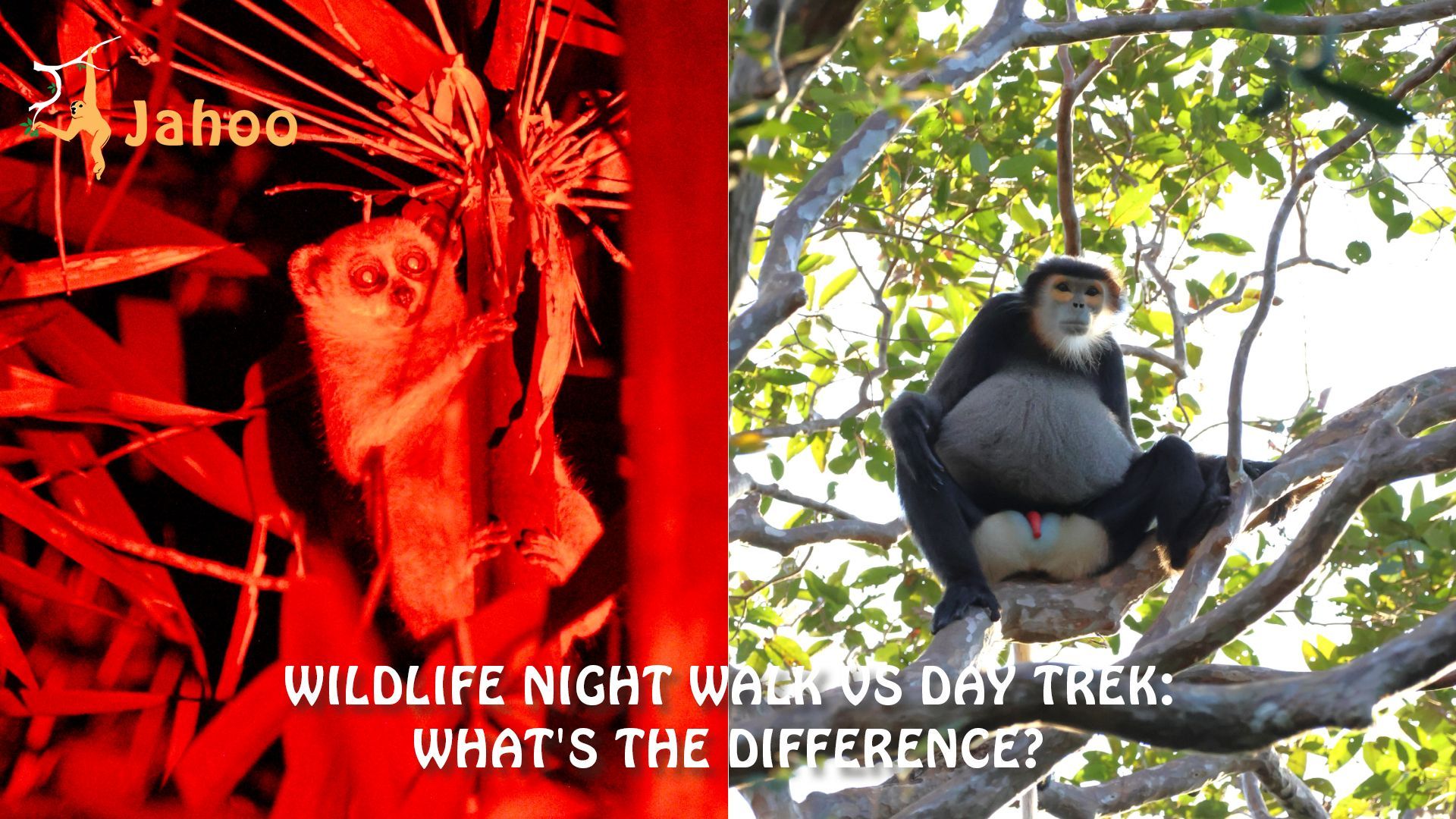
Compare a wildlife night walk and a day trek to discover how each reveals a different side of Cambodia's rainforest and wildlife.
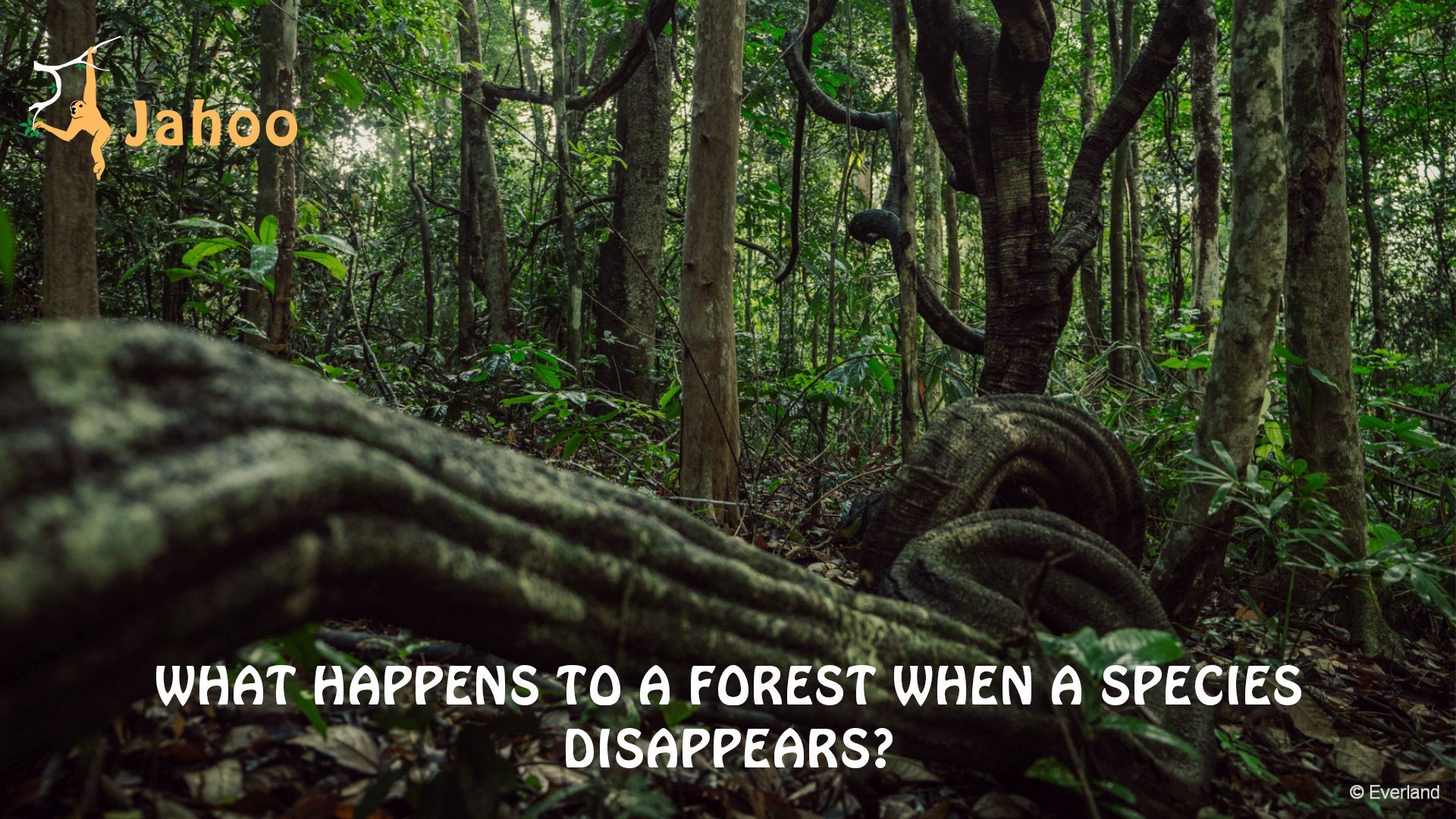
Discover how the loss of a single species can affect an entire forest ecosystem, from wildlife populations to forest regeneration.
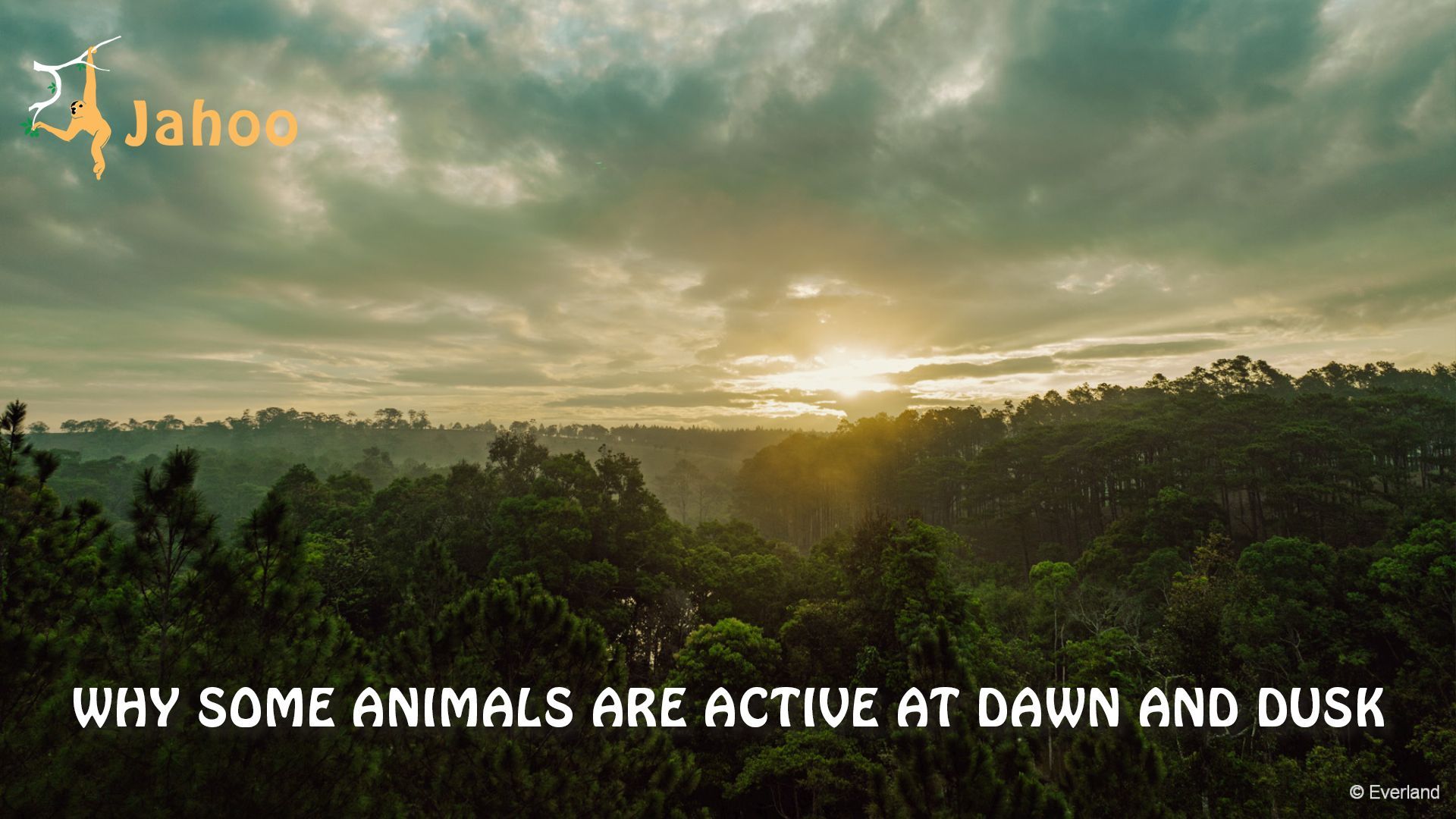
Learn why many animals are most active at dawn and dusk, and how these periods offer some of the best wildlife viewing opportunities.
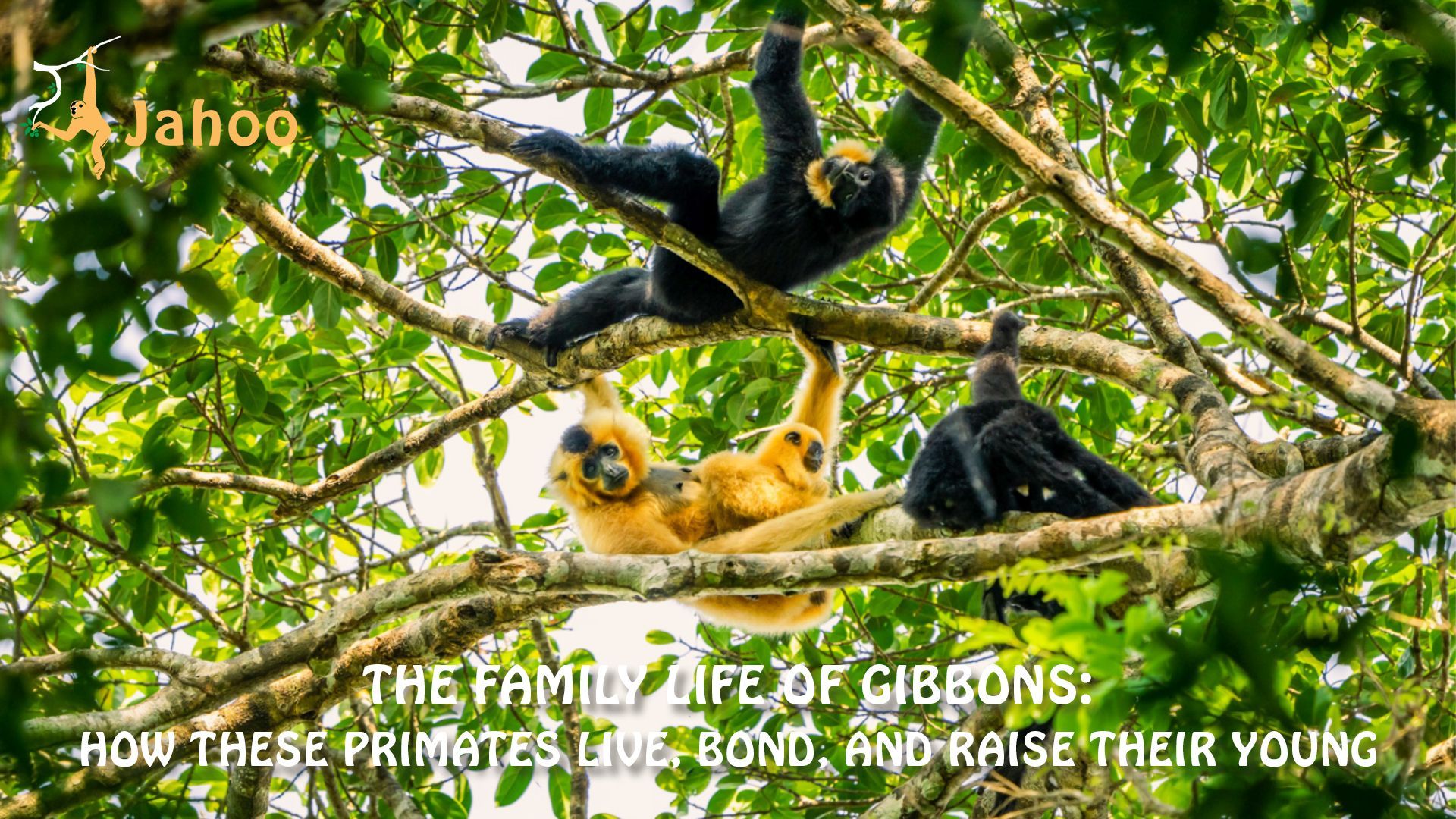
Discover how gibbons form family groups, raise their young, and maintain lifelong bonds in the forests of Southeast Asia.
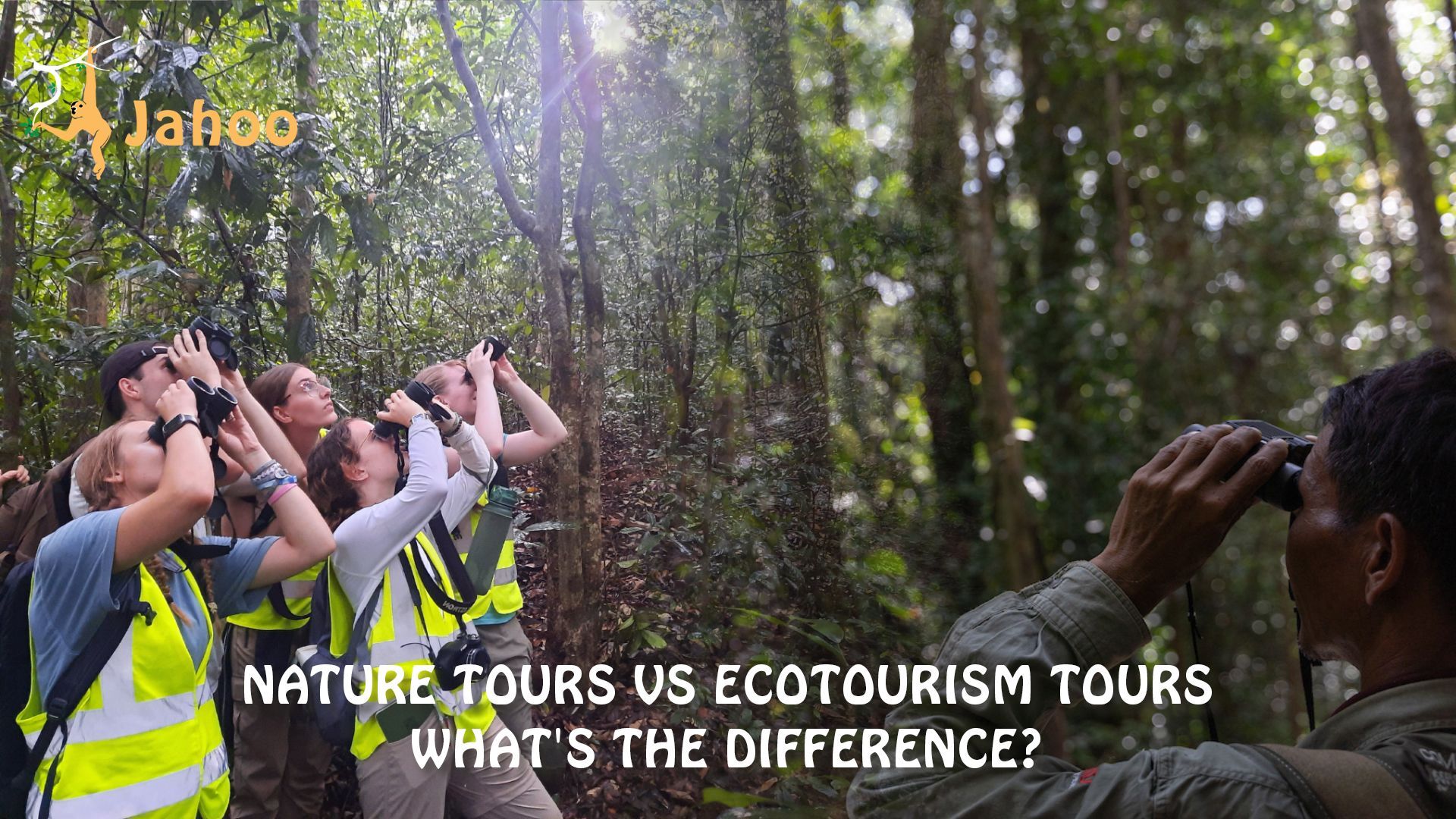
Nature tours explore the outdoors. Ecotourism goes further by supporting conservation and local communities.
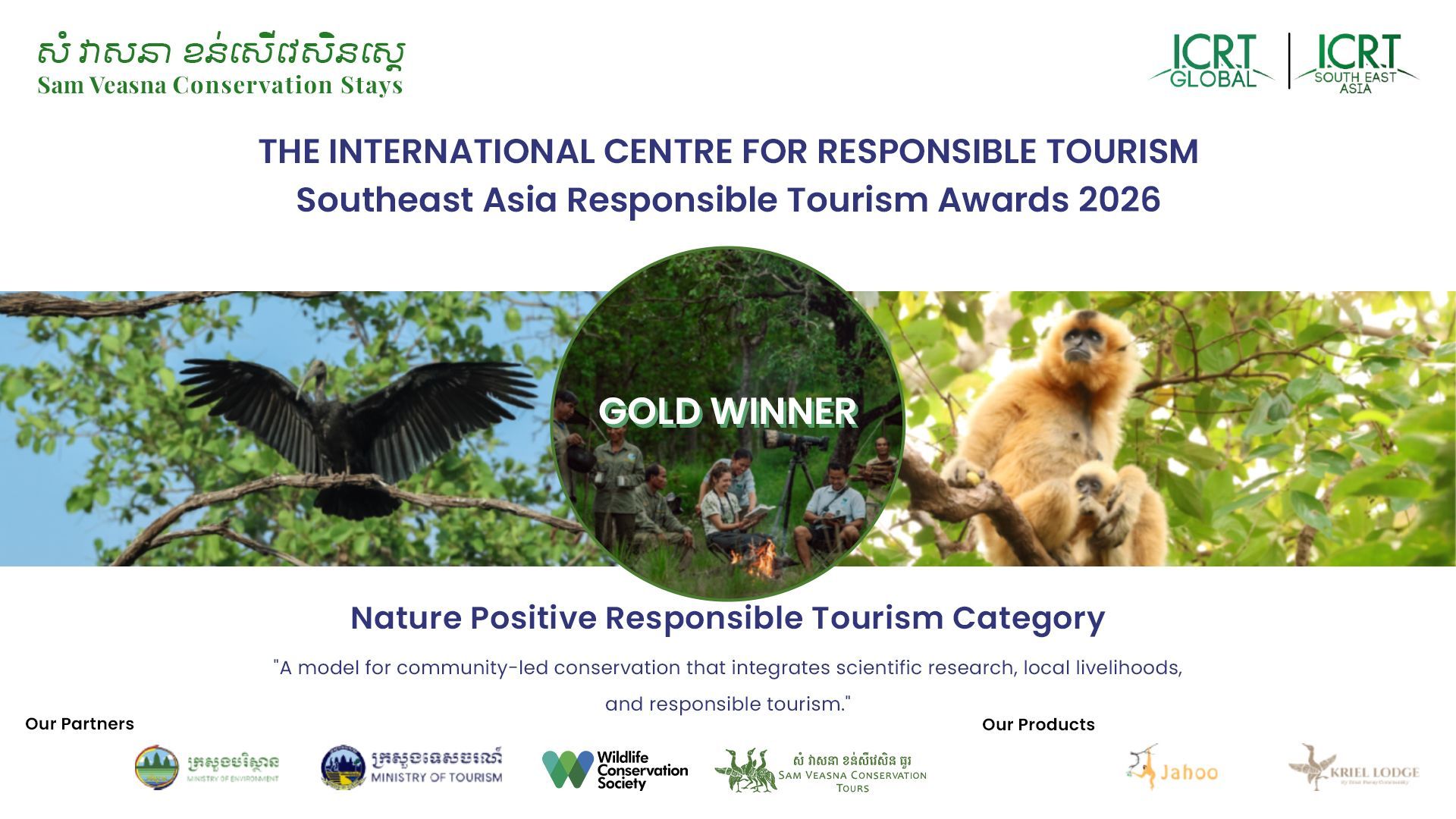
Sam Veasna Conservation Stays receives Gold for Nature Positive Responsible Tourism Categories | at the ICRT Southeast Asia Responsible Tourism Awards 2026
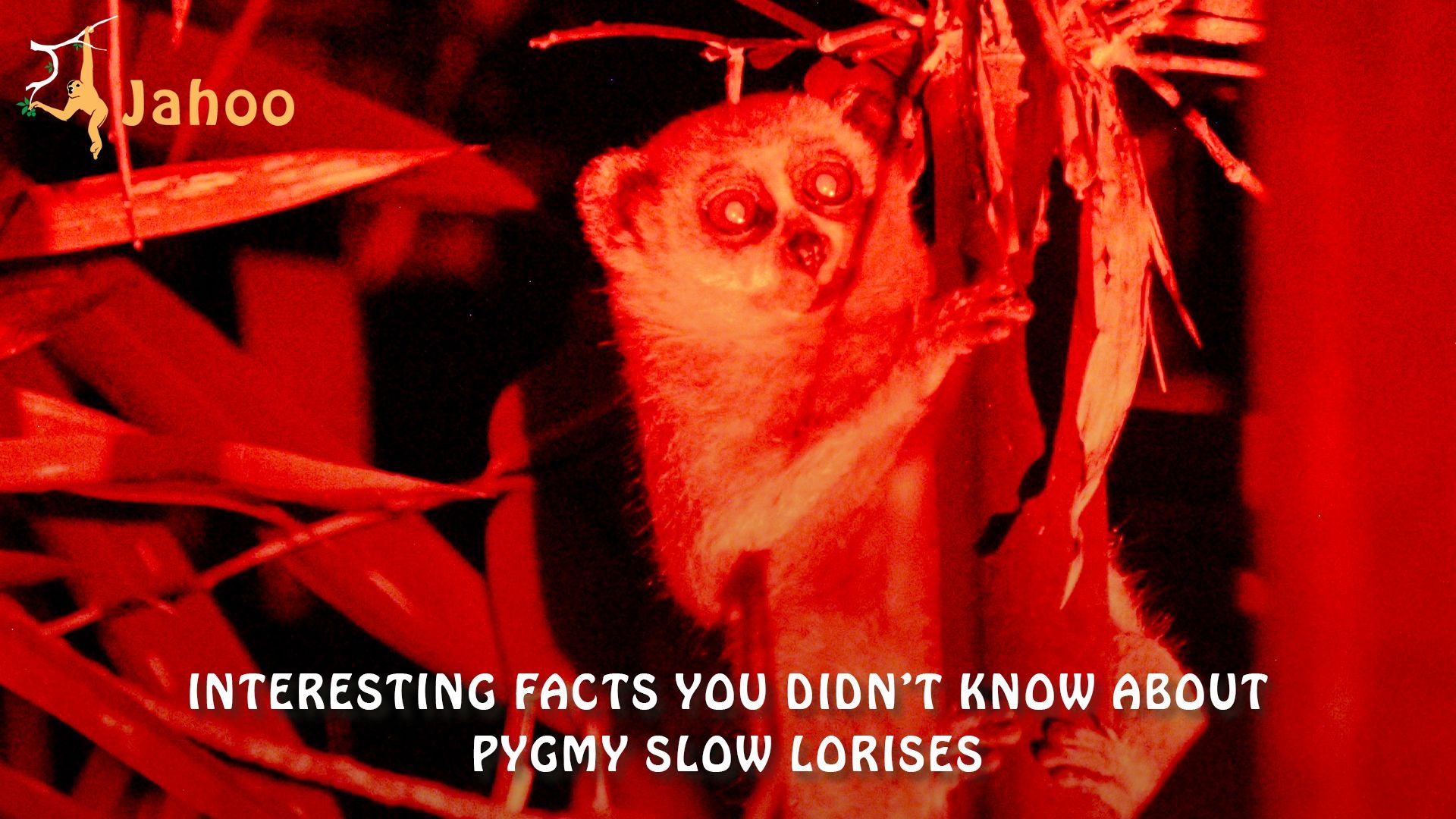
Discover fascinating facts about pygmy slow lorises, one of Cambodia’s most mysterious nocturnal mammals found in Keo Seima Wildlife Sanctuary.
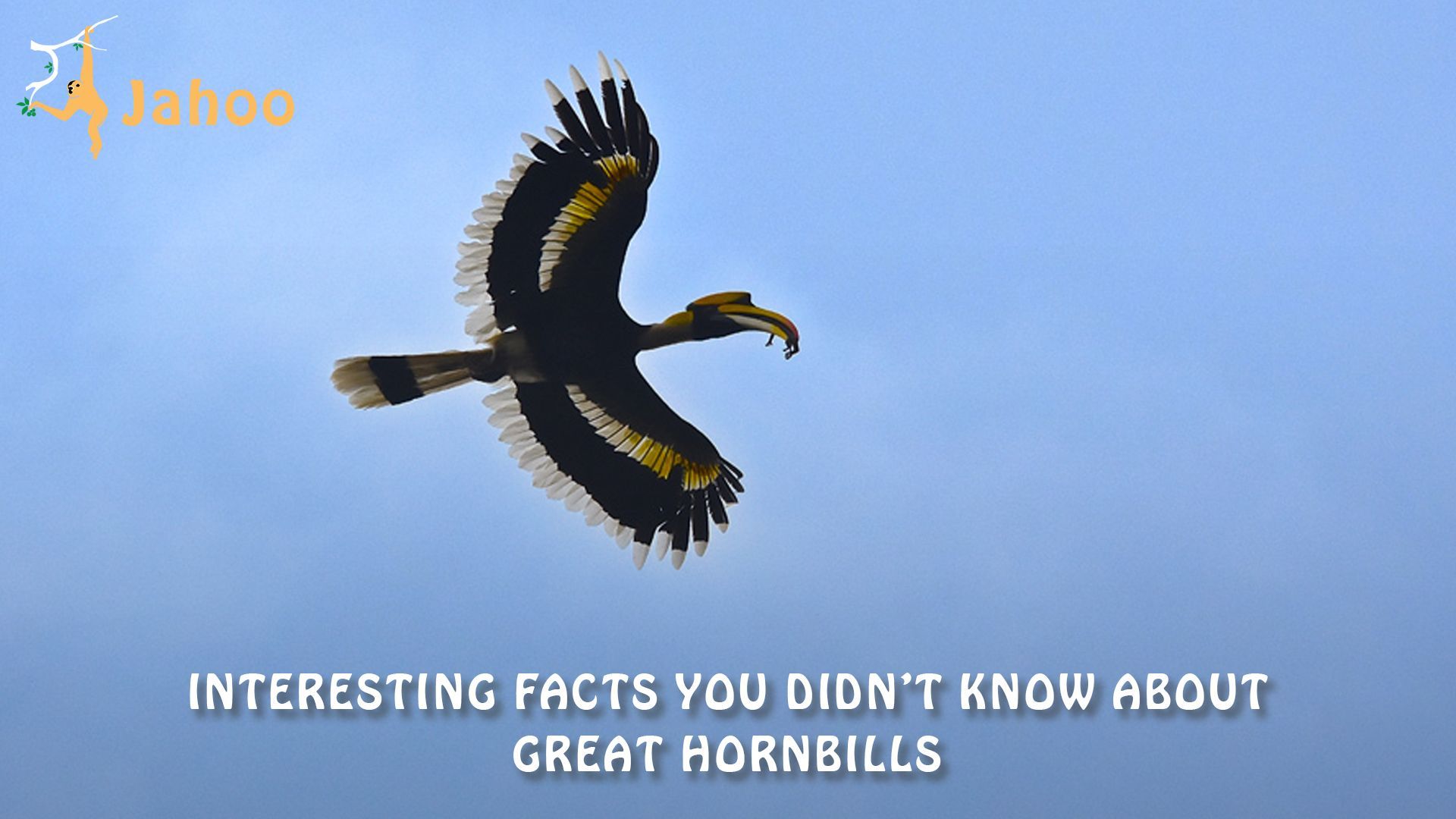
Discover fascinating facts about Great Hornbills, one of Cambodia’s most iconic forest birds found in Keo Seima Wildlife Sanctuary.
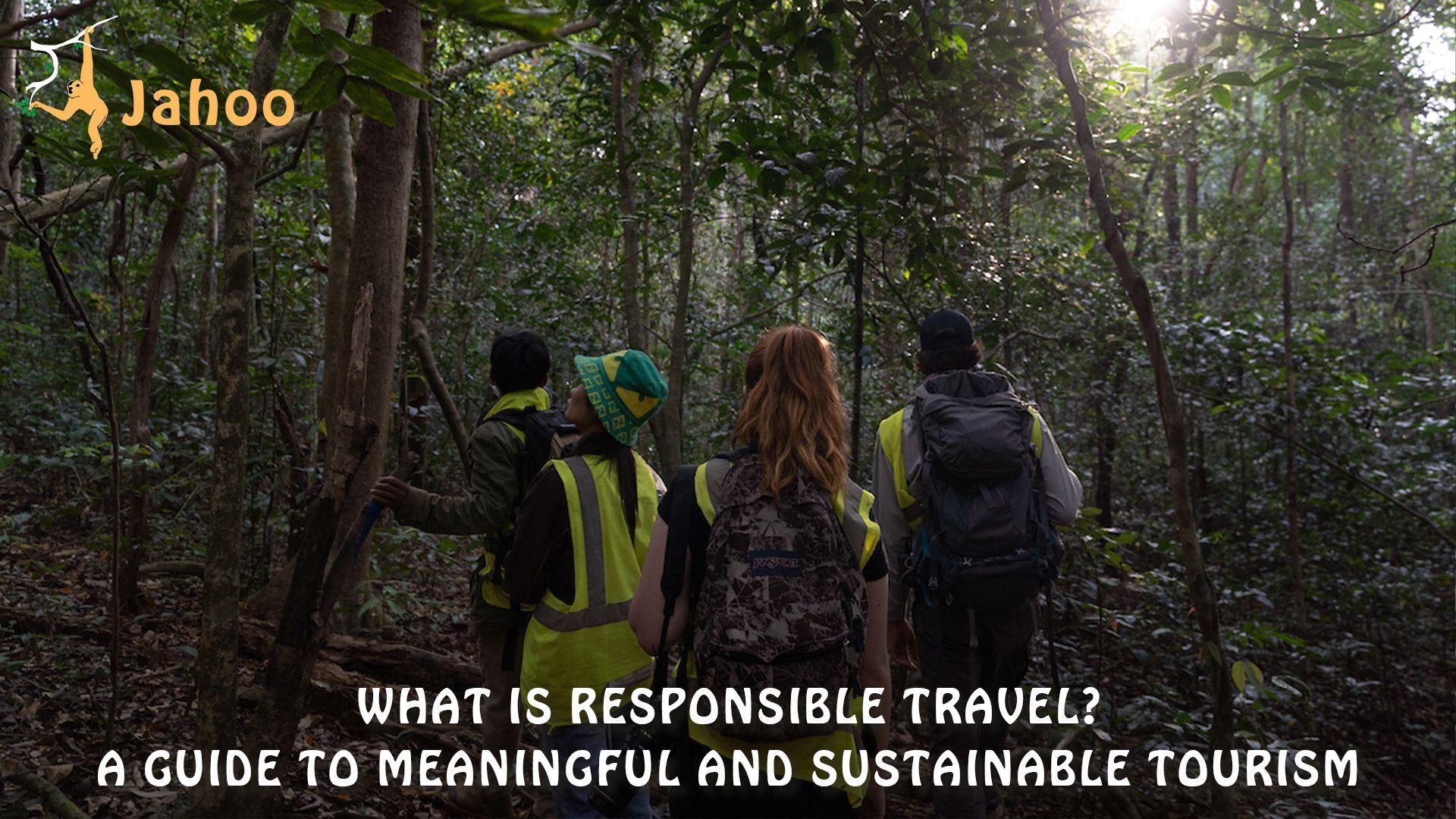
Learn what responsible travel means and how your choices can support local communities, protect wildlife, and create meaningful travel experiences.
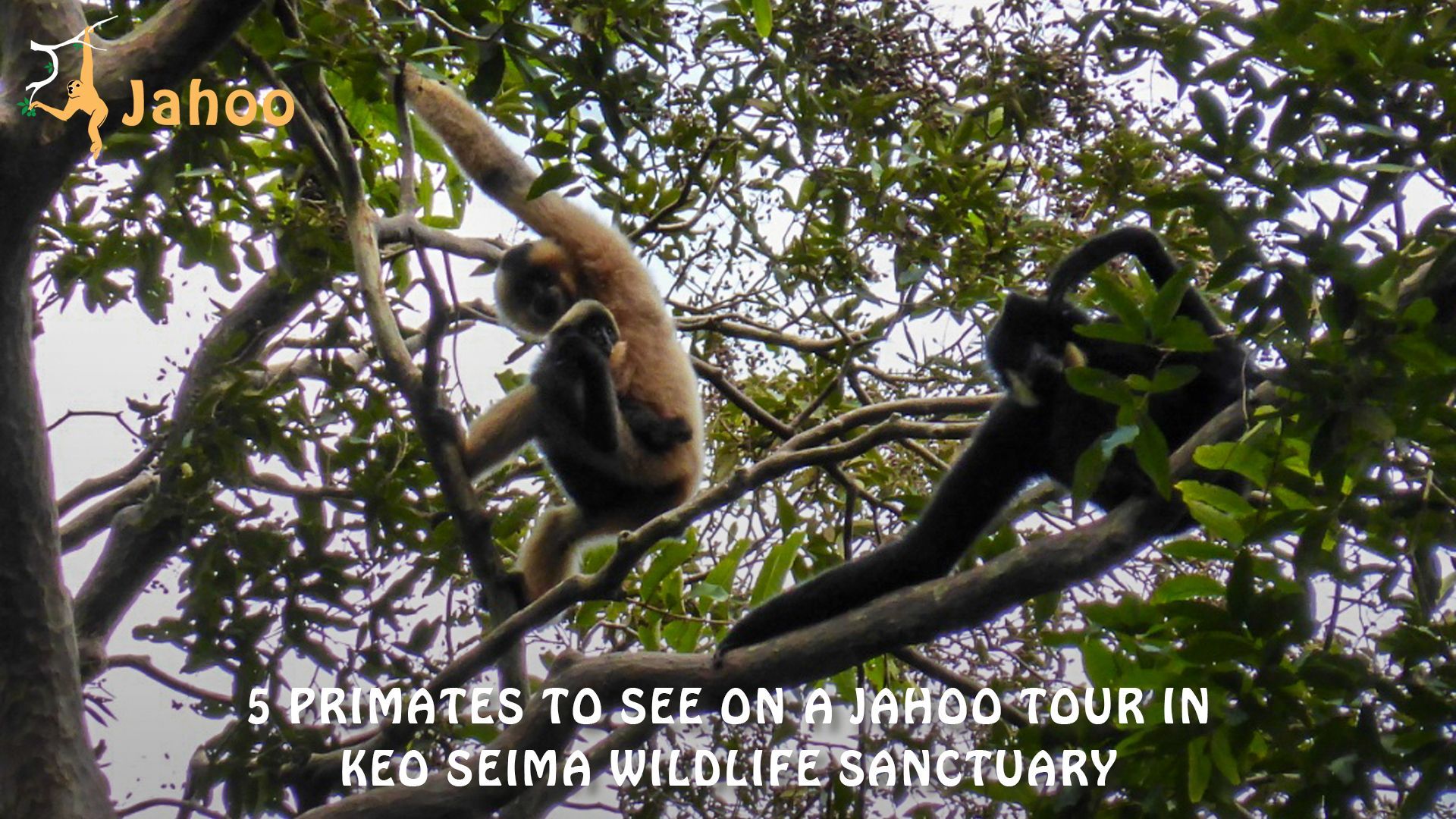
Discover 5 primate species that call Keo Seima Wildlife Sanctuary home, from gibbons and douc langurs to macaques and slow lorises.