The Indigenous Bunong Community and How We (Jahoo) Works With Them
The Indigenous Bunong Community and How We (Jahoo) Works With Them
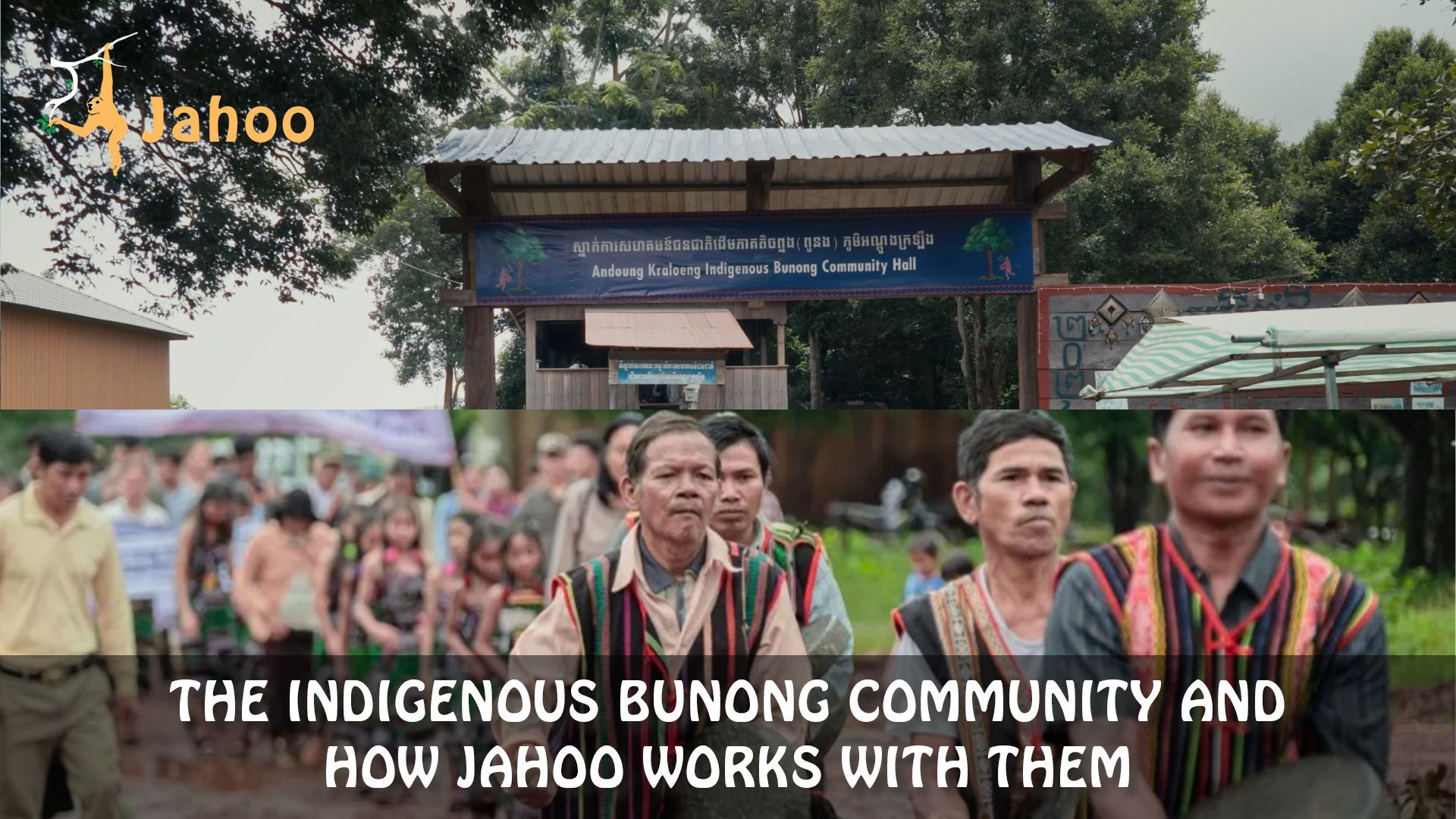
Jahoo is a community-based ecotourism project located in Keo Seima Wildlife Sanctuary, Mondulkiri, Cambodia. Founded in collaboration with the Indigenous Bunong community of Andoung Kraloeng, Jahoo integrates conservation, research, and cultural knowledge to protect endangered gibbons while supporting sustainable livelihoods.
Who Are the Bunong People of Keo Seima?
The Bunong are an Indigenous group of people with ancestral ties to the forested highlands of eastern Cambodia. In and around the area surrounding Keo Seima Wildlife Sanctuary, Bunong communities have lived in close relationship with the forest for generations, relying on it for food, medicine, materials, and spiritual practice.
For the Bunong, wildlife and forest landscapes are deeply woven into cultural belief systems and oral traditions. This connection is particularly strong with gibbons, which appear in Bunong folklore and are regarded with respect.
How Jahoo Was Founded
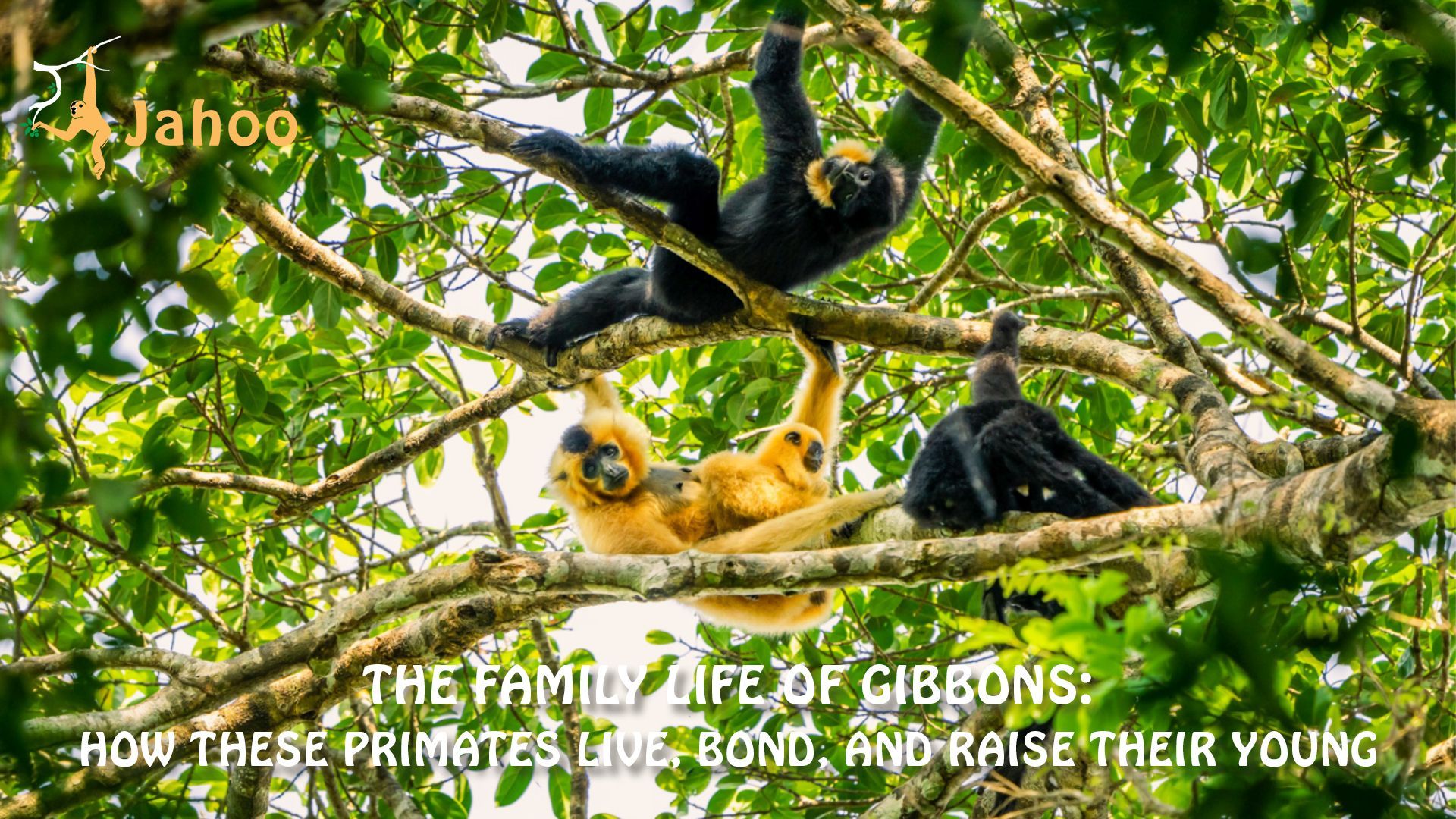
Jahoo was established in 2012 as a collaboration between the Wildlife Conservation Society and the Indigenous Bunong community of Andoung Kraloeng. The original goal was to protect the endangered Southern Yellow-cheeked Crested Gibbon through research and long-term habitat protection, whilst creating wildlife-friendly livelihoods.
The name “Jahoo” comes from the Bunong word for female gibbon, reflecting the species’ cultural importance and the project’s conservation focus. What began as a gibbon research station has since evolved into one of Southeast Asia’s leading examples of community-based ecotourism.
From Research Station to Community-Based Ecotourism
As Jahoo developed, conservation activities expanded beyond research to include guided wildlife experiences and cultural exchange. Bunong community members were trained and employed in wildlife-friendly roles such as:
- Forest guides and trackers
- Wildlife research assistants
- Camp and logistics staff
This approach ensured that conservation created direct benefits for the local community while maintaining strict standards for wildlife protection.
The Role of Bunong Knowledge at Jahoo
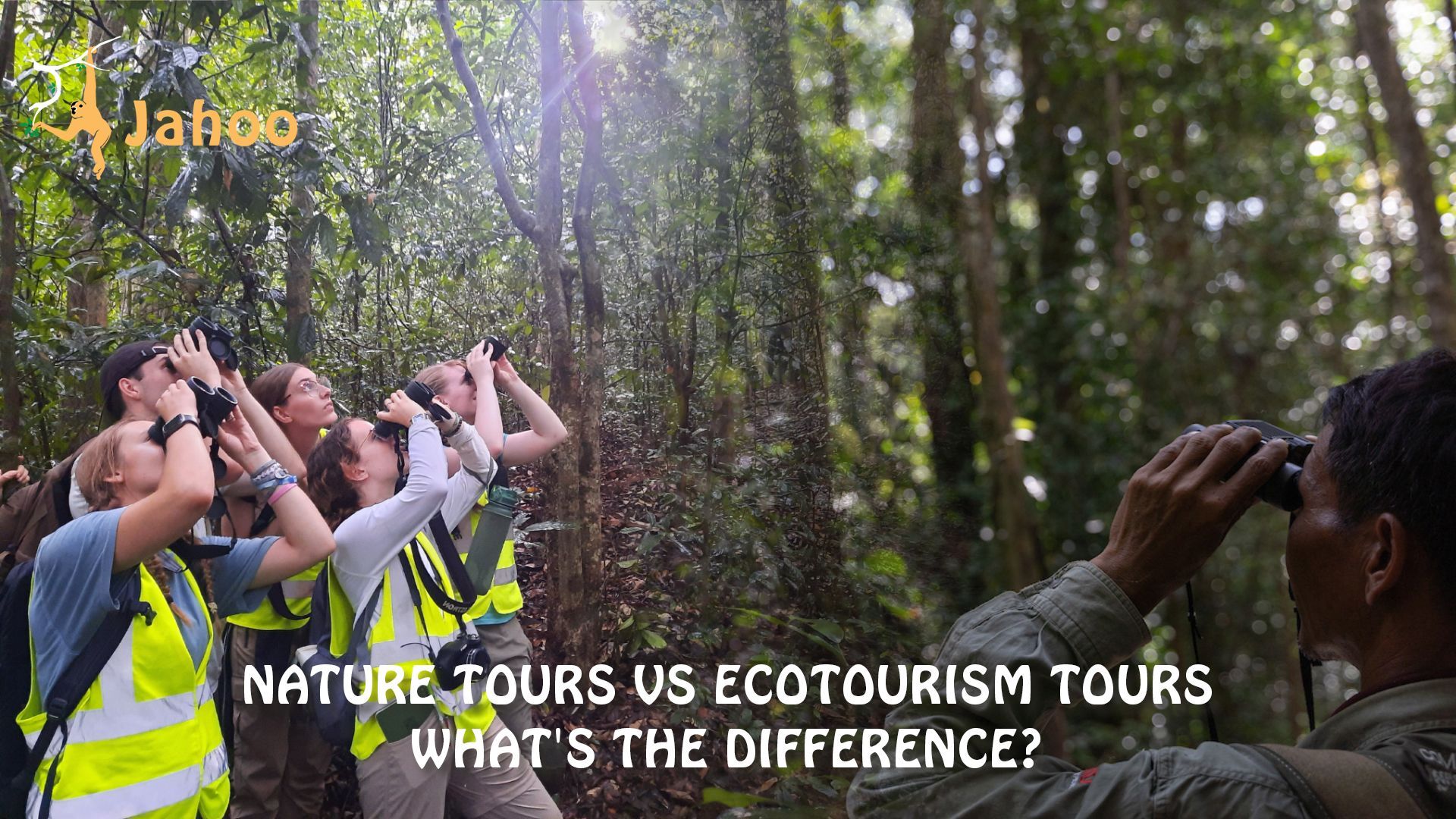
Traditional Bunong forest knowledge plays a central role in how Jahoo operates. Guides rely on deep familiarity with forest terrain, seasonal changes, and animal behaviour to track wildlife ethically and quietly.
Rather than controlling or altering animal behaviour, Jahoo’s approach follows natural patterns especially important when working with sensitive species such as gibbons. This knowledge helps minimise disturbance and supports long-term conservation goals.
The Gibbon Fund: Turning Tourism Into Community Benefit
In 2015, Jahoo launched the Gibbon Fund, a community benefit mechanism that receives USD 30 from every guest who visits Jahoo. The fund is managed by an elected Indigenous Community Committee, ensuring decisions remain in local hands.
The Gibbon Fund supports:
- Community-led forest patrols
- Education for Bunong students
- Support for elderly community members
- Indigenous Bunong cultural ceremonies and celebrations
This structure motivates conservation action while strengthening social wellbeing in Andoung Kraloeng.
Supporting Protected Area Management
In addition to community contributions, Jahoo pays USD 5 per guest to the Ministry of Environment to support conservation activities across Keo Seima Wildlife Sanctuary. These park fees contribute to broader protected area management and enforcement.
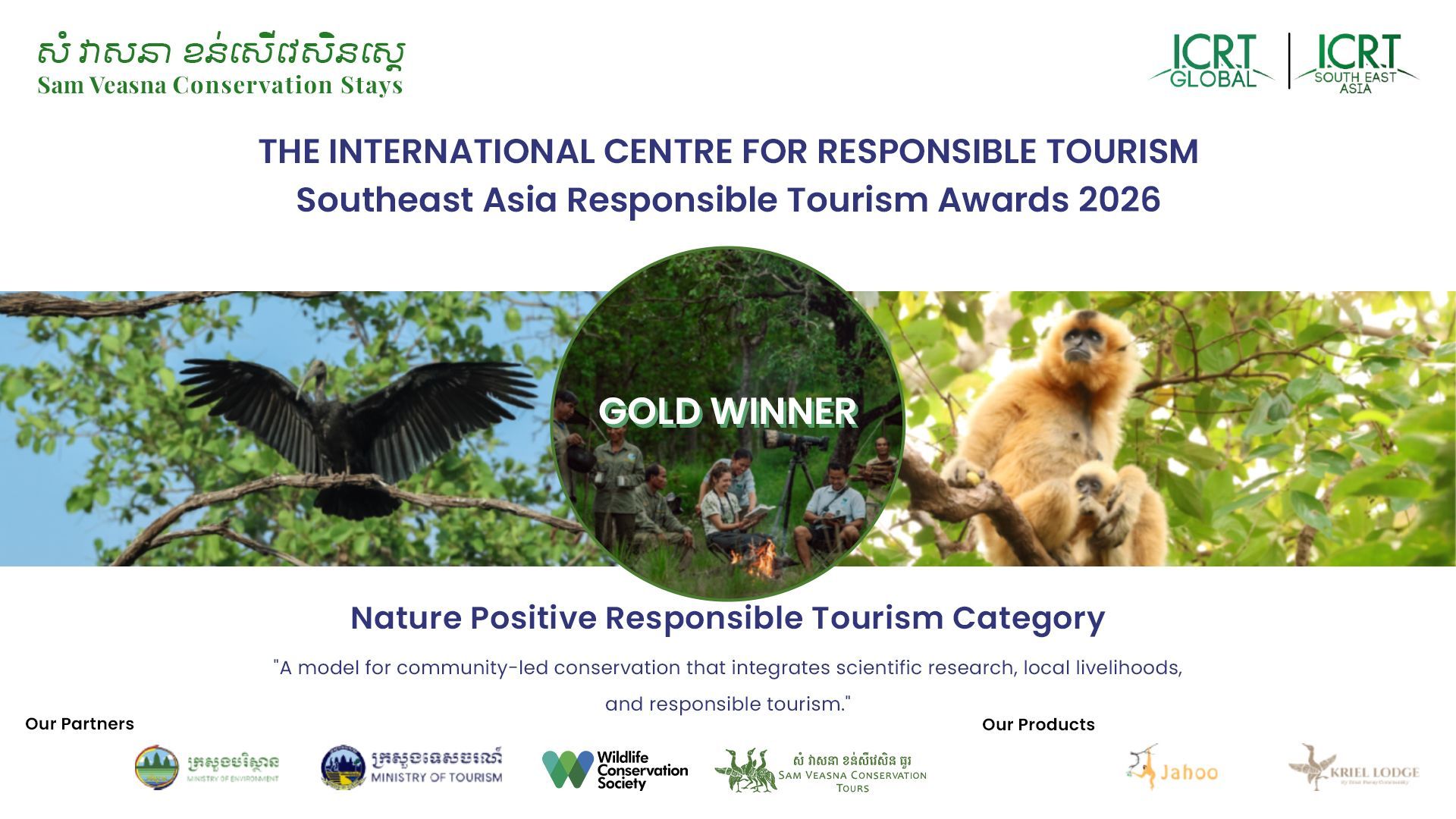
By working alongside government authorities and local leadership, Jahoo demonstrates how community ecotourism can provide sustainable financing for conservation.
Why This Integration Matters
Jahoo’s success depends on the integration of Indigenous leadership, scientific conservation, and responsible tourism. Rather than operating independently from the community, Jahoo places them at the centre of conservation outcomes, seen not just as beneficiaries, but full partners in this initiative.
Visitors to Jahoo are not only observing wildlife. They are supporting a model where protecting gibbons, preserving culture, and sustaining livelihoods are interconnected.
Conclusion
Jahoo is rooted in partnership with the Indigenous Bunong community of Andoung Kraloeng. Founded to protect gibbons and shaped by local knowledge, it has grown into a living example of how community-based ecotourism can support conservation and development at the same time.
By aligning conservation with cultural respect and economic opportunity, Jahoo helps ensure that the forests of Keo Seima and the people who depend on them, continue to thrive.