Three Ways to Experience Gibbon Tracking at Jahoo
Three Ways to Experience Gibbon Tracking at Jahoo
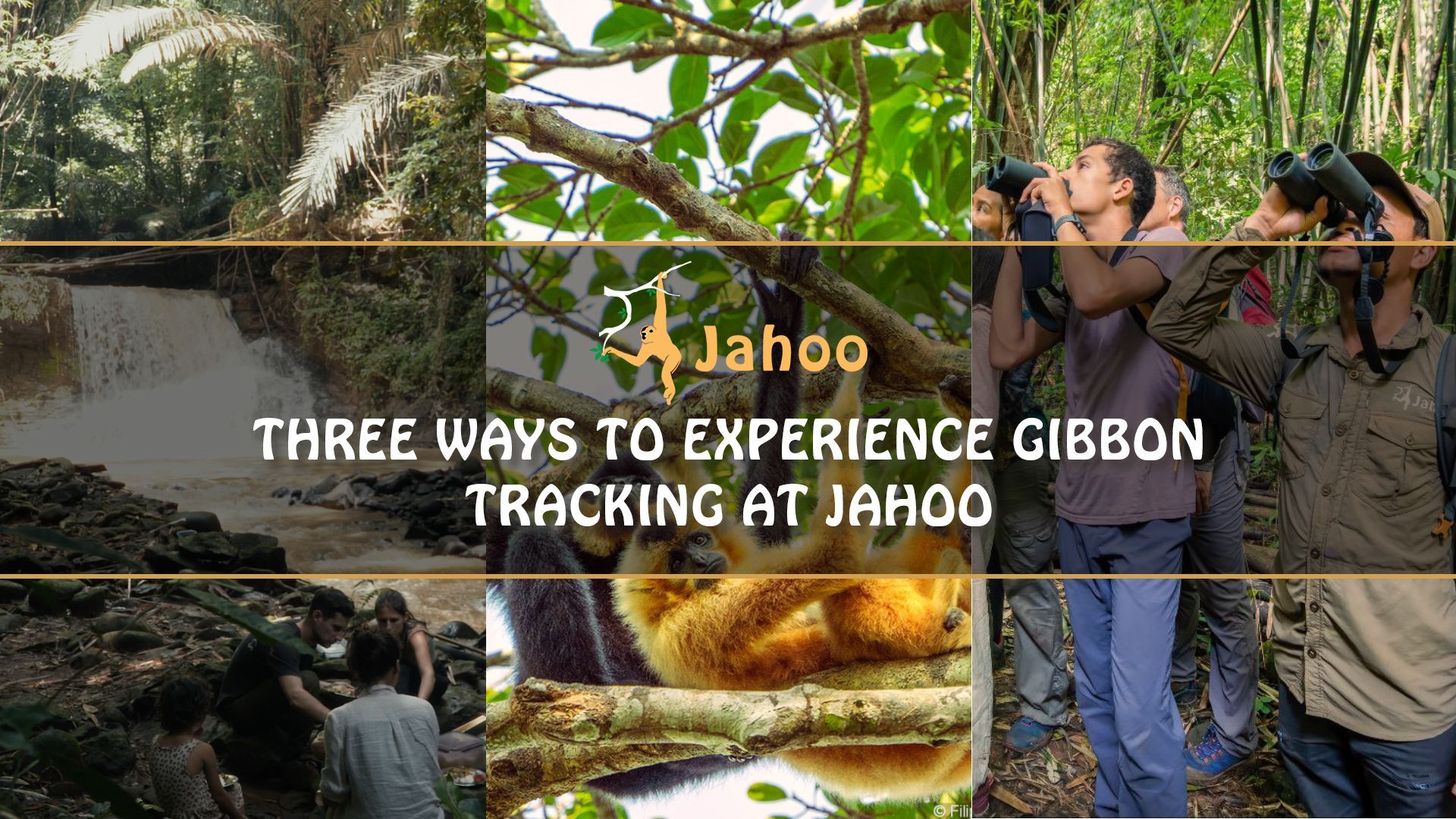
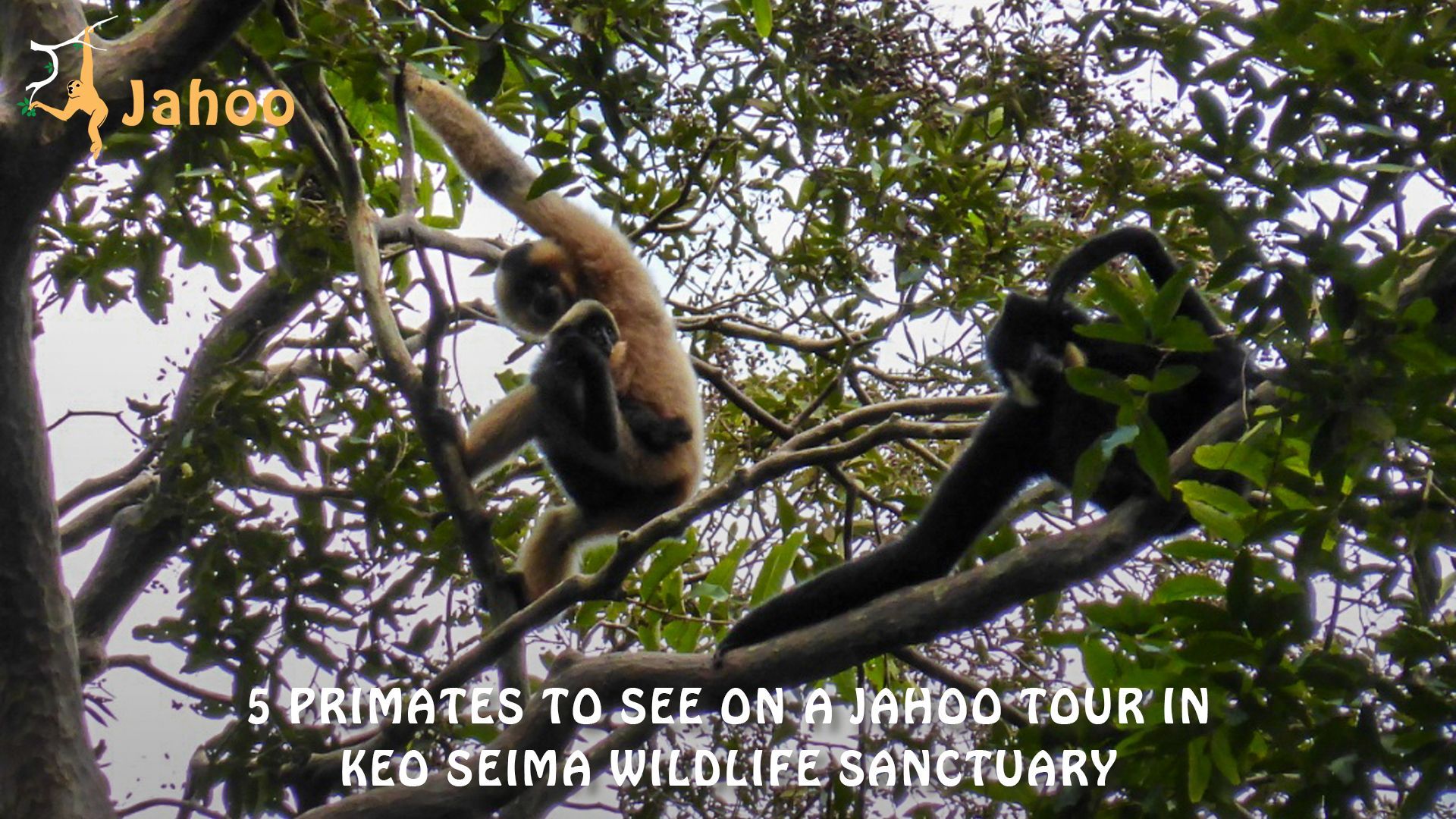
All Jahoo tours share one purpose: to respectfully and ethically track and observe the endangered Southern Yellow-cheeked Crested Gibbon in the wild.
Taking place inside Keo Seima Wildlife Sanctuary, each experience follows strict ethical primate-watching principles. No baiting, feeding, or disturbance is used, and animal welfare always comes before sightings. The difference between tours is not what you are looking for, but how long you spend in the forest and how the journey unfolds.
View all Jahoo tours:
https://www.gibbon.life/visit-us
What All Jahoo Gibbon Tours Have in Common
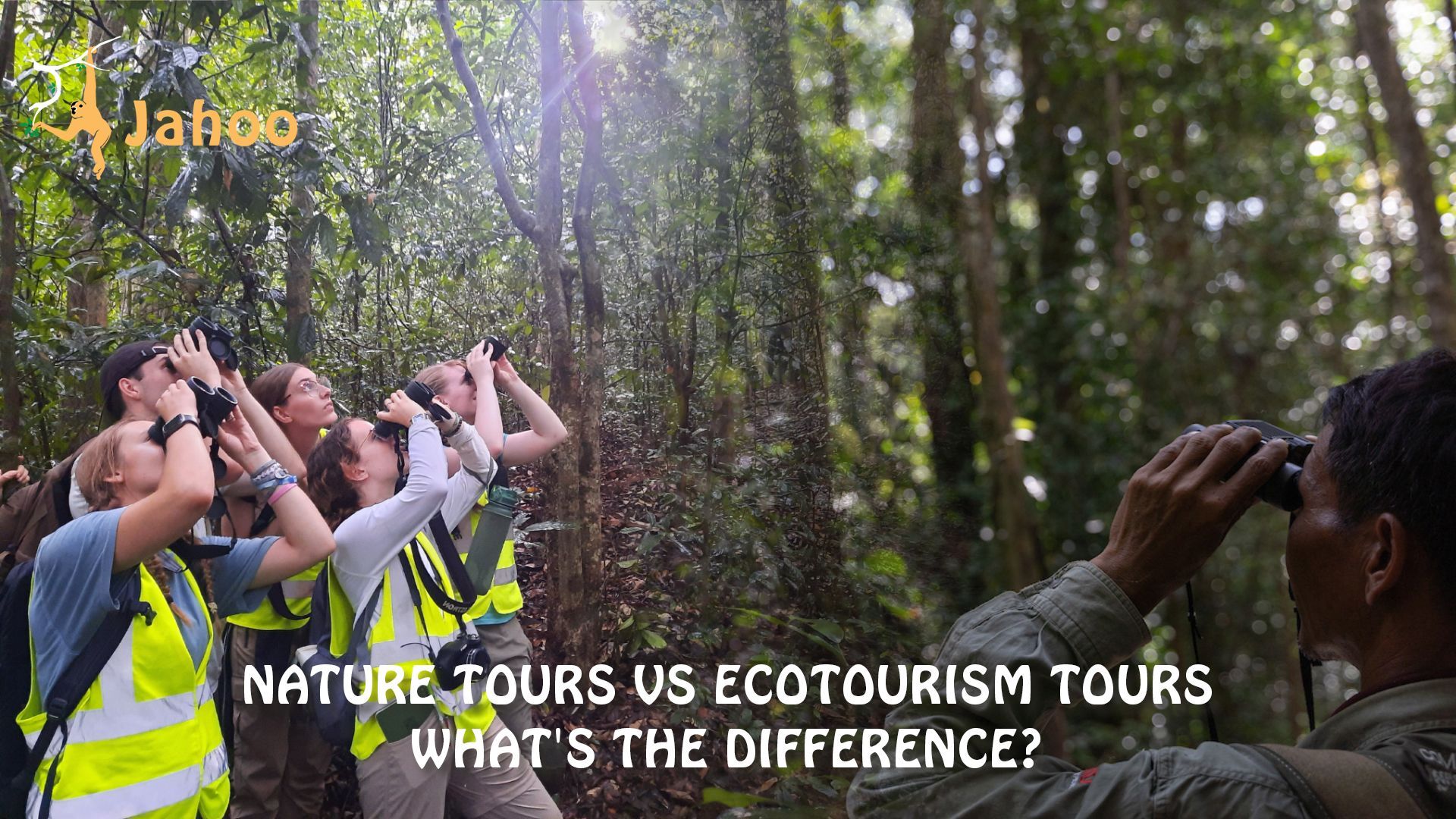
Every Jahoo tour is led by experienced Bunong guides and researchers trained in
ethical wildlife observation. Gibbons are located by listening for natural dawn calls and reading forest signs rather than manipulating animal behaviour.
- Group sizes are deliberately kept small to minimise disturbance, and tours begin early to align with natural gibbon activity. Sightings are never guaranteed. Gibbons are wild animals but each itinerary is designed to maximise opportunities without compromising welfare, habitat integrity, or natural behaviour.
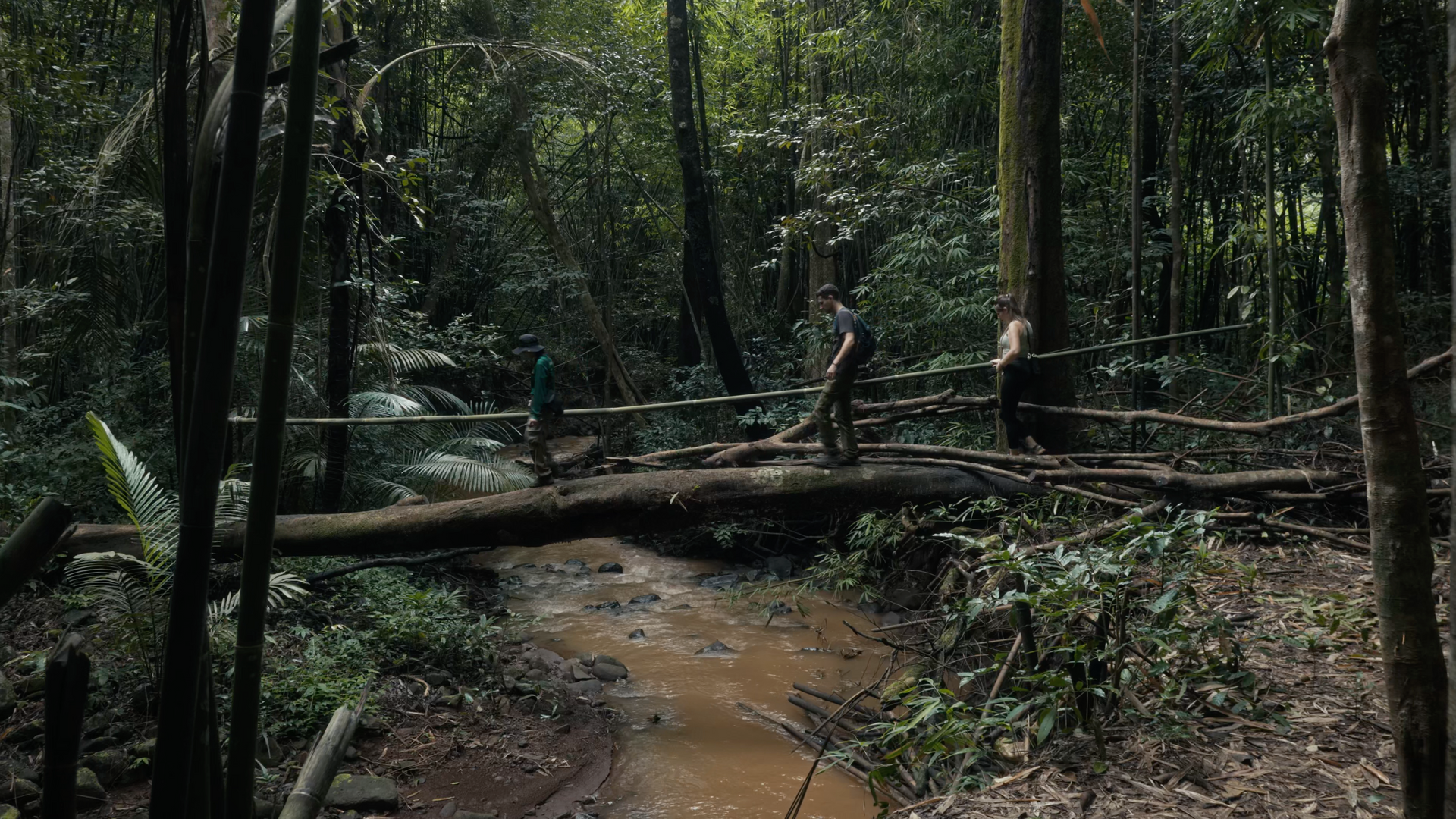
Trek Jahoo: A Focused One-Day Gibbon Experience
Trek Jahoo is a full-day journey from dawn to dusk, ideal for visitors with limited time. The day begins before sunrise, when gibbons are most vocal, allowing guides to follow calls through semi-evergreen forest. After the morning gibbon walk, the experience expands to broader wildlife tracking, waterfalls, and Bunong cultural learning.
How it feels:
- Purposeful and efficient
- One dedicated dawn gibbon session
- A strong introduction to Jahoo and gibbon conservation
Learn more:
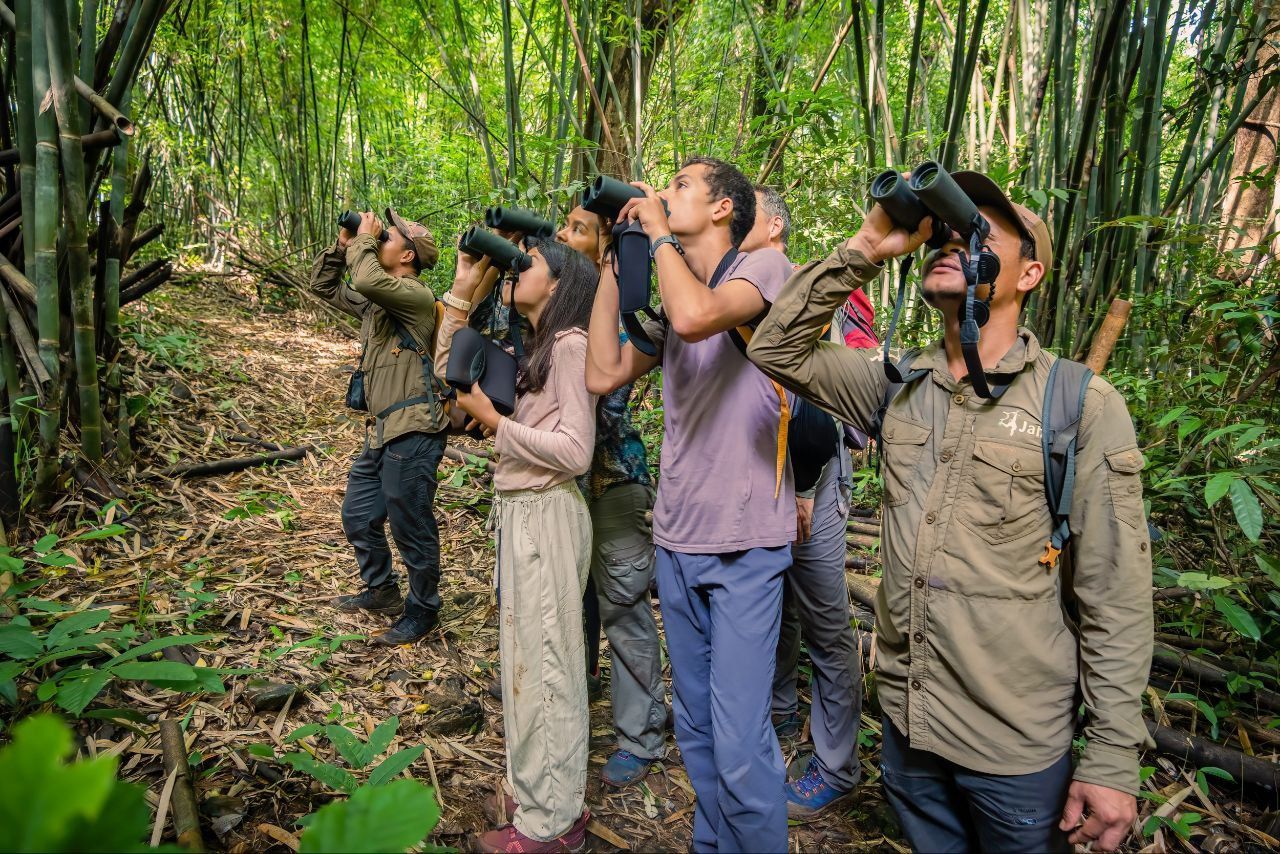
Explore Jahoo: Gibbons at Dawn, Forest at Night
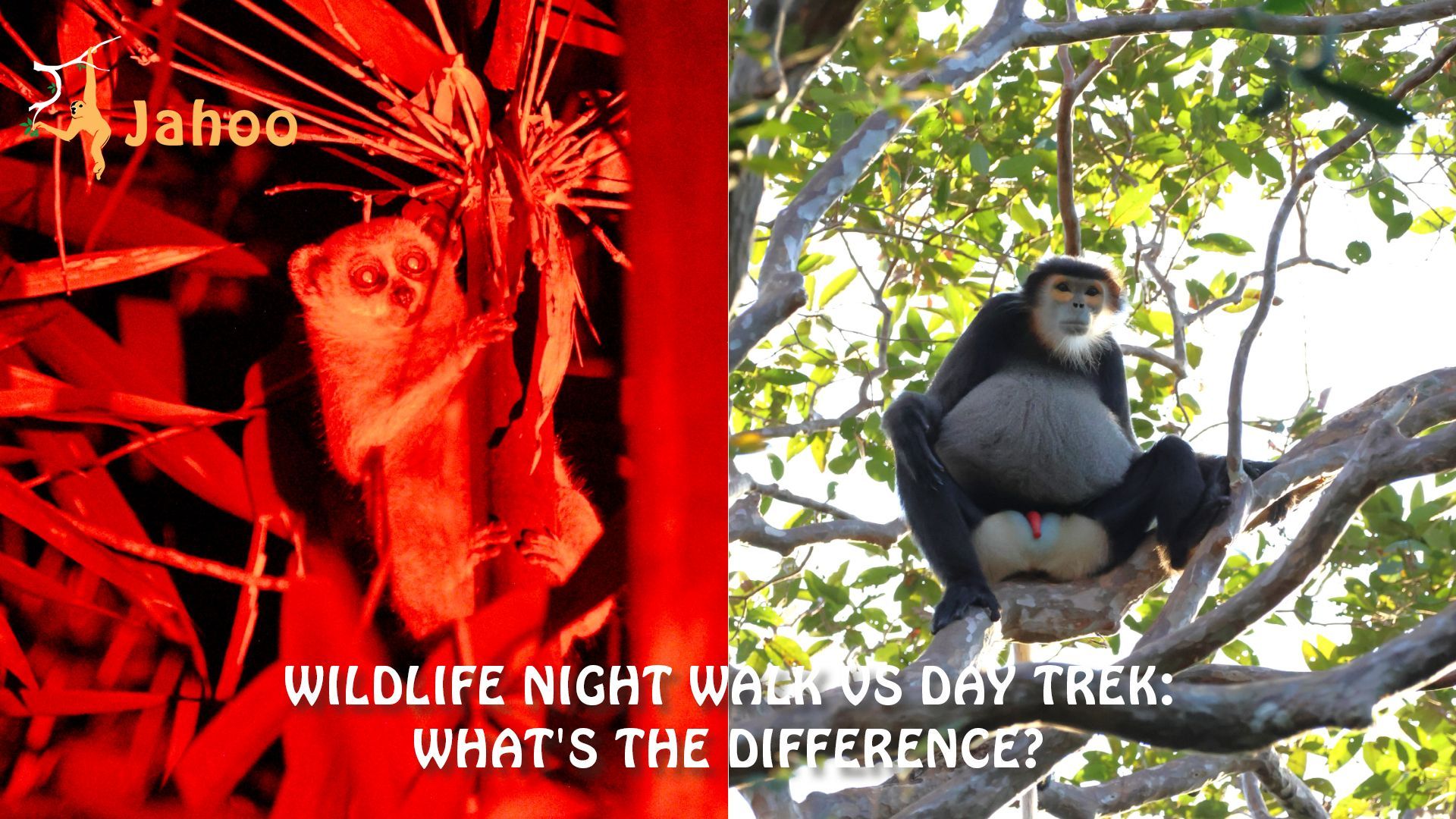
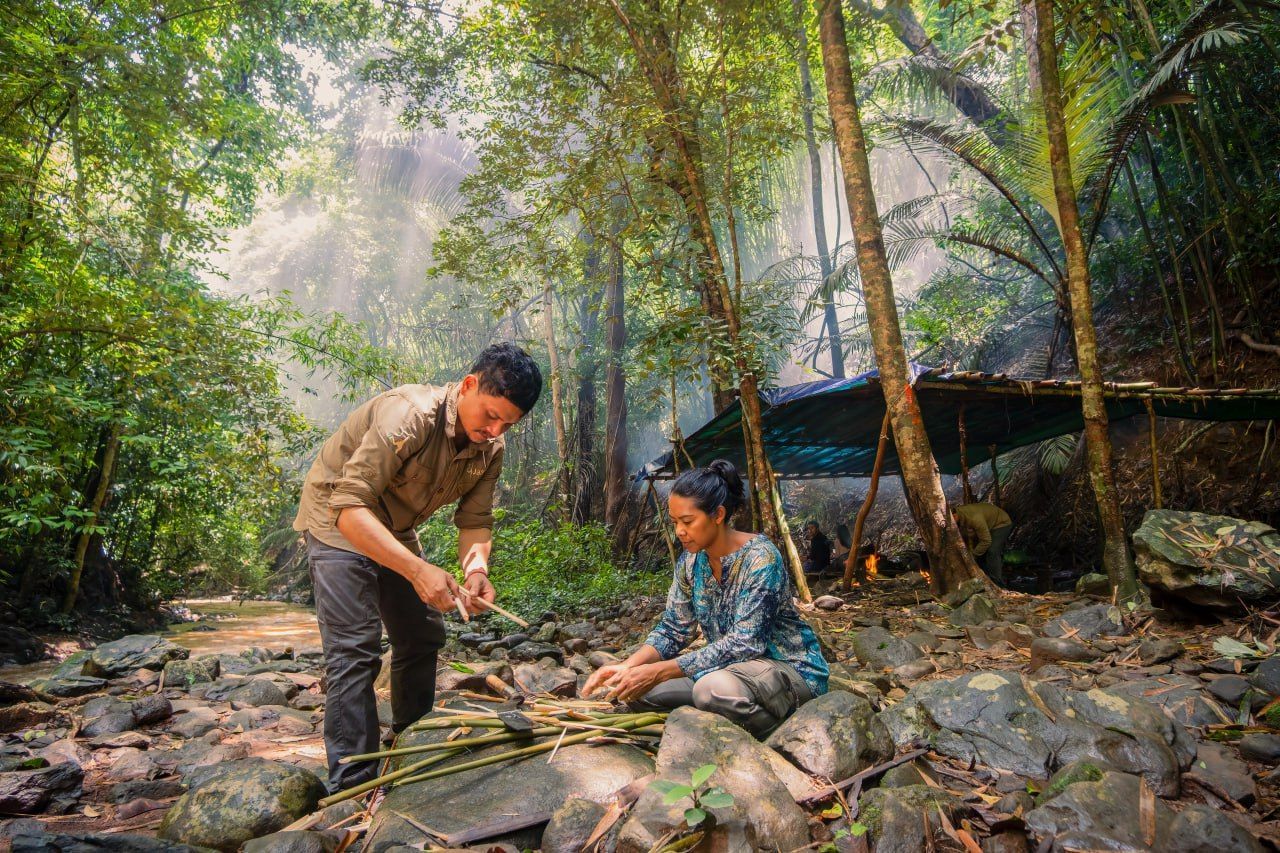
Explore Jahoo adds an overnight stay at the Bamboo Camp, changing the rhythm of the experience. Sleeping inside the forest allows a calmer pace and a natural pre-dawn start, often guided directly by gibbon calls. Time is also set aside for a nocturnal walk, revealing species active after dark.
How it feels:
- Slower and more immersive
- Dawn gibbon tracking after waking in the forest
- A fuller sense of forest life across day and night
Learn more:
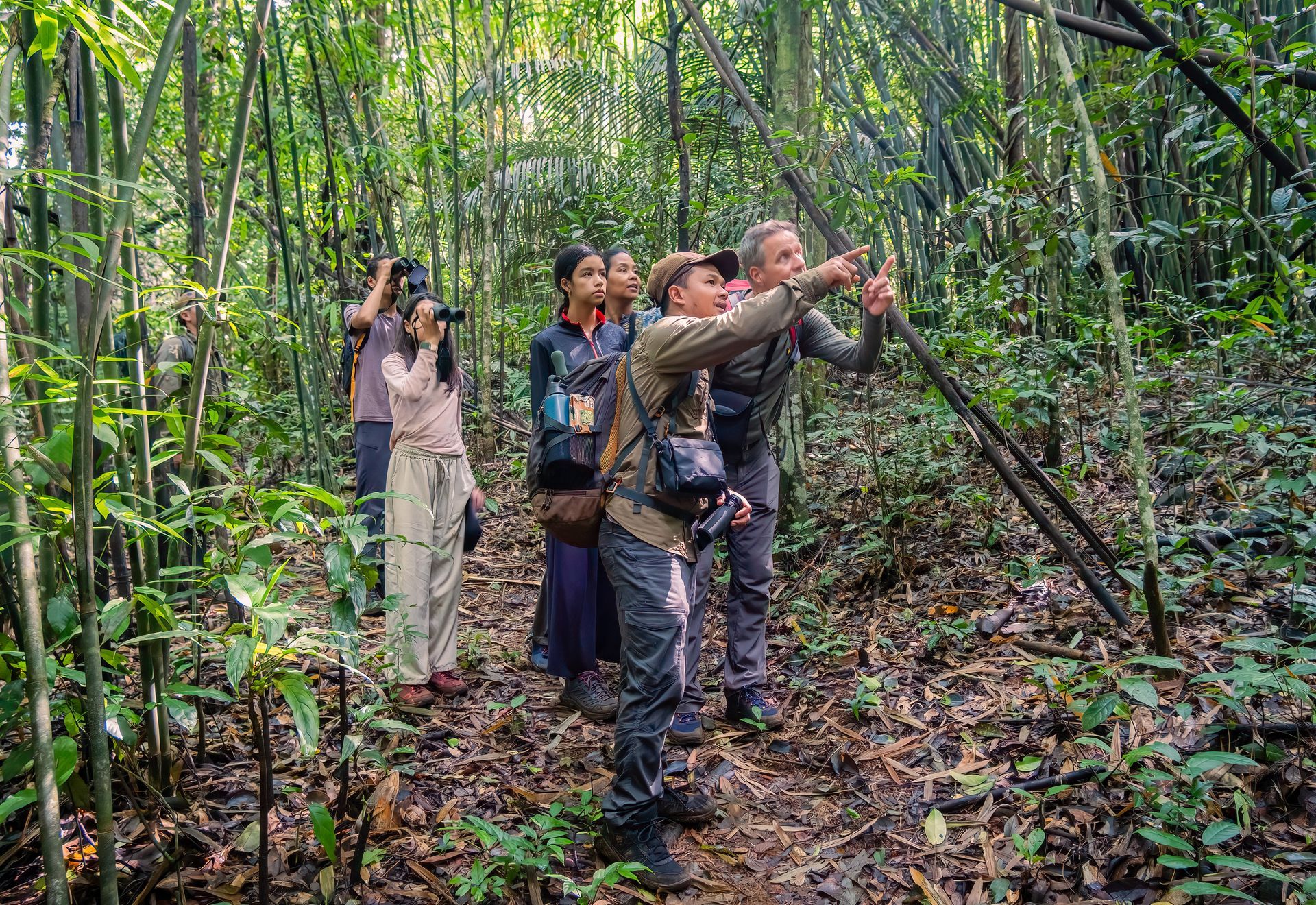
Discover Jahoo: Time and Flexibility in the Forest
Discover Jahoo is a multi-day expedition designed for those who want the deepest immersion. With more time available, guides can adapt routes based on weather, gibbon movement, and guest interest. Gibbon tracking remains central, complemented by extended wildlife walks, and waterfalls, along with a focus on Bunong cultural experiences and learning.
How it feels:
- Unhurried and adaptive
- More flexibility around gibbon activity
- Deeper understanding of forest ecology and culture
Learn more:
Choosing the Right Jahoo Tour
All Jahoo tours are
ethical, conservation-led gibbon experiences. Choosing the right one depends on
time and pacing, not priorities.
- Choose Trek Jahoo if you want a meaningful gibbon experience in a single day.
- Choose Explore Jahoo if you want to experience the forest overnight and at dawn.
- Choose Discover Jahoo if you value time, flexibility, and deeper immersion.
In wildlife tracking, time allows the forest to reveal itself and Jahoo simply offers three ways to experience that journey.
Conclusion
- Whether you join Jahoo for one day or three, your experience is built around the same core moment: standing beneath the canopy as gibbons call and move through the treetops. Each tour supports ethical primate tourism, community livelihoods, and the long-term protection of one of Cambodia’s most important species offering different paths toward the same extraordinary and responsible encounter.