Why Mondulkiri Feels Different From the Rest of Cambodia
Why Mondulkiri Feels Different From the Rest of Cambodia
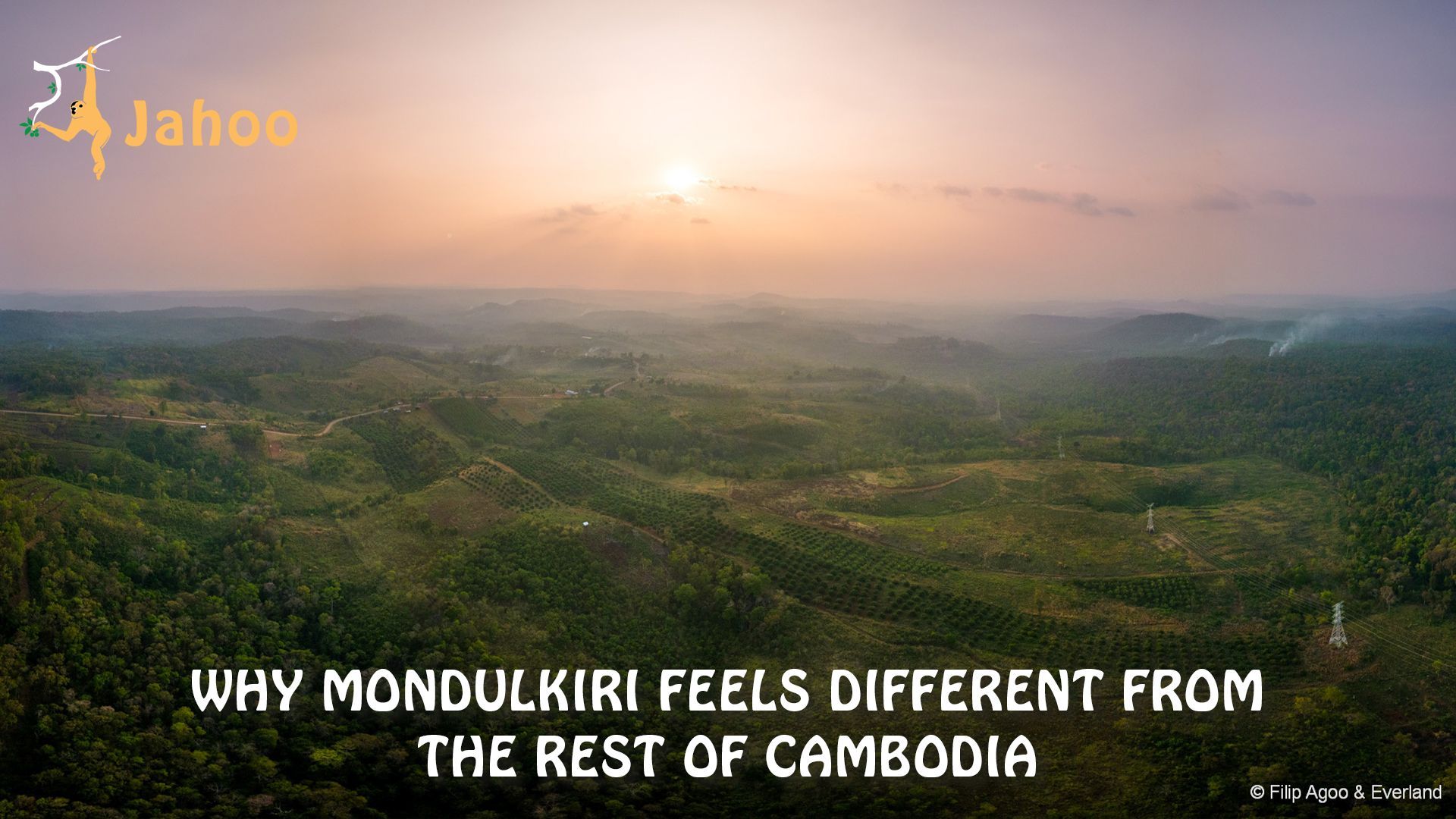
Travelers who visit Mondulkiri often notice clear differences compared to other parts of Cambodia. The landscape is more open, the climate is cooler, and daily life moves at a slower pace. These characteristics shape how people experience Mondulkiri and explain why it is widely regarded as one of Cambodia’s most nature-focused destinations.
This guide explains what makes Mondulkiri different, from its forests and wildlife to its culture and approach to tourism.
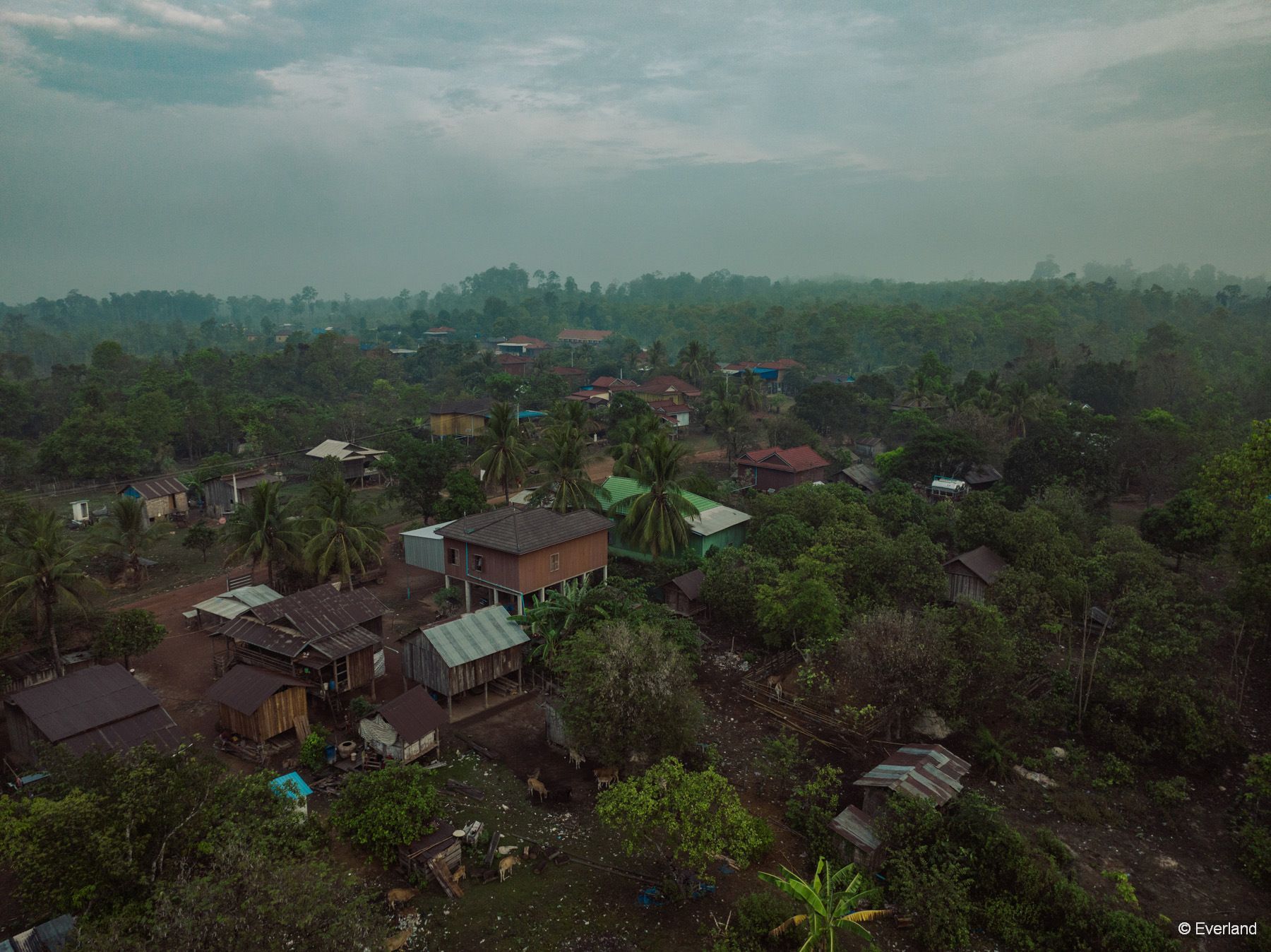
Andong Kralong village, home to the Indigenous Bunong people in Mondulkiri, Cambodia.
Mondulkiri Is Cooler and Greener Than Other Places in Cambodia
Mondulkiri sits on a high plateau in Northeastern Cambodia at the foothills of the Annamite Range extending down from Laos and Vietnam. Because of its elevation (700 - 800 meters), temperatures are generally cooler than in the lowlands, usually averaging around 18–25°C, especially in the early morning and evening.
Instead of wide rice fields, the region is defined by rolling hills, open grasslands, pine trees, and dense evergreen and riverine forest. The fresh air and green landscape create a calm, spacious feeling that many visitors notice immediately.

Protected forest landscape of Keo Seima Wildlife Sanctuary in Mondulkiri
Mondulkiri Has Large Forests and Open Natural Landscapes
Much of Mondulkiri is still covered by forest. Large areas are protected as wildlife sanctuaries, including the Keo Seima Wildlife Sanctuary, with community-led resource management , helping preserve natural ecosystems and wildlife habitats.
Nature is not limited to specific attractions here. Forest from wildlife sanctuaries such as Keo Seima and other protected areas surrounds towns, villages, and roads, shaping daily life and travel experiences. This strong presence of nature is a key reason Mondulkiri feels less developed and more balanced.

View of dense forest canopy in Mondulkiri, part of a large protected landscape supporting wildlife and biodiversity.
Mondulkiri Is One of the Best Places for Wildlife in Cambodia
Thanks to its forest coverage and collaborative effort on initiatives like Jahoo , Mondulkiri is one of the best regions in Cambodia for wildlife observation. The province is home to remarkable biodiversity. Keo Seima Wildlife Sanctuary alone has over 1000 recorded species, including Cambodia’s highest bird diversity with more than 350 species, endangered primates such as the Black-shanked Douc Langur and Yellow-cheeked Crested Gibbon, rare birds like the Giant Ibis and Black Eagle, and large mammals including Asian Elephants, Gaur, and Eld’s Deer (source:
Wildlife Conservation Society Cambodia – Keo Seima Wildlife Sanctuary - https://cambodia.wcs.org/Wild-Places/Keo-Seima-Wildlife-Sanctuary/Local-Communities.aspx)
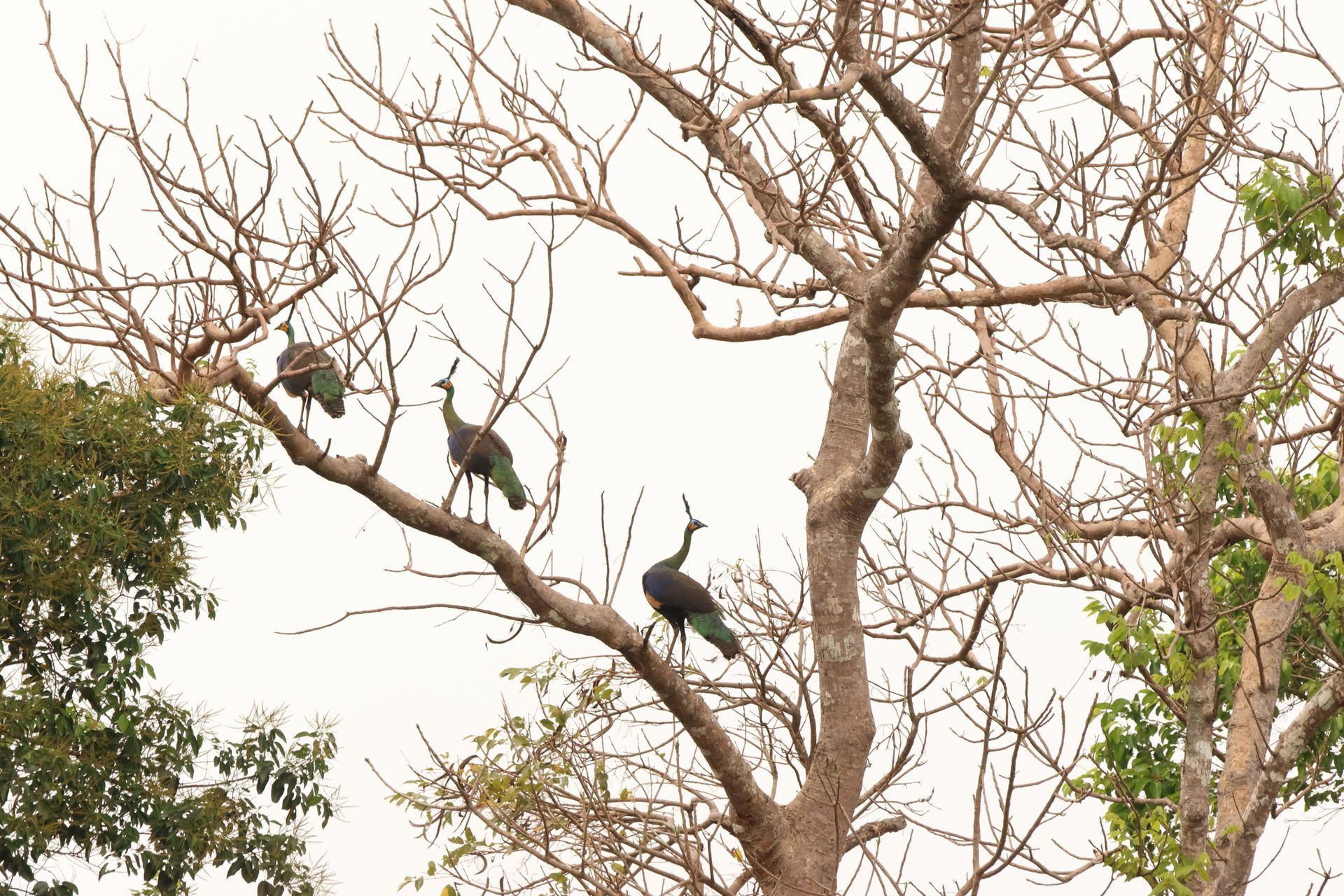
Green Peafowl perched in tall forest trees in Mondulkiri, highlighting the region’s rich birdlife.
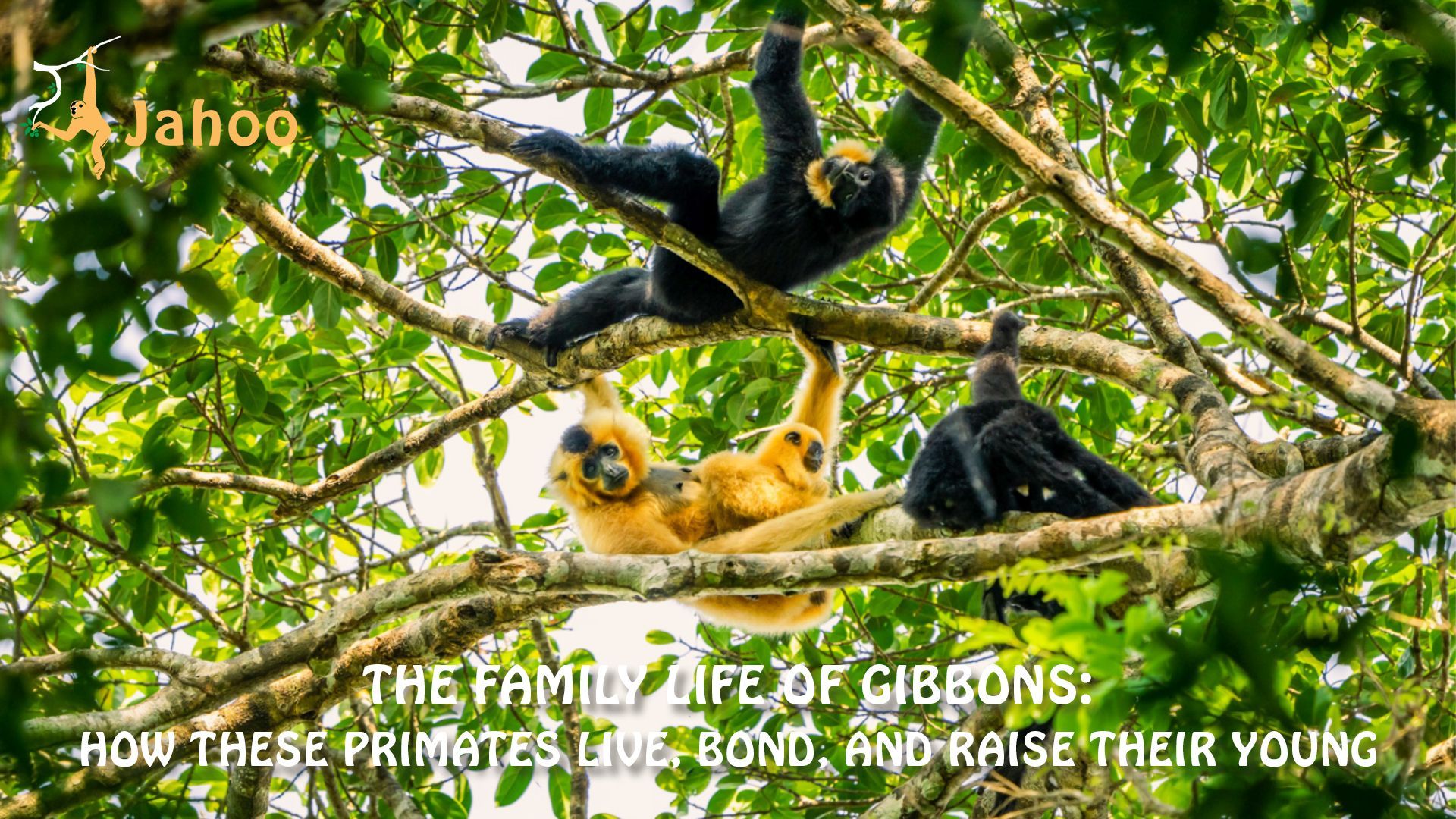
Experience Southern Yellow-cheeked Crested Gibbon
Mondulkiri is the only place in Cambodia where visitors can experience Southern Yellow-cheeked Crested Gibbon living in intact forest.
Gibbon tracking usually starts before sunrise, when gibbons are most active and calling across the forest. At Jahoo, this follows carefully designed habituation methods for Southern Yellow-cheeked Crested Gibbons, developed initially to support low-impact wildlife tourism and to enable behavioural ecology research, with strict ethical guidelines to avoid disturbing wildlife.
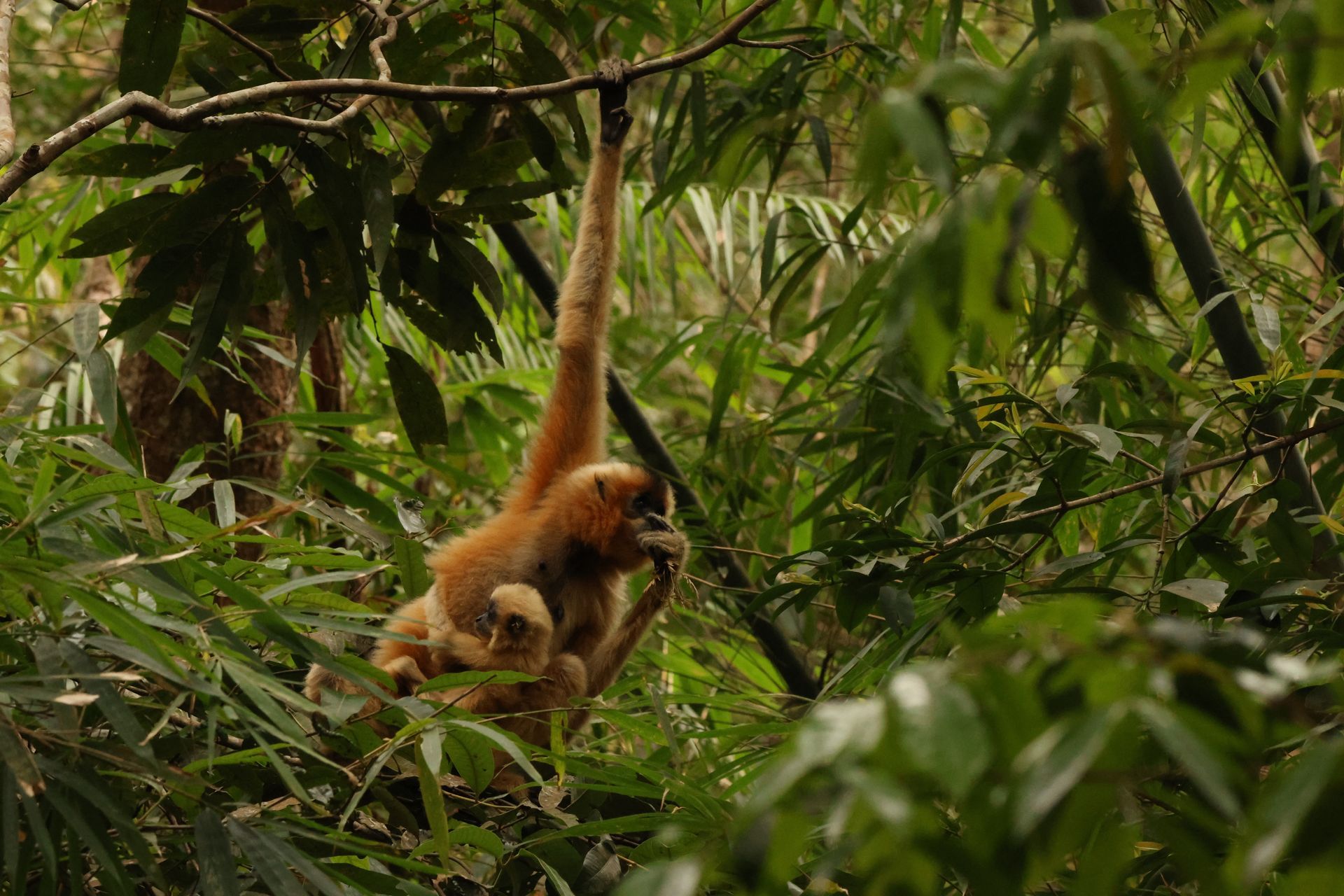
A female Southern Yellow-cheeked Crested Gibbon carrying its infant through the forest canopy in Mondulkiri.
Mondulkiri Is The Ancestral Home to the Indigenous Bunong People
Mondulkiri is home to several Indigenous communities, with the Bunong people forming the largest and most prominent group. The Bunong are the traditional inhabitants of the region and maintain a deep cultural and spiritual connection to the land.
Bunong culture in Mondulkiri is not staged for tourism. It continues through everyday practices such as traditional farming, forest use, language, and ceremonies. This living culture, alongside other Indigenous traditions in the province, adds depth and authenticity to the region.
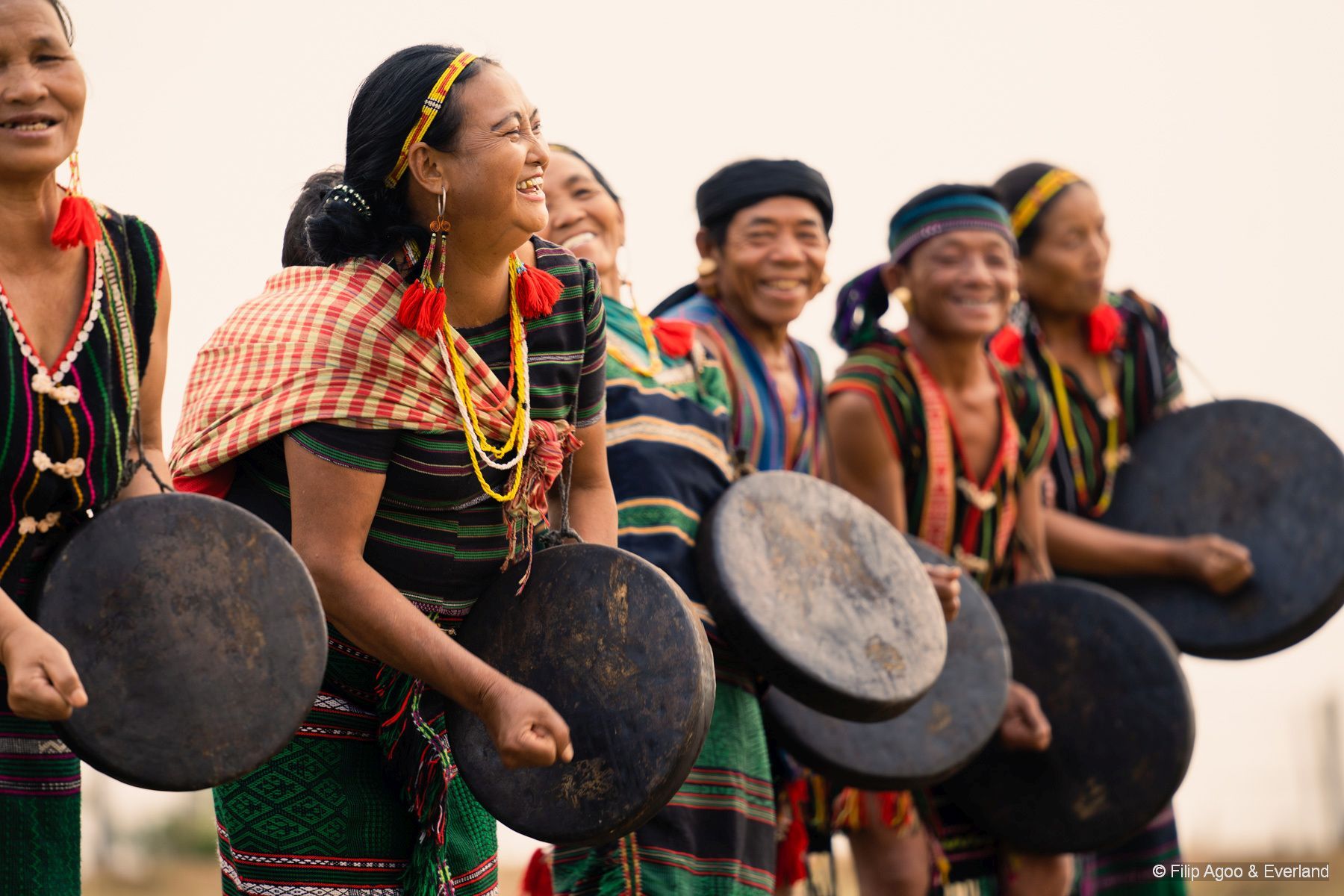
Bunong community members in traditional dress for International Day of the World's Indigenous Peoples in Mondulkiri, Cambodia.
Mondulkiri Is Quiet and Less Crowded Than Other Destinations
Outside of Sen Monorom, Mondulkiri is sparsely populated. Roads are quiet, and large areas remain undeveloped.
With fewer people and lower traffic levels, Mondulkiri offers space for reflection and immersion in nature. It is especially appealing to travelers seeking calm, uncrowded environments.
Tourism in Mondulkiri Focuses on Nature, Wildlife, and Community
Tourism in Mondulkiri follows a different model from mass tourism destinations. Activities and experiences are closely connected to forests, wildlife, and local communities, with an emphasis on low-impact practices and respect for natural systems.
Rather than large-scale or fast-paced tourism, the focus is on understanding wildlife behaviour, protecting forest ecosystems, and supporting community involvement, helping ensure that tourism contributes positively to conservation and local livelihoods.
Jahoo: The Top-Rated Tour Experience in Sen Monorom
Jahoo is currently ranked #1 out of 19 tours & activities in Sen Monorom, Mondulkirion Tripadvisor, placing it at the top of all listed experiences in the area.
This position reflects consistently excellent traveler reviews and is closely linked to what Jahoo offers on the ground: ethical, low-impact wildlife experiences, activities designed around animal behaviour and a strong commitment to community-based and responsible tourism.
Why Mondulkiri Feels Different From the Rest of Cambodia
Mondulkiri feels different because nature leads everyday life. Forest landscapes, endangered wildlife such as Southern Yellow-cheeked Crested Gibbons, and Indigenous cultures, like that of the Bunong people, remain closely tied to the land.
Instead of competing for attention with more attractions, Mondulkiri offers space to breathe, quiet moments shaped by forest sounds and gibbon calls, and a sense of balance between people, wildlife, and landscape that sets it apart from other destinations in Cambodia.