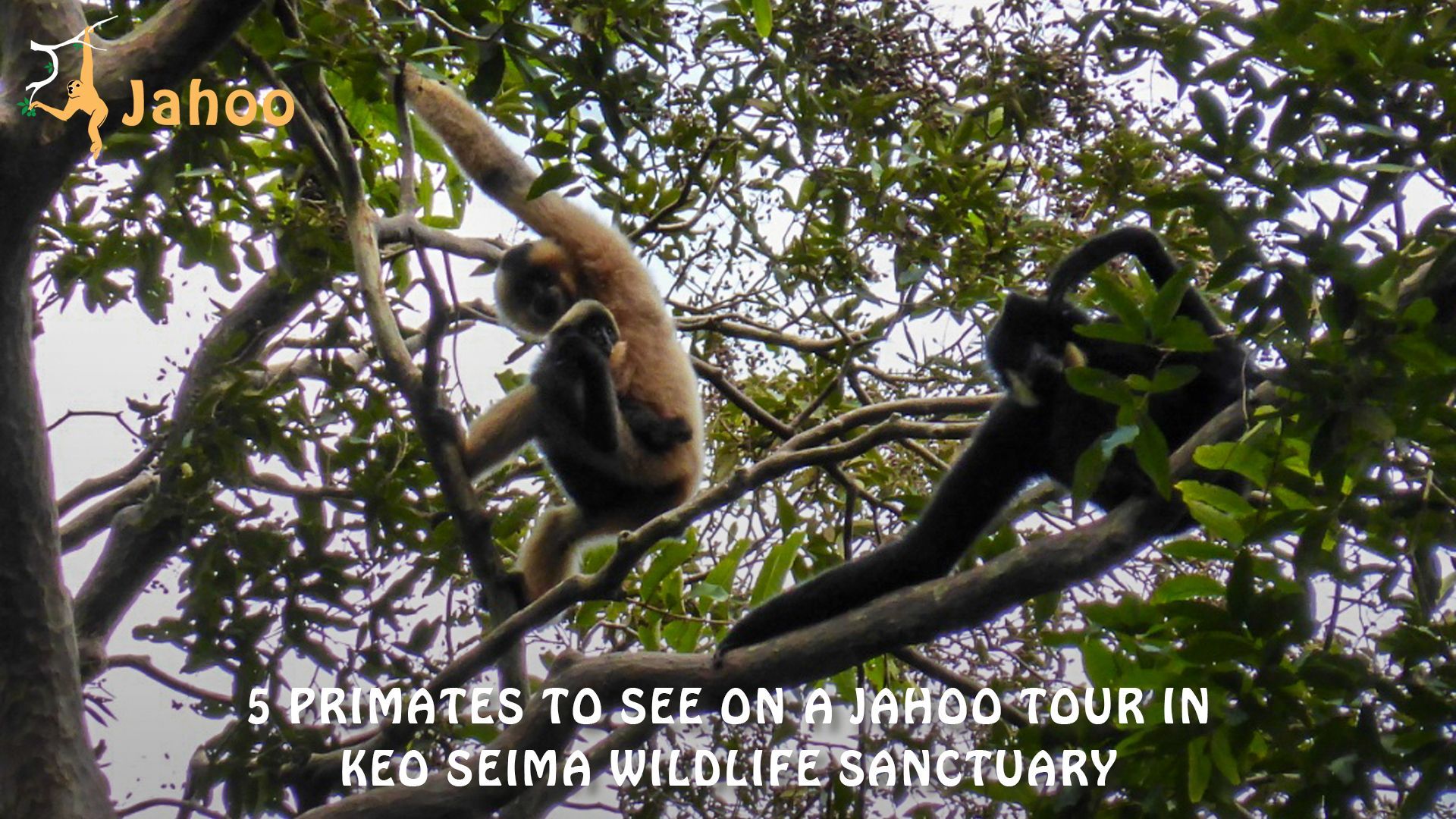
Key Species You May Encounter on a Jahoo Tour
Key Species You May Encounter on a Jahoo Tour
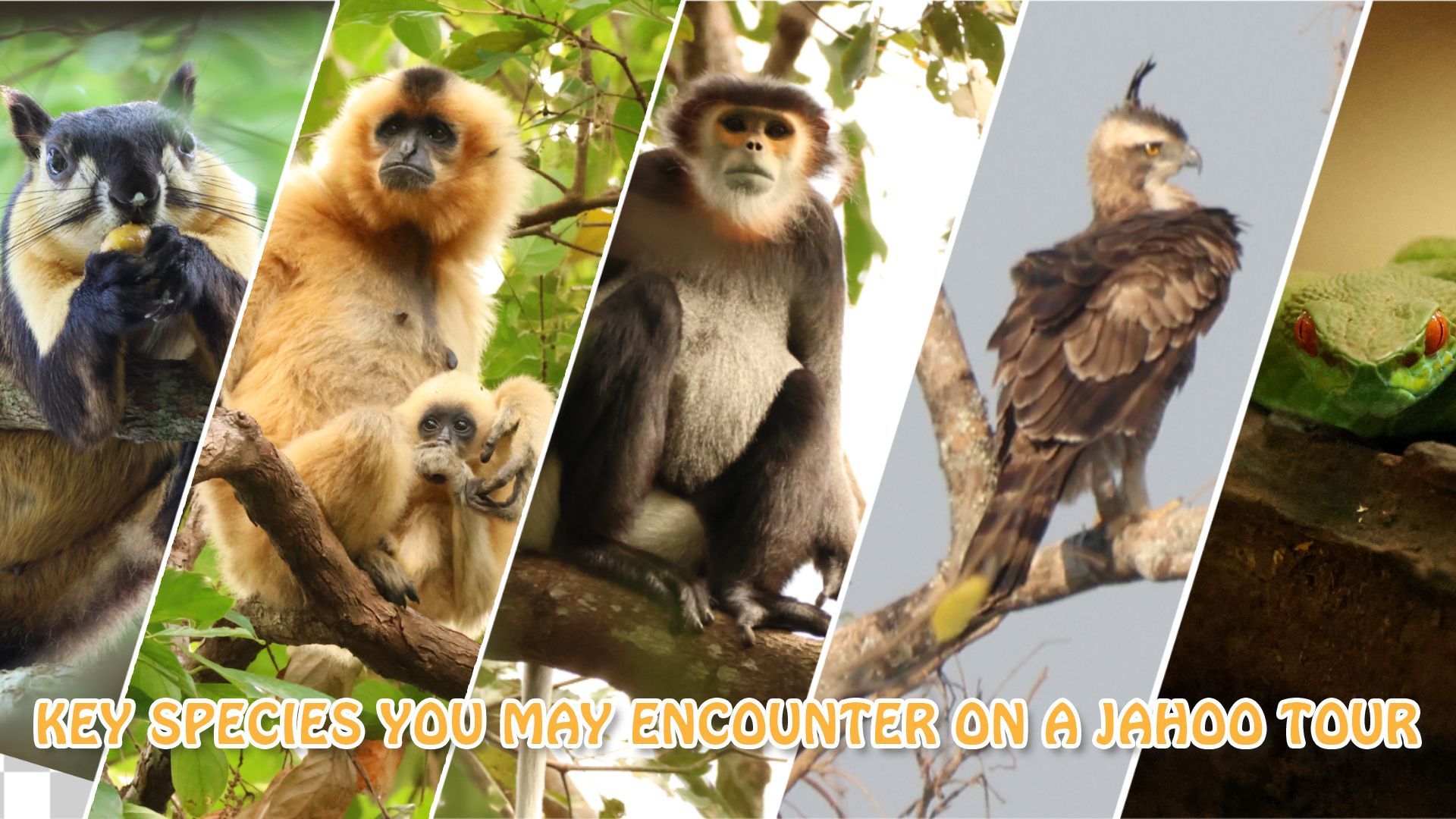
Jahoo tours take place deep inside Keo Seima Wildlife Sanctuary, a globally important forest known for its diversity of mammals and birds. Guided walks focus on observing wildlife ethically in its natural habitat, with sightings shaped by season, timing, and animal behaviour.
Related experience:
Explore Jahoo wildlife tours:https://www.gibbon.life/visit-us
Mammals You May Encounter
Jahoo is best known for its primate diversity, but the forest also supports a wide range of nocturnal and ground-dwelling mammals. Sightings vary, but guests may encounter:
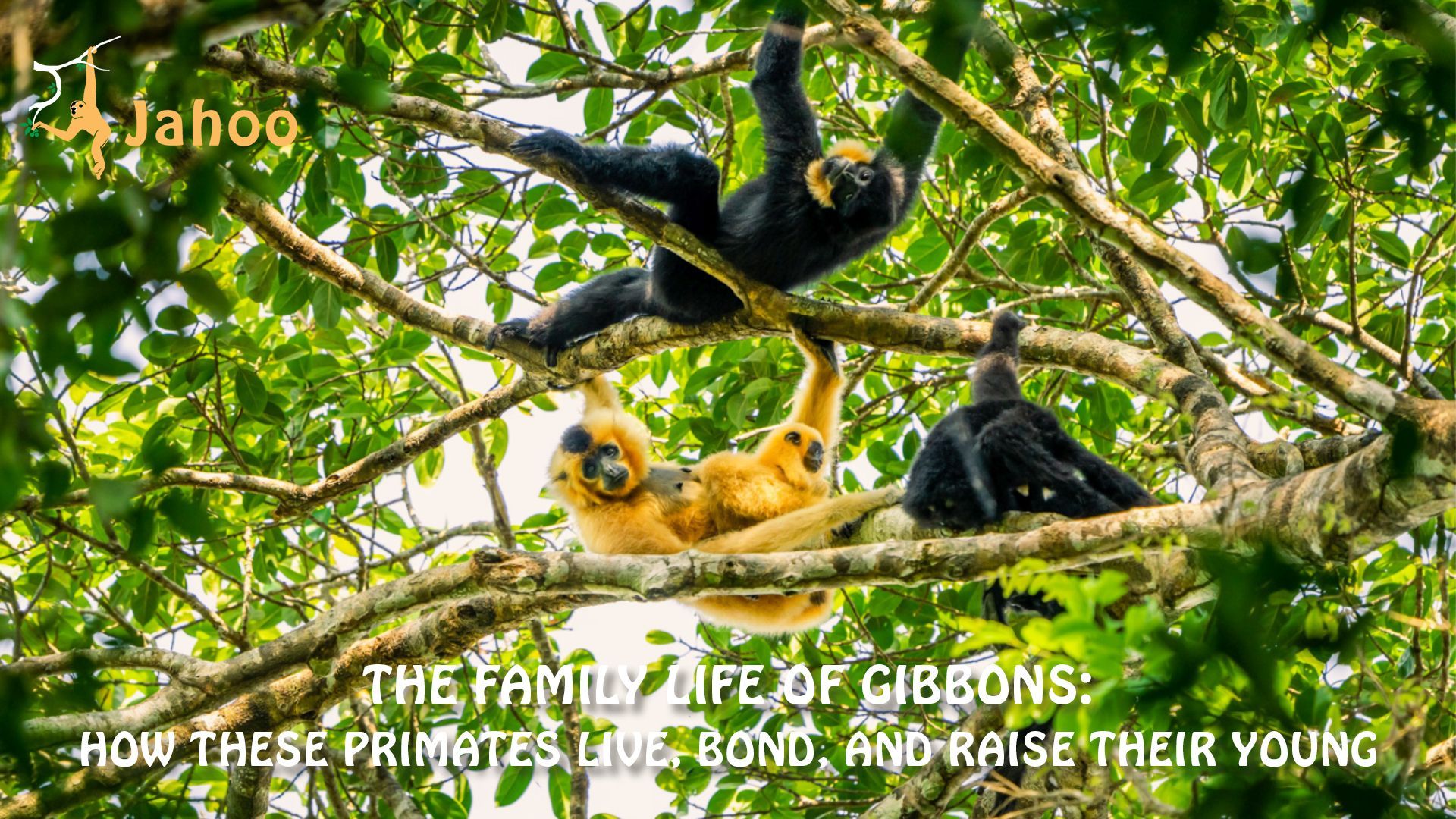
- Southern Yellow-cheeked Crested Gibbon
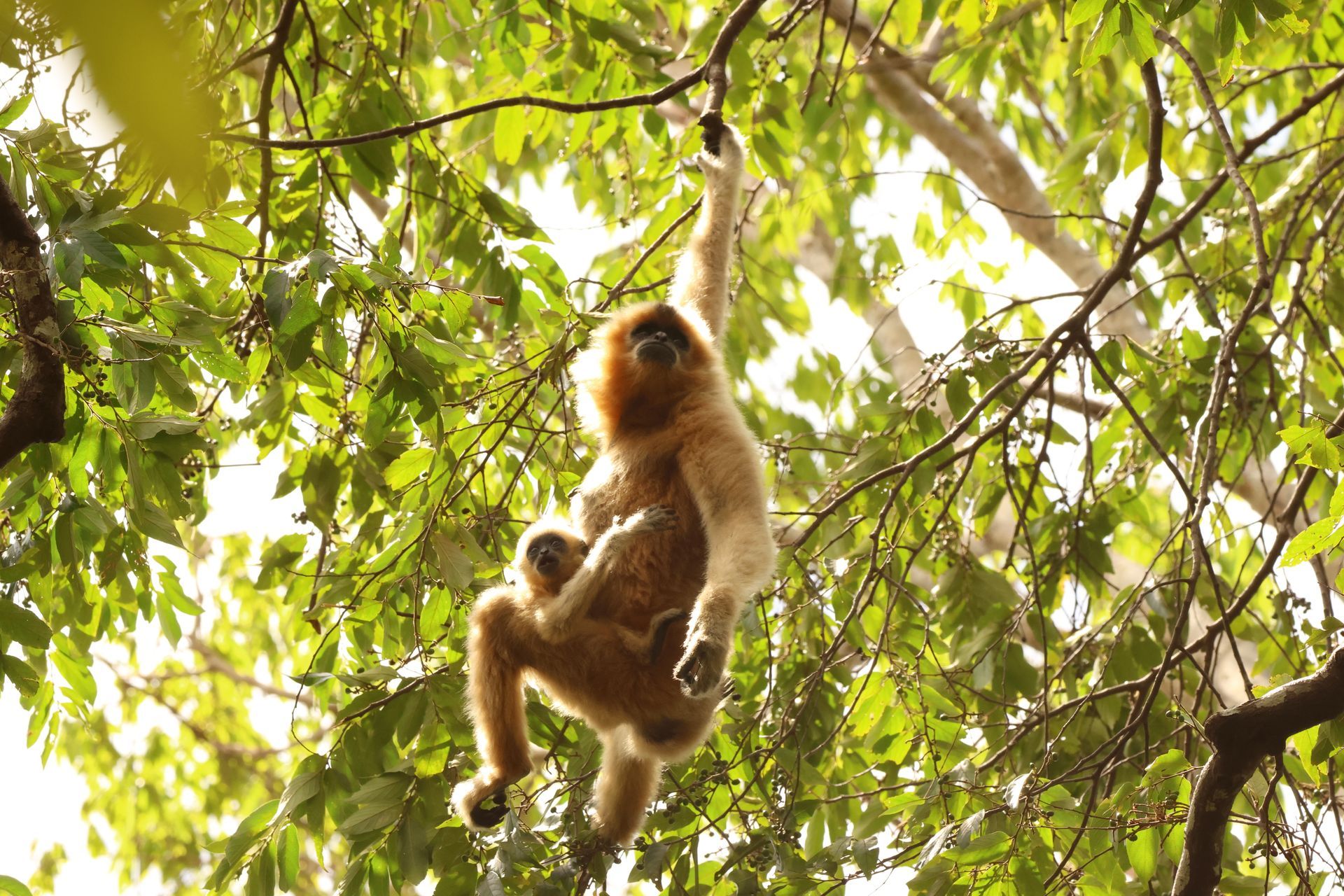
- Southern Yellow-cheeked Crested Gibbon
- Long-tailed Macaque
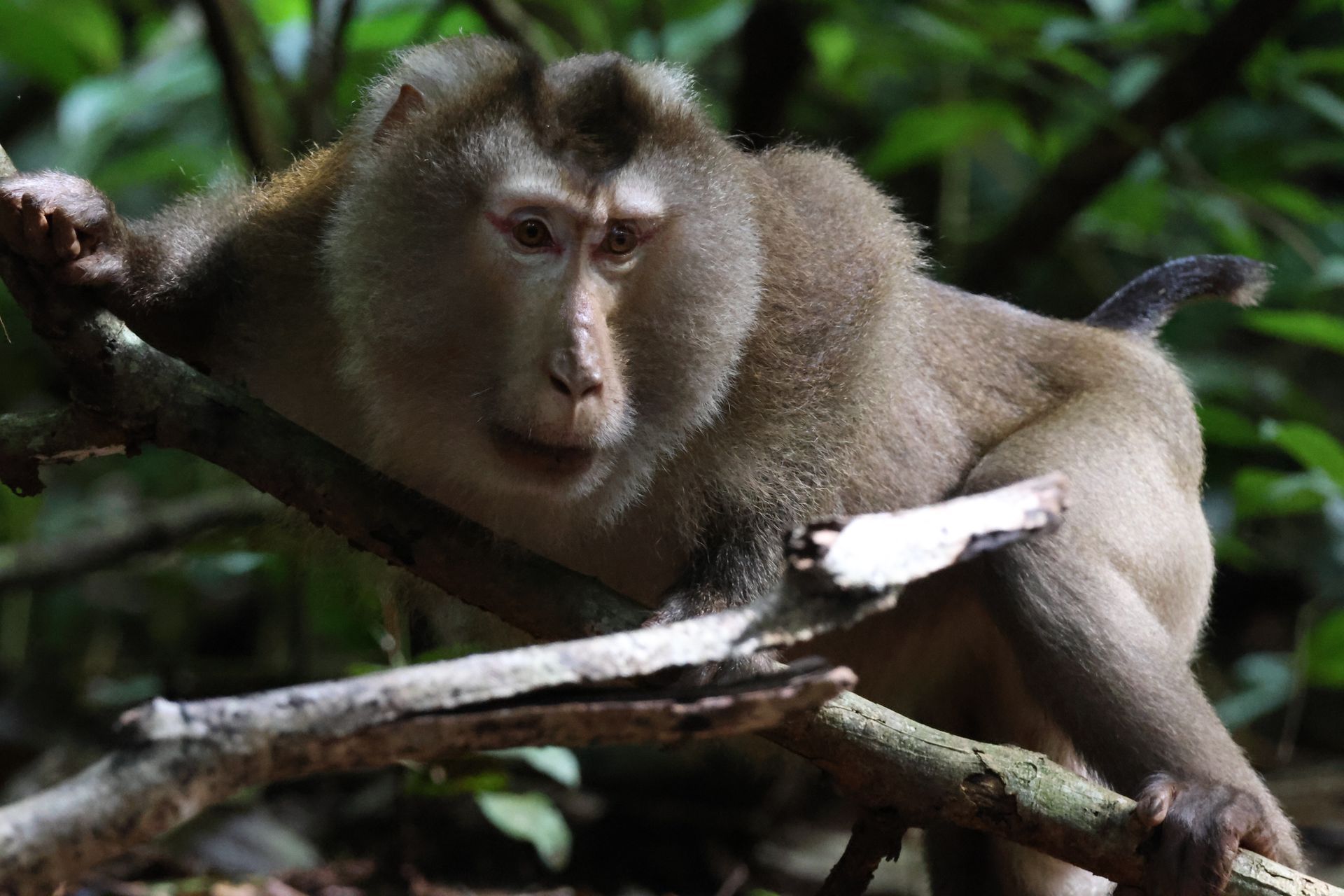
- Pig-tailed Macaque
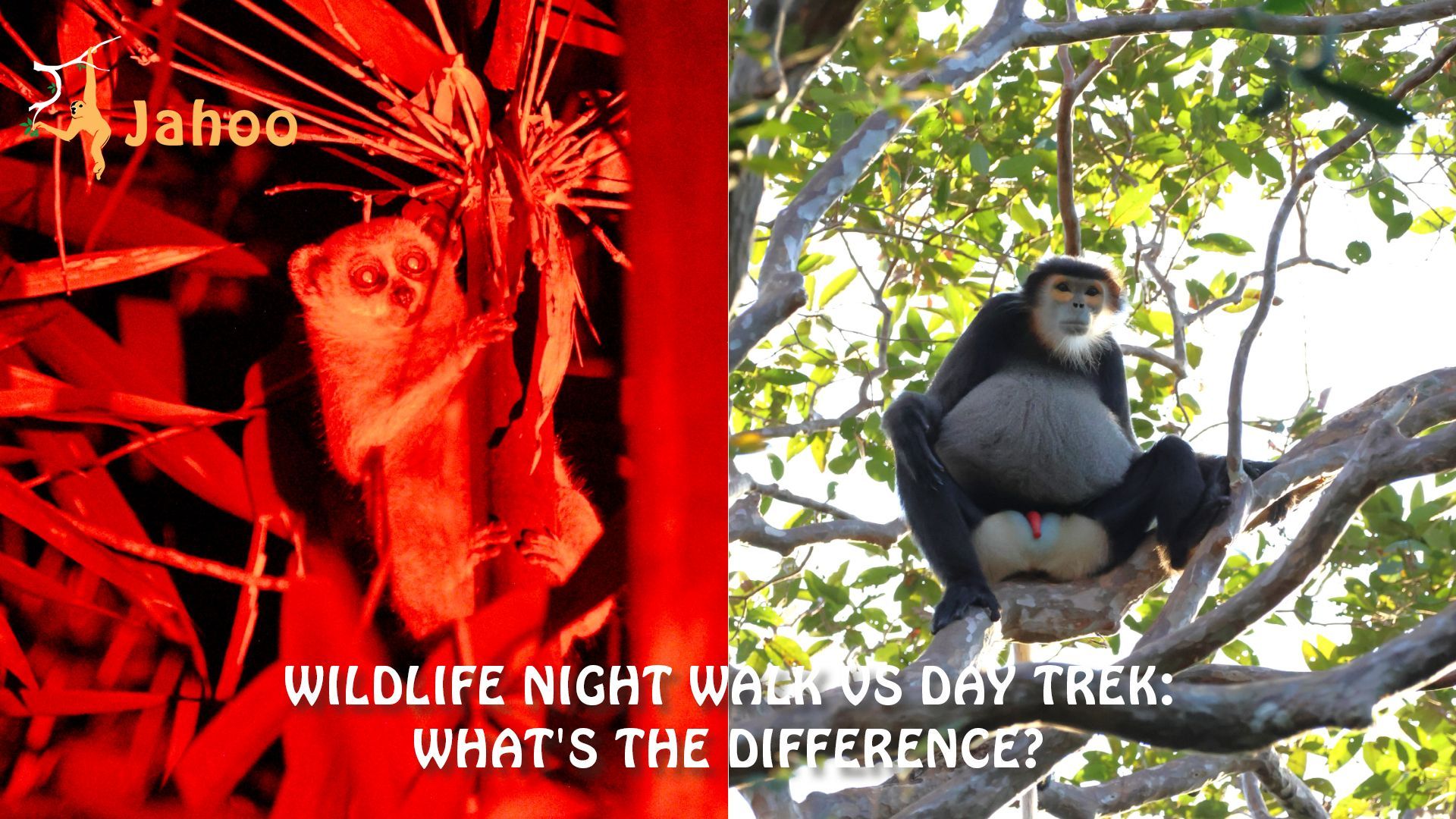
- Black-shanked Douc Langur
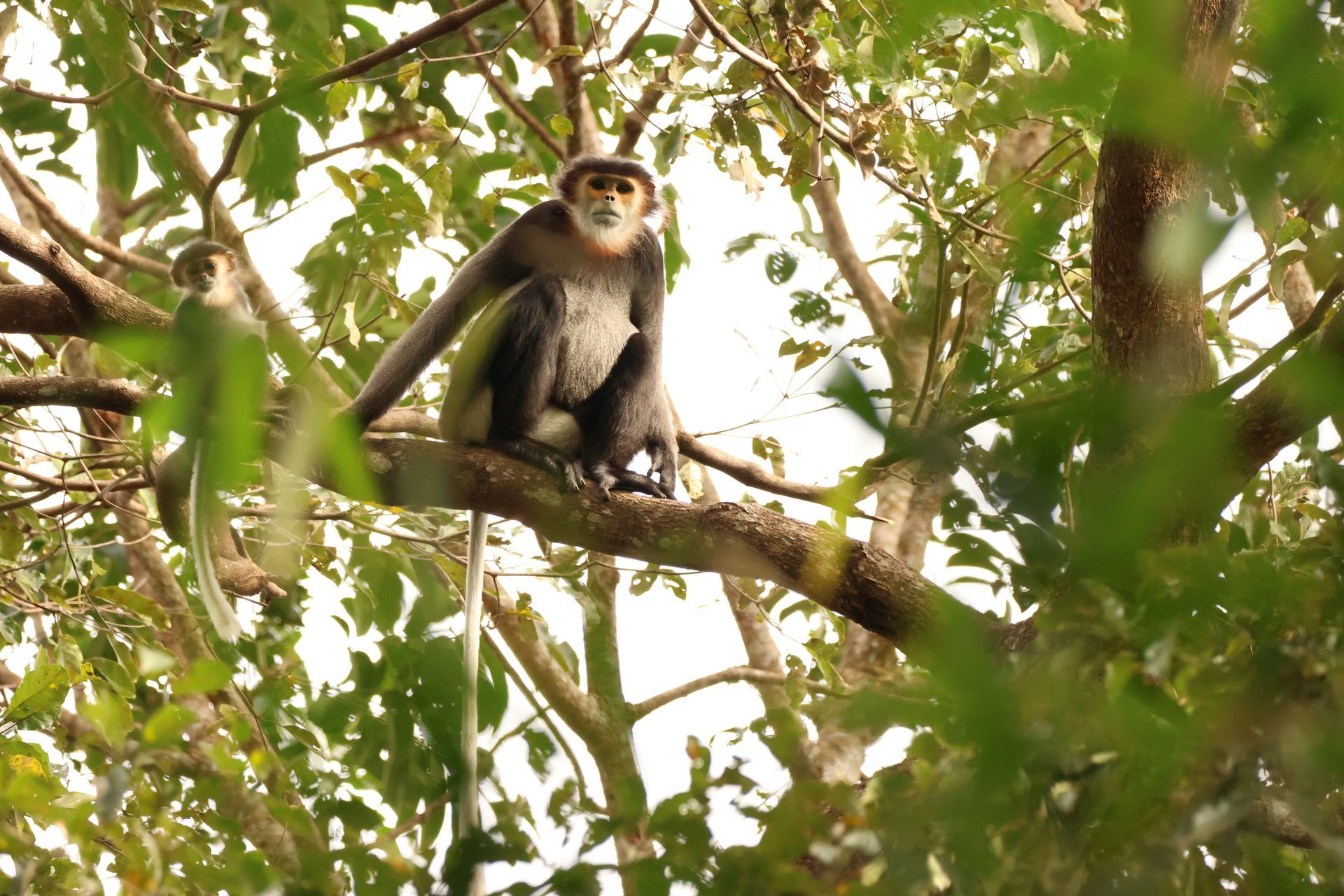
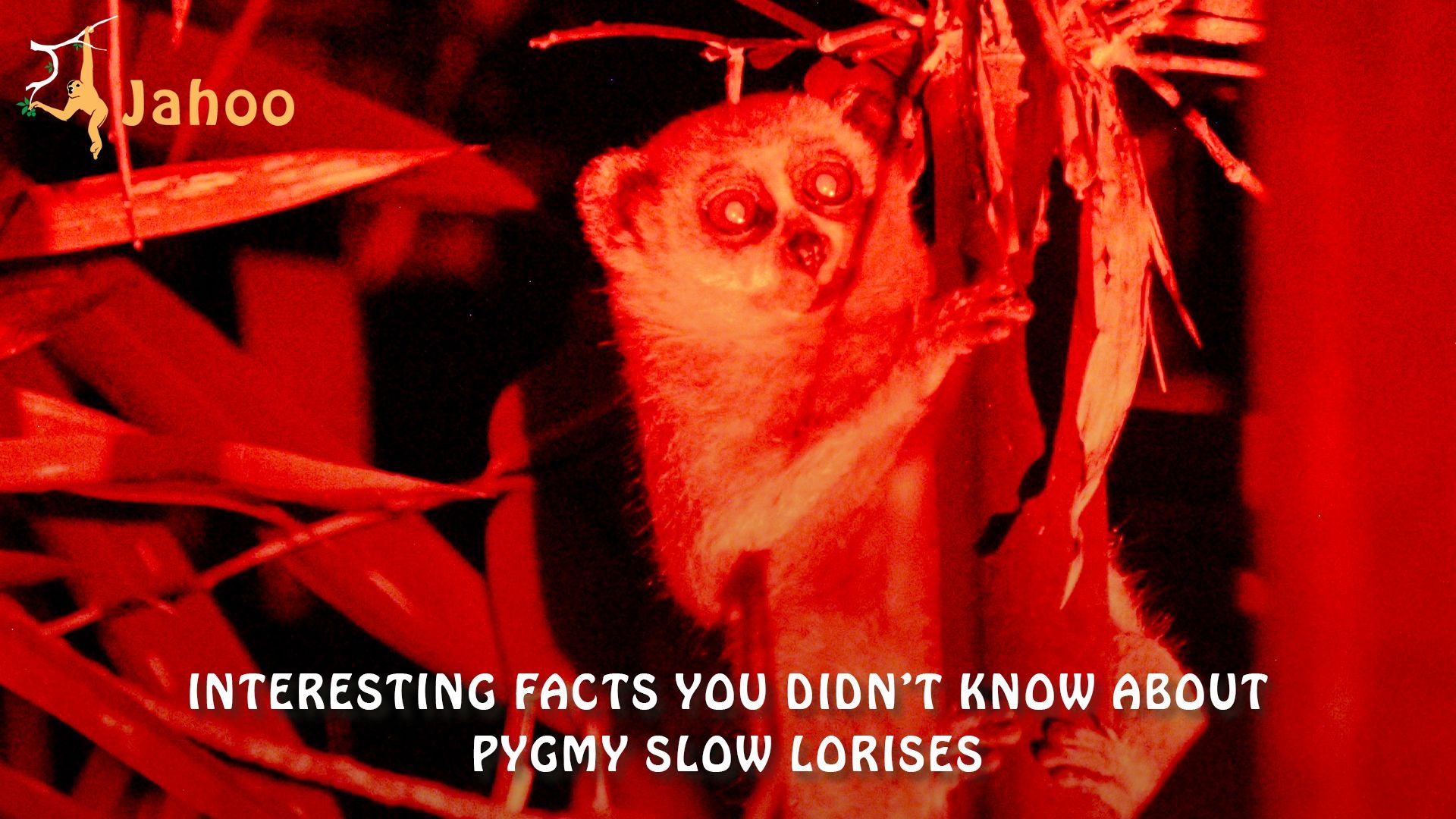
- Pygmy Slow Loris
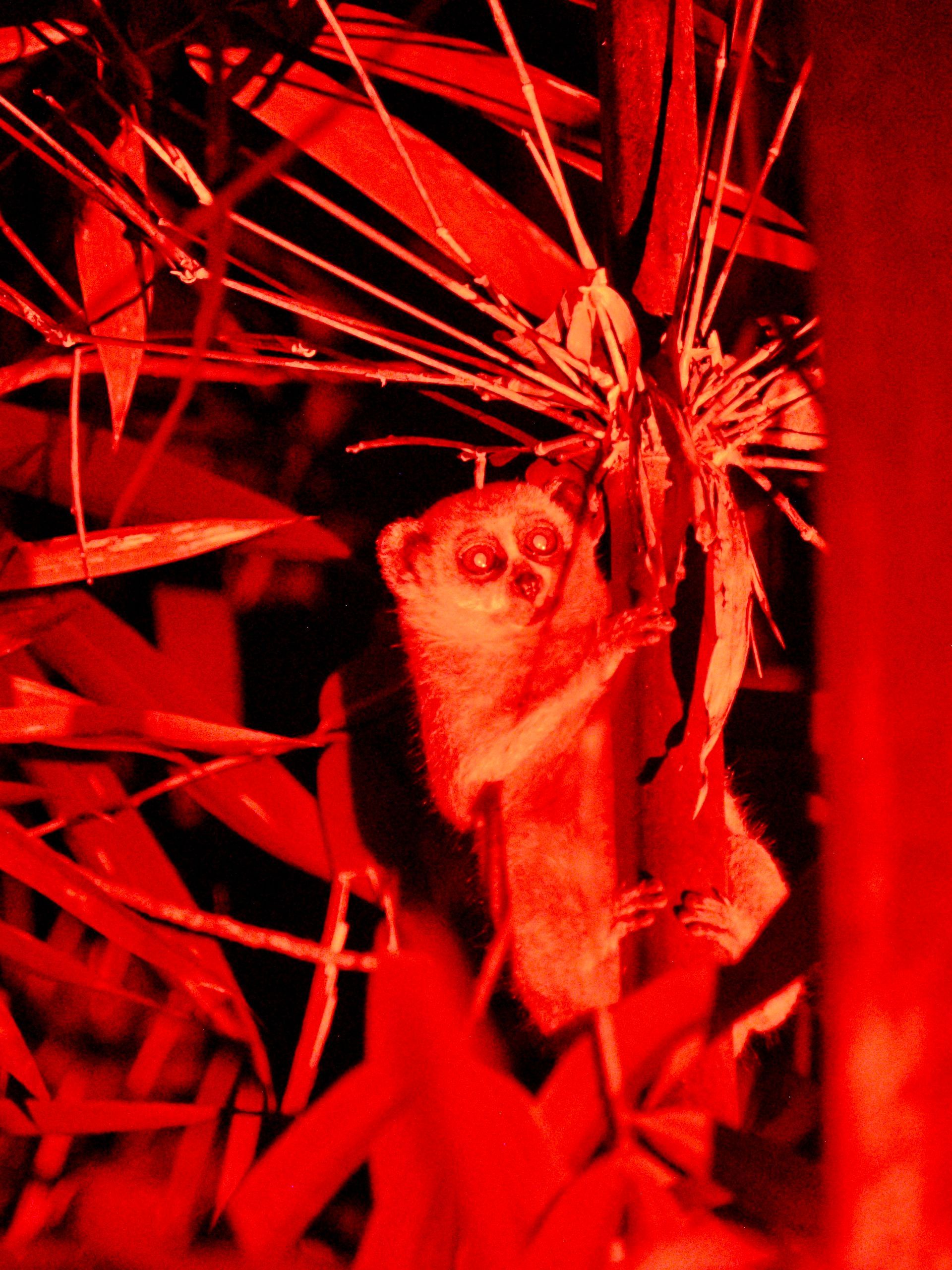
- Lesser Mouse Deer
- Black Giant Squirrel
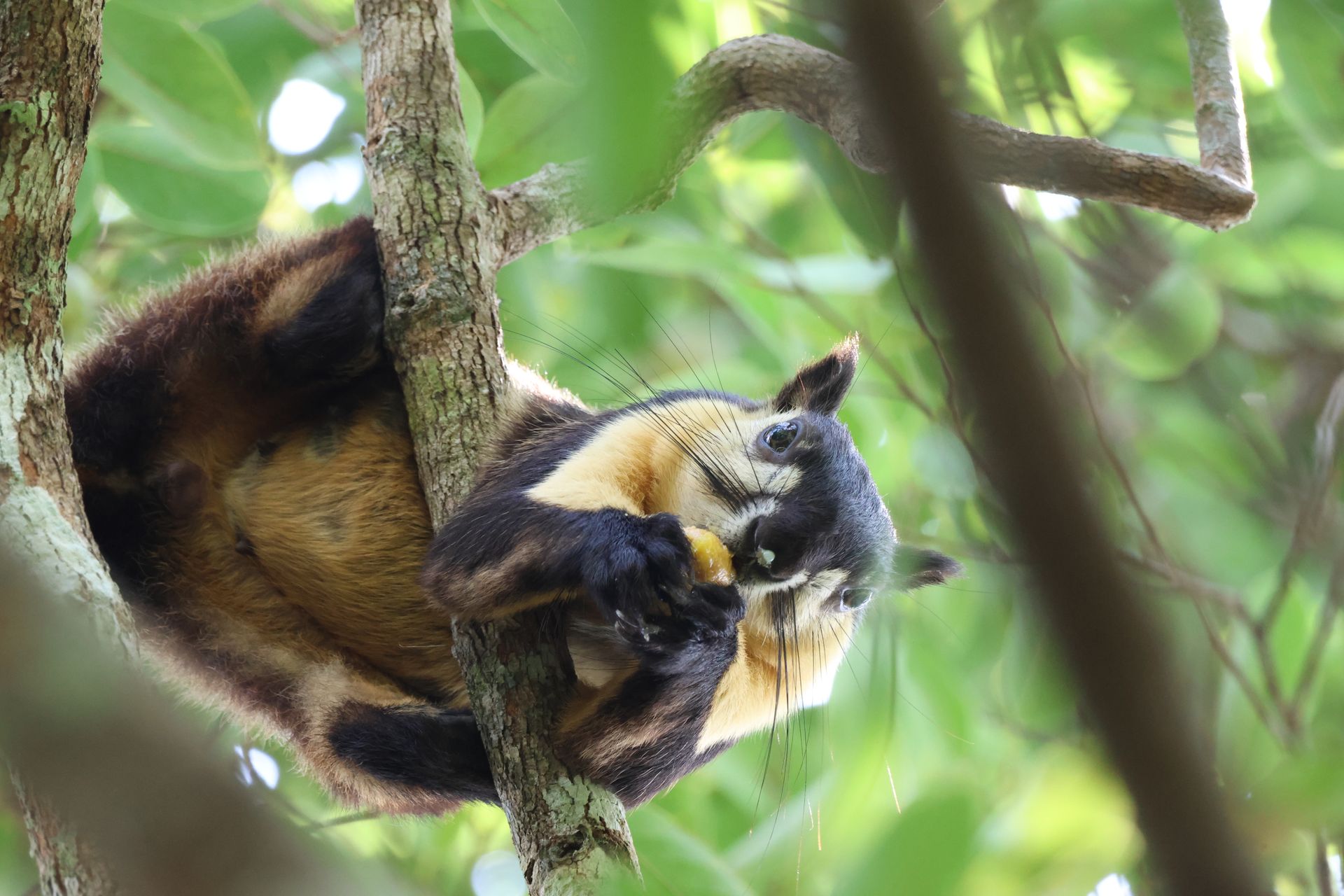
- Cambodian Striped Squirrel
- Yellow-throated Marten
- Small-toothed Palm Civit
- Masked Palm Civit
- Sunda Colugo
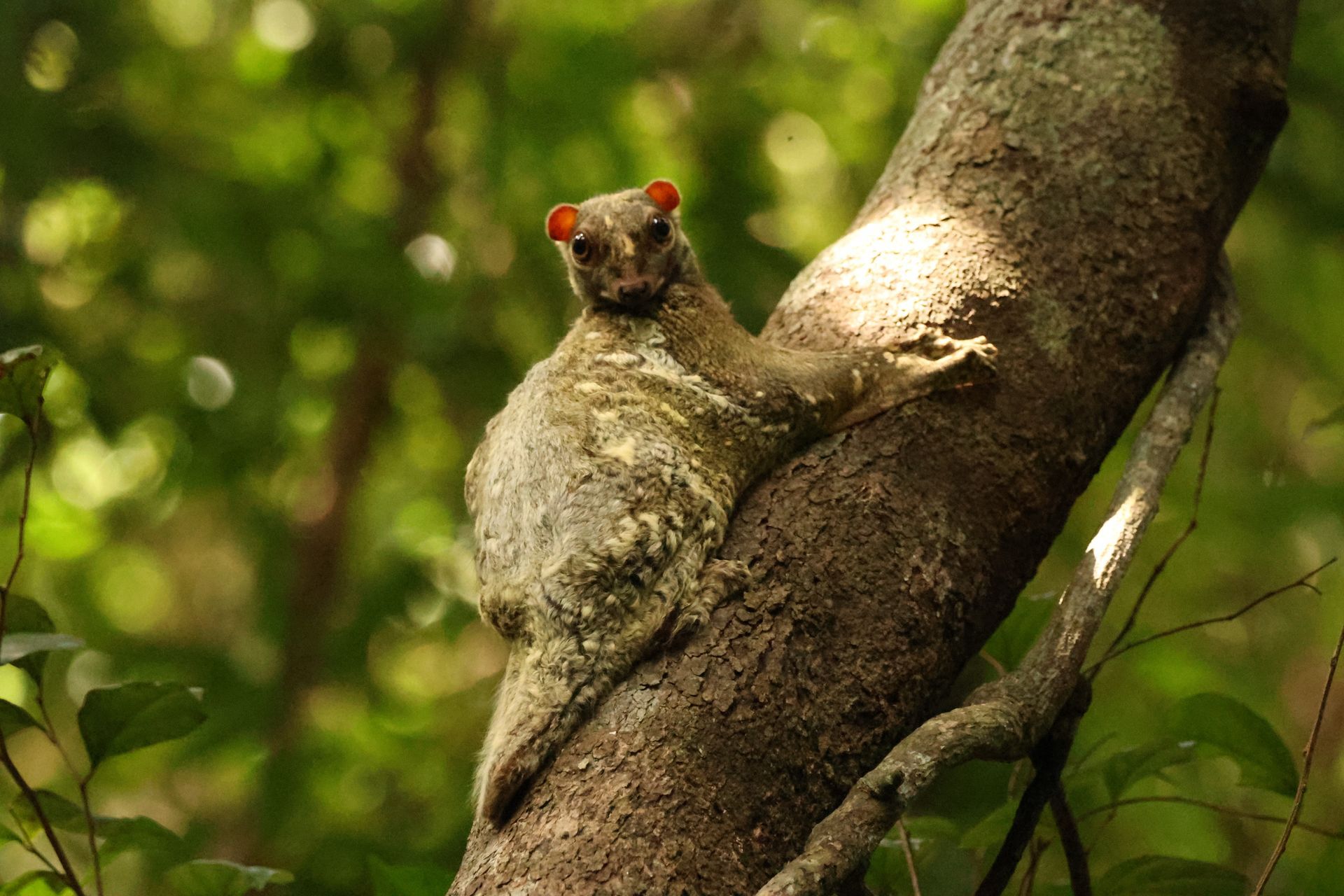
- Leopard Cat
- Red Giant Flying Squirrel
- Clouded Monitor Lizard
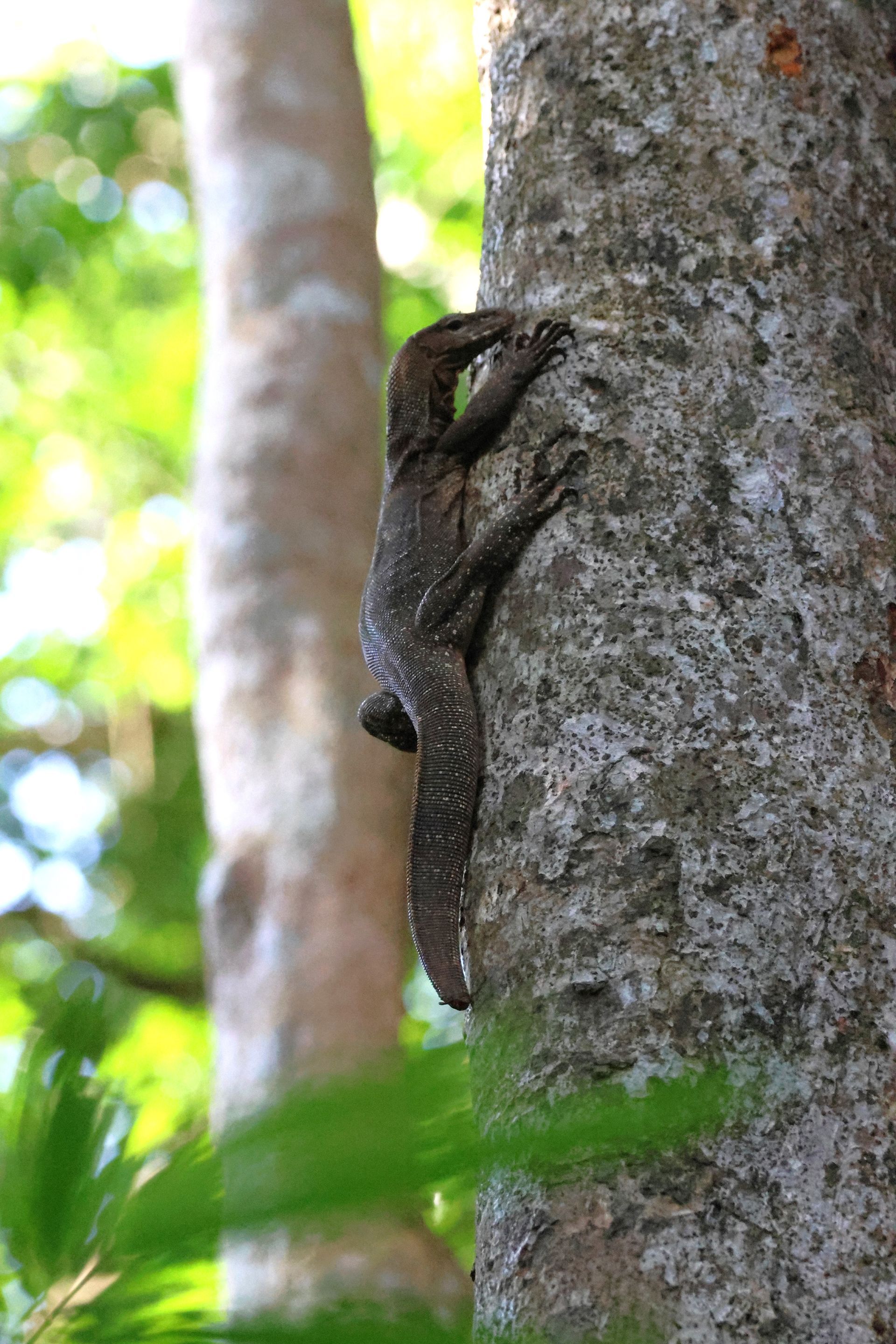
In addition to direct sightings, tracks and signs of larger mammals such as Red Muntjak and Sun Bear are often recorded along forest trails.
Bird Species Recorded Around Jahoo
The forests around Jahoo are exceptionally rich in birdlife, supporting both widespread and near-endemic species. Early mornings and quiet forest walks offer the best opportunities to observe birds such as:
- Germain’s Peacock-pheasant
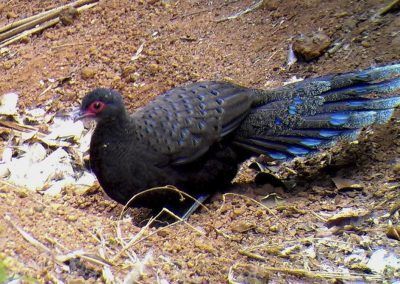
- Siamese Fireback
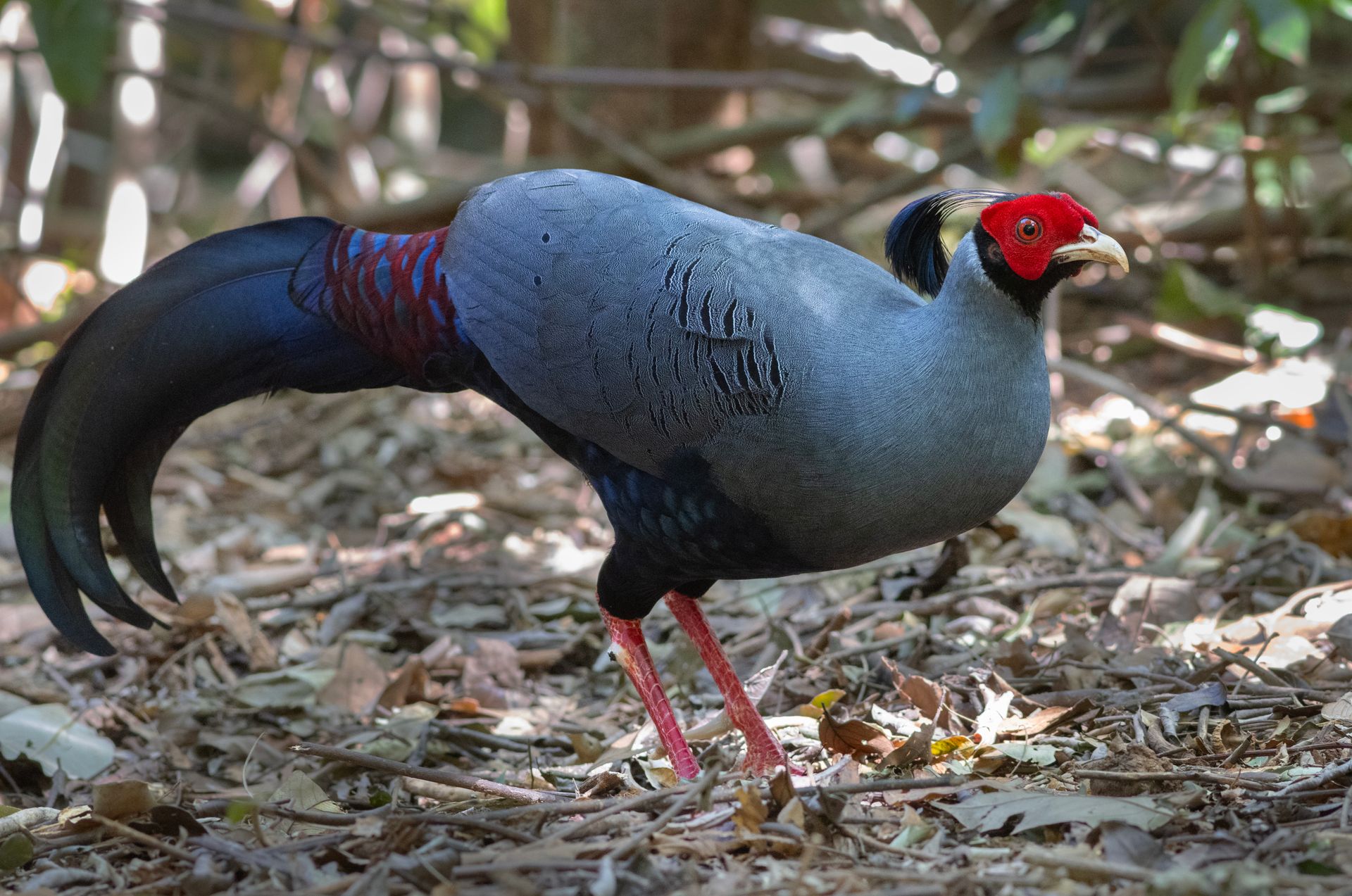
- Scaly-breasted Partridge
- Orange-necked Partridge
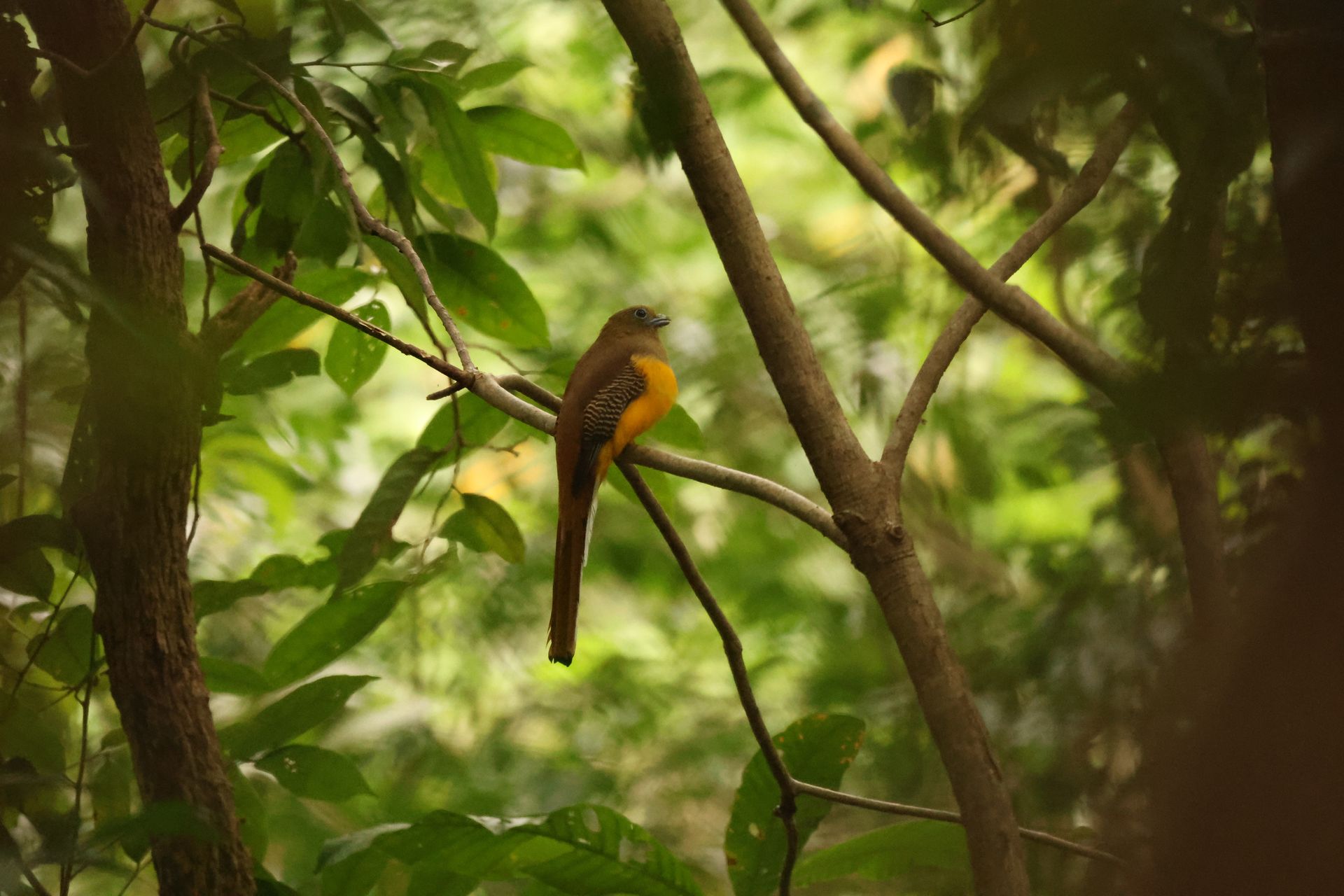
- Green Peafowl
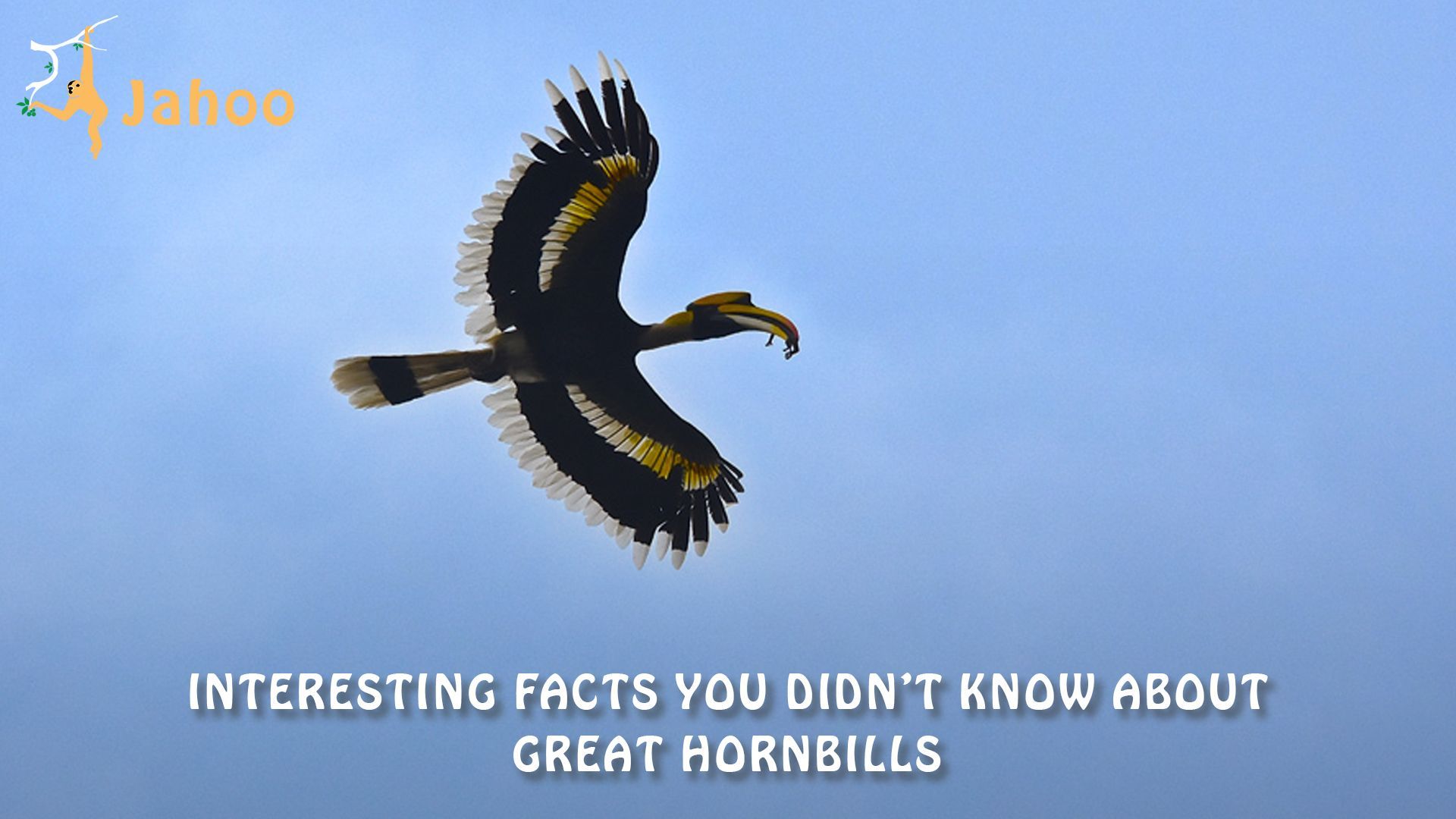
- Great Hornbill
- Bar-bellied Pitta
- Blue-rumped Pitta
- Grey-faced Tit Babbler
- Grey-eyed Bulbul
- Red-vented Barbet
- Green-eared Barbet
- Black-and-buff Woodpecker
- Pale-headed Woodpecker
- Banded Kingfisher
- Indochinese Barbet
- Banded Broadbill
- Dusky Broadbill
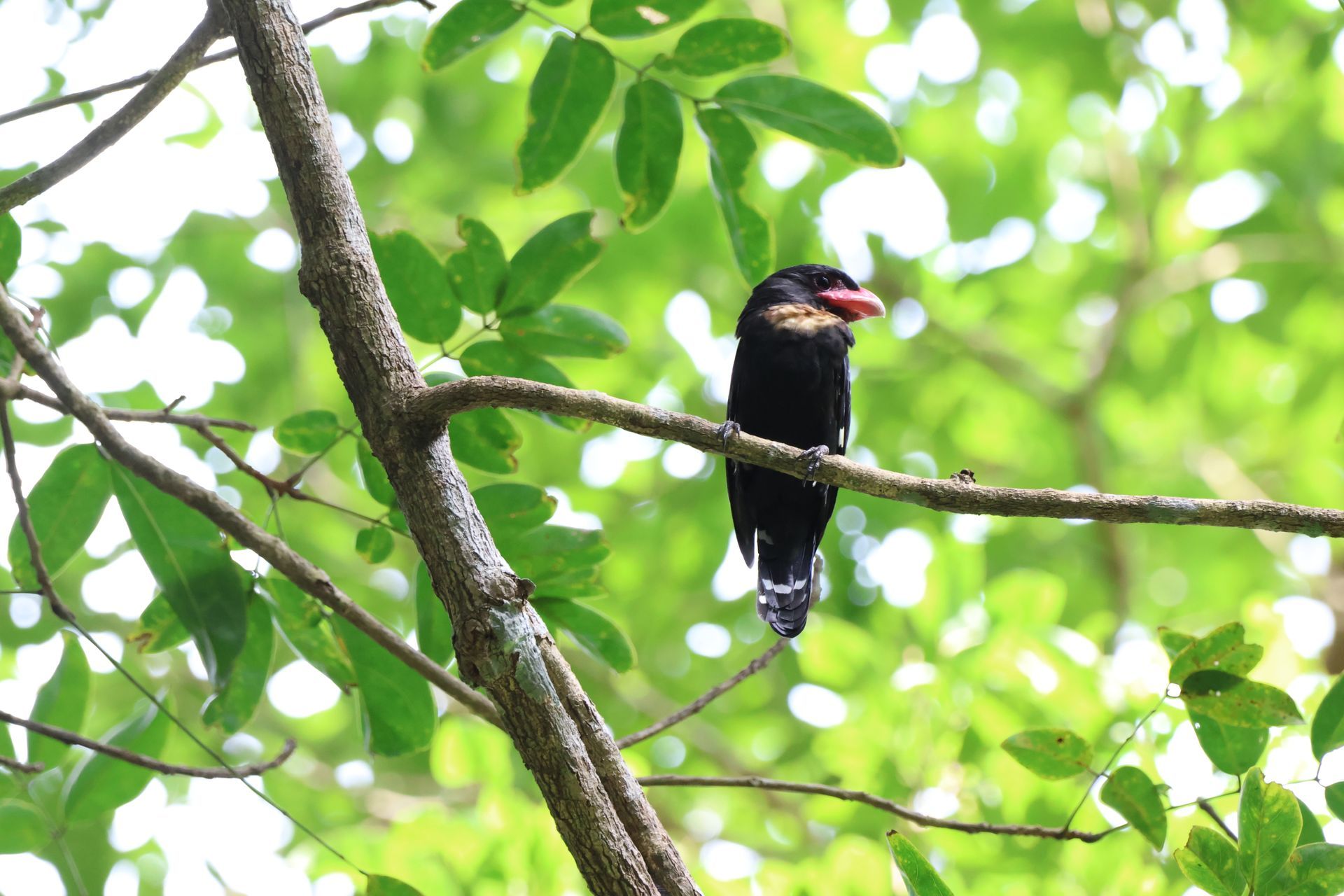
Bird activity changes throughout the day, with mixed-species flocks and calling birds often revealing species before they are seen.
Habitats That Support This Diversity
The wildlife seen on Jahoo tours is supported by a mosaic of habitats, including towering semi-evergreen forest, dense bamboo groves, and shaded stream corridors leading to hidden waterfalls. These environments allow tree-dwelling primates, ground birds, reptiles, and nocturnal mammals to coexist within a single landscape.
Because the forest remains largely intact, animals follow natural movement patterns rather than concentrating around human activity.
What to Expect on a Jahoo Tour
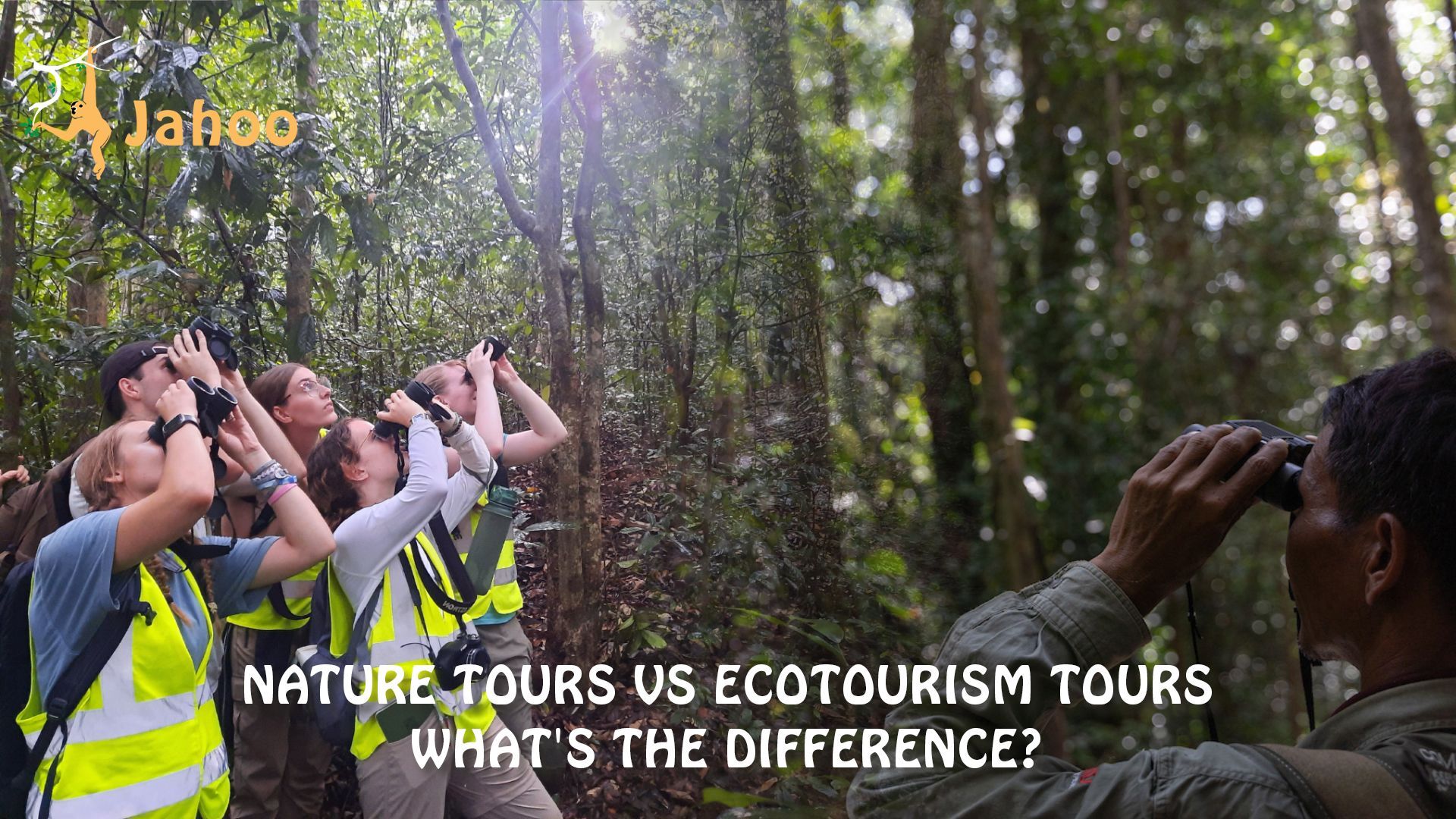
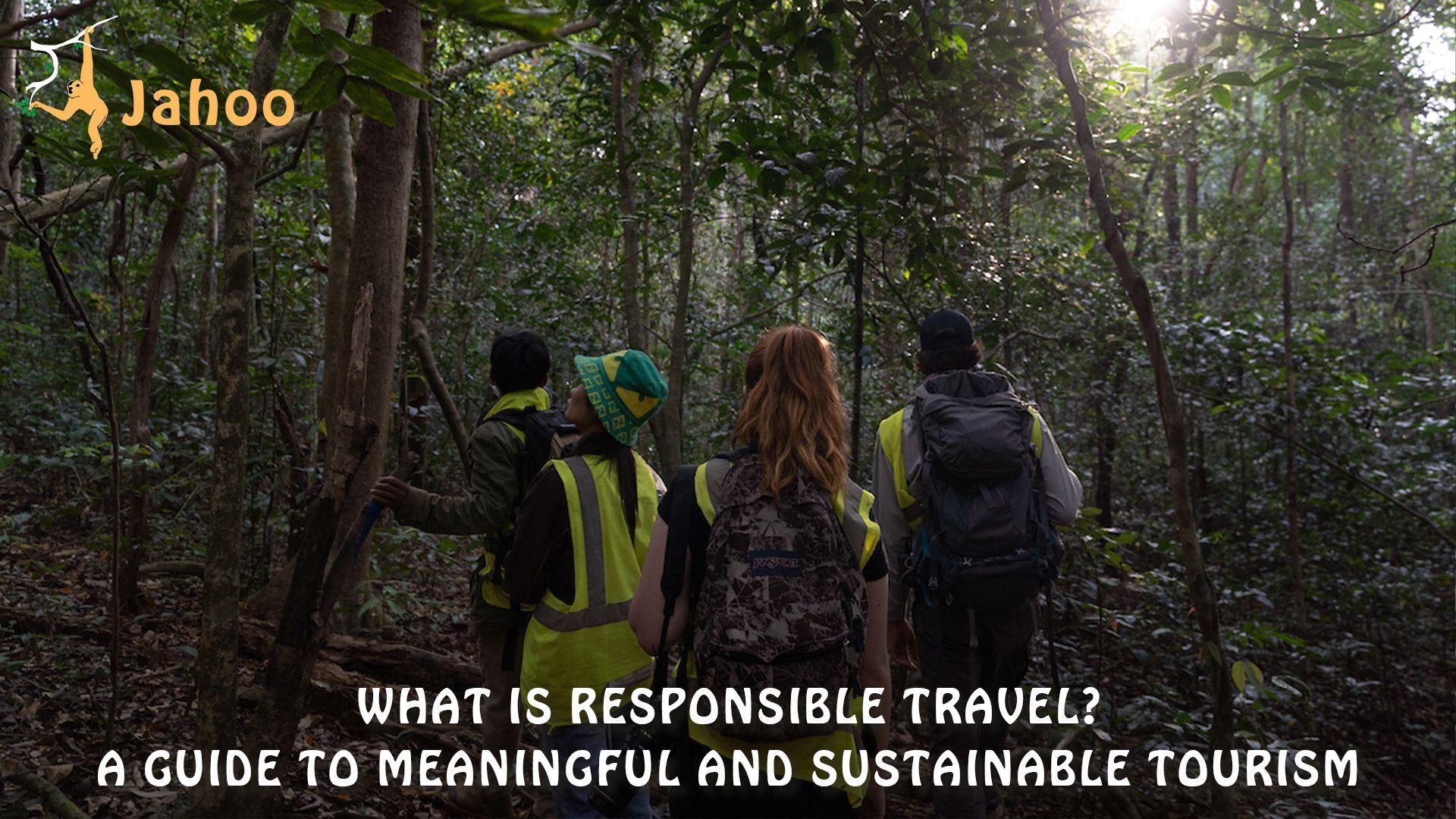
Wildlife encounters at Jahoo are never guaranteed. Instead, tours emphasize patience, observation, and learning how to read the forest. Guests may see animals directly, hear calls overhead, or learn to identify tracks, feeding signs, and movement routes.
This approach reflects real field conditions and ensures minimal disturbance to wildlife while offering an authentic forest experience.