Why Keo Seima Wildlife Sanctuary Is One of the Best Places to See Gibbons
Why Keo Seima Wildlife Sanctuary Is One of the Best Places to See Gibbons
Located in
Mondulkiri Province, eastern Cambodia,
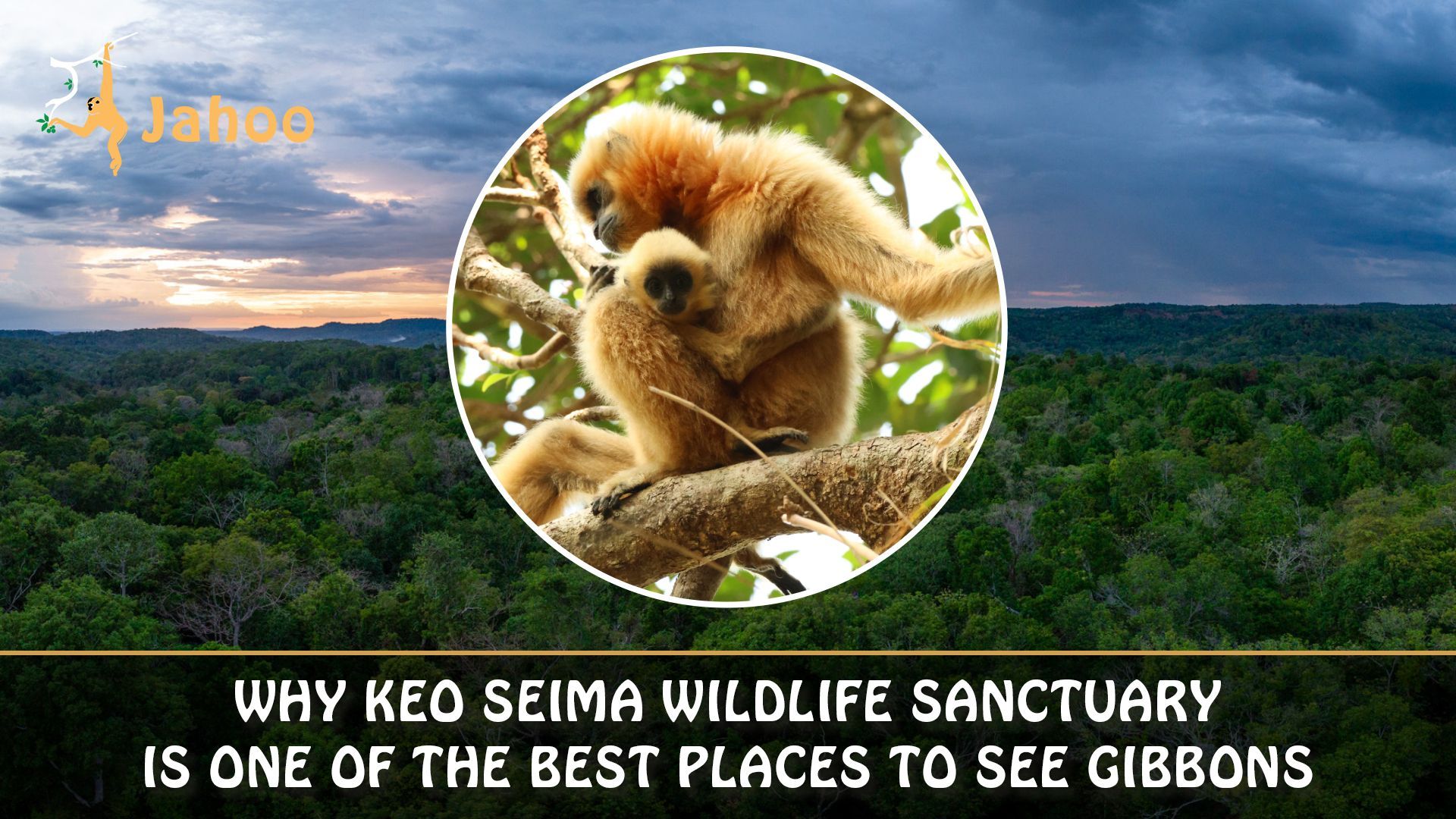
Keo Seima Wildlife Sanctuary is recognized as one of the most important remaining strongholds for the endangered
Southern Yellow-cheeked Crested Gibbon.
Its vast forest cover, ecological integrity, and long-term protection make it one of the best places in Southeast Asia to experience gibbons in their natural habitat.
Related reading:
Large, Intact Forest, A Critical Requirement for Gibbons
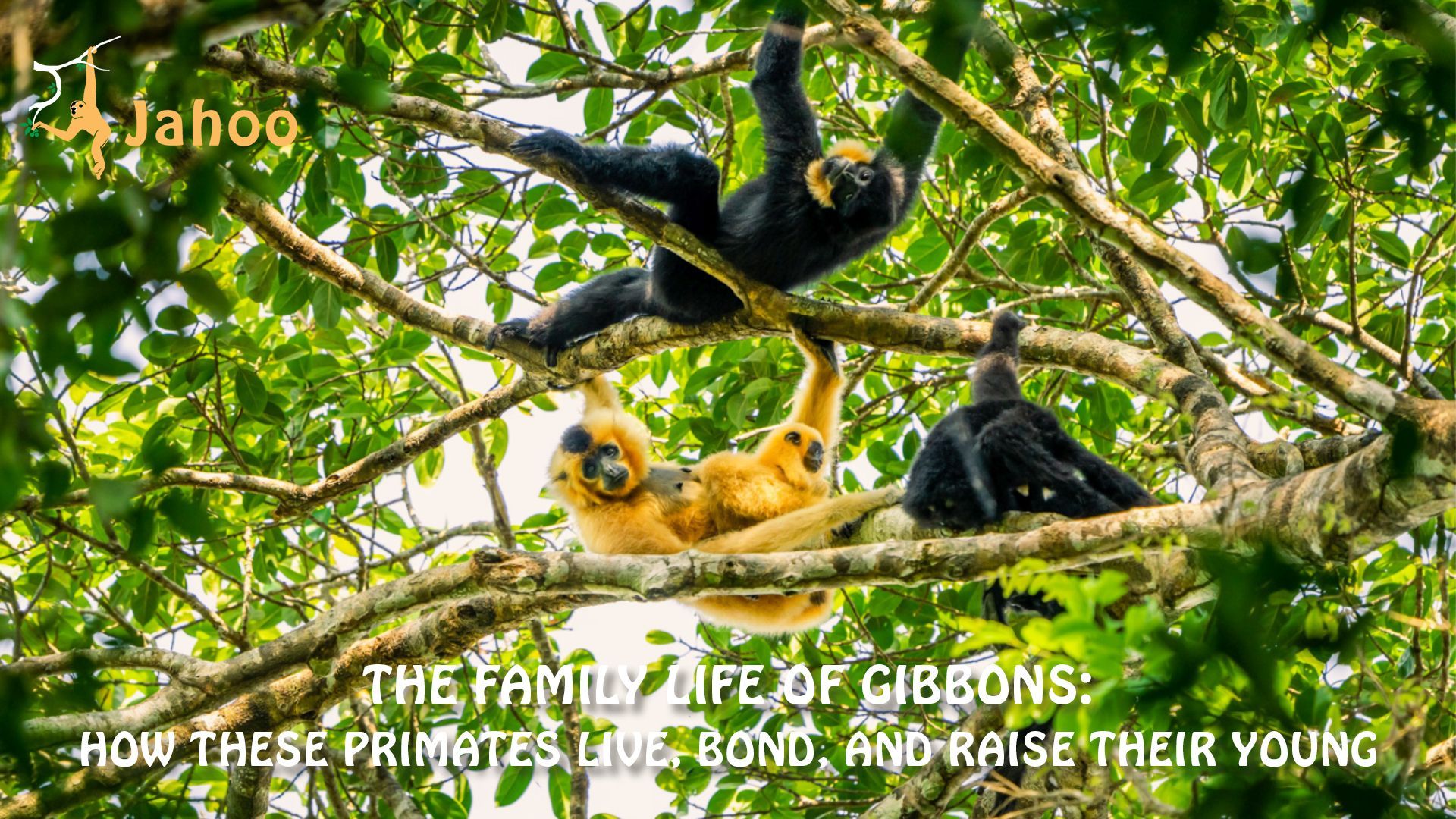
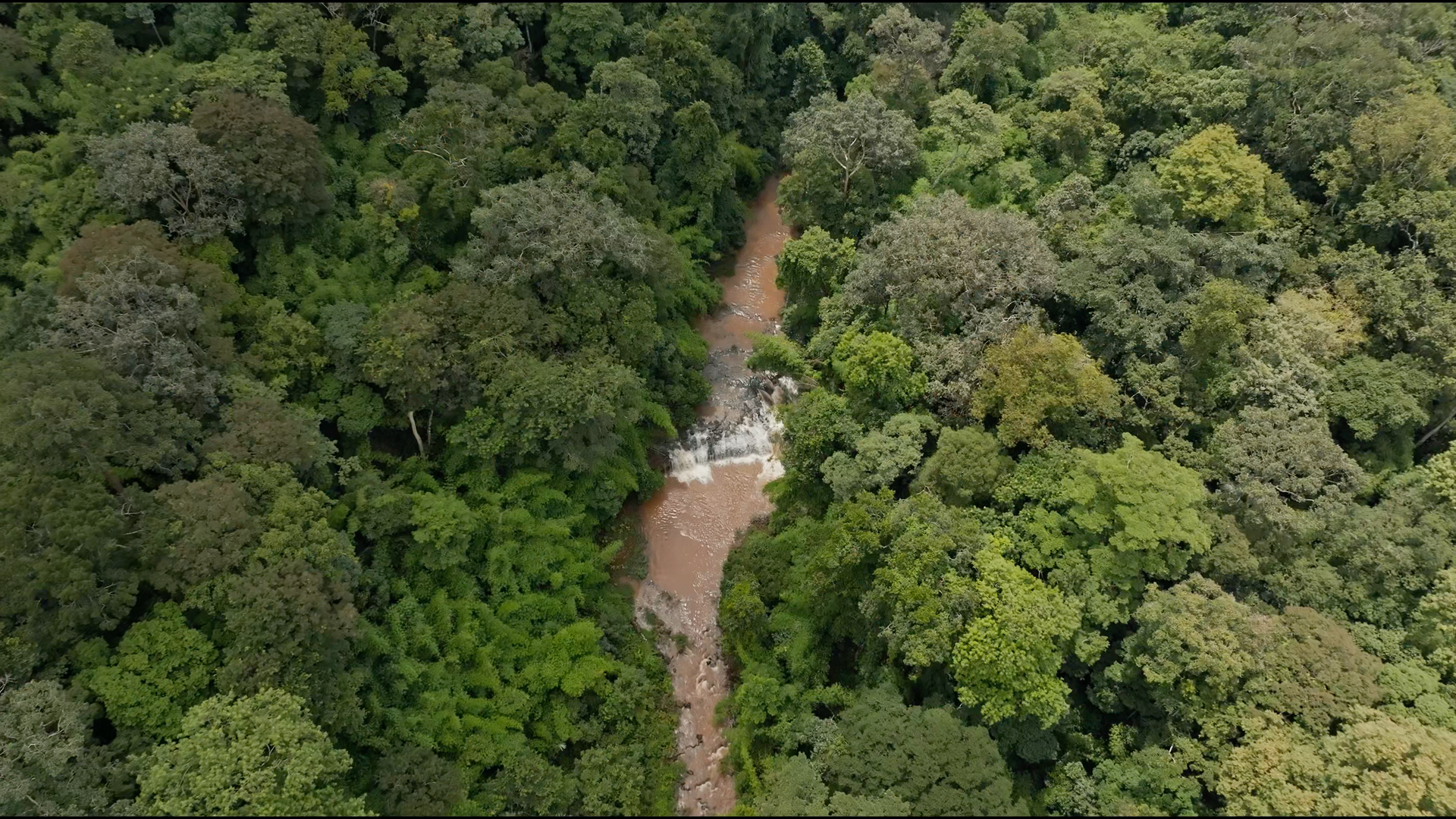
Gibbons depend on large, continuous forest canopies to survive. Unlike many primates, they rarely descend to the ground and require connected treetops to travel, feed, and raise their young.
Keo Seima Wildlife Sanctuary protects a wide expanse of semi-evergreen and evergreen forest in Mondulkiri, allowing gibbon families to maintain natural territories and behaviours. A key reason they continue to thrive here.
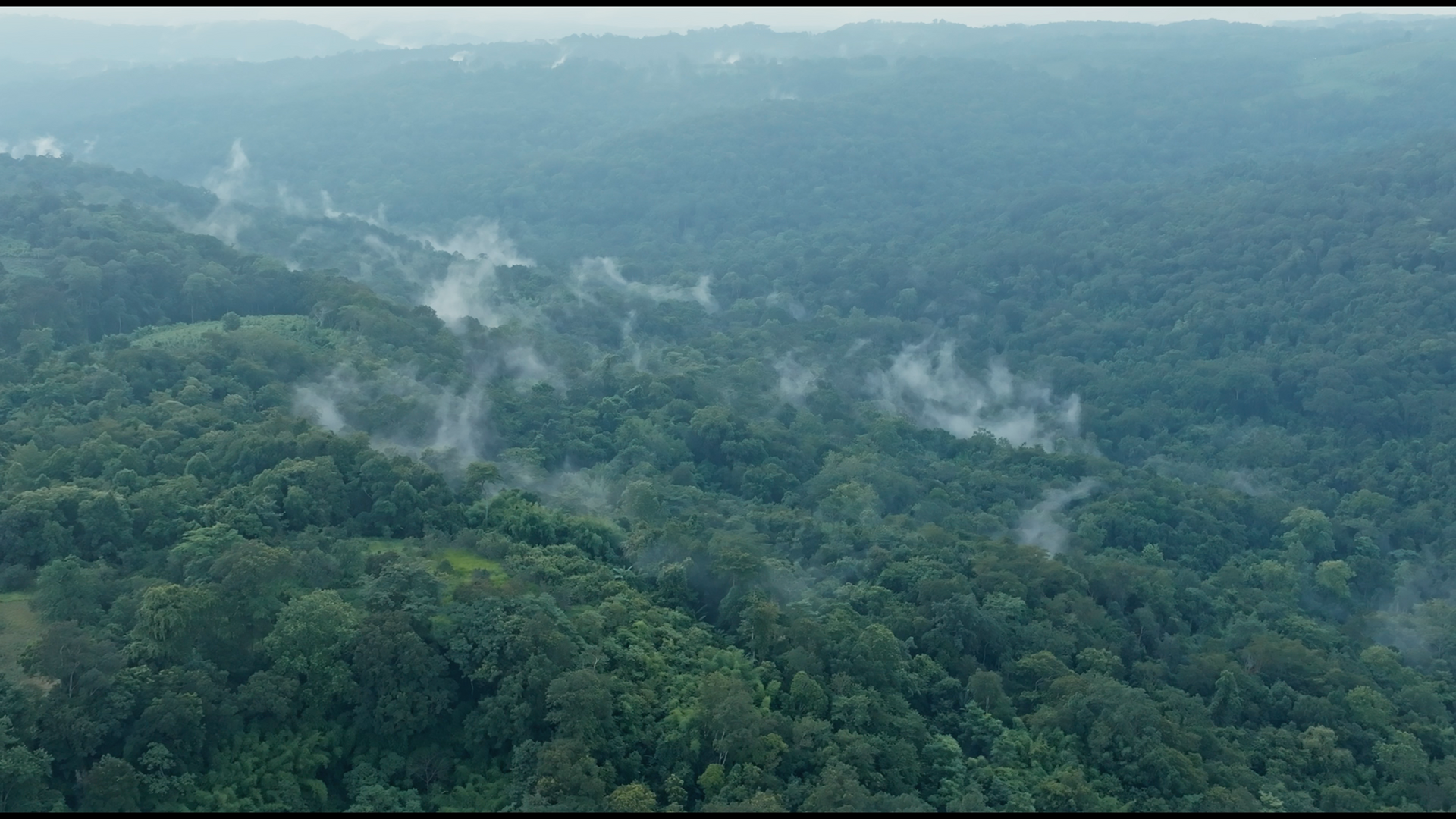
One of the World’s Most Important Gibbon Habitats
Keo Seima is internationally recognized for supporting one of the largest remaining populations of Southern Yellow-cheeked Crested Gibbons. Long-term research and monitoring have taken place here for years, contributing valuable knowledge about gibbon behaviour, social structures, and conservation needs.
This sustained focus ensures that gibbons in Keo Seima are protected through informed, science-based conservation.
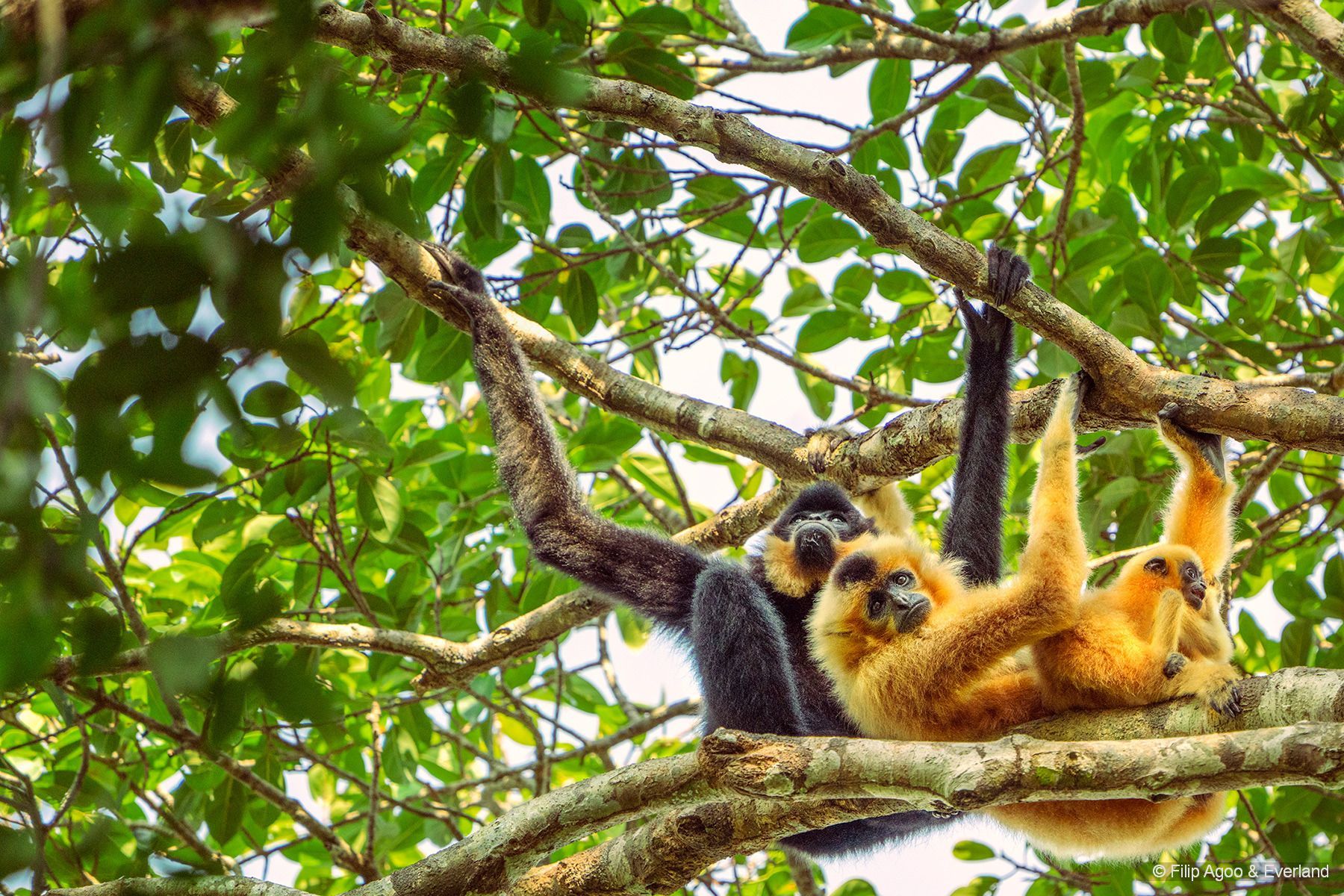
More Than Gibbons: Key Species You May Encounter
While gibbons are the heart of Keo Seima’s wildlife experience, the forest supports an exceptional diversity of other species. Encounters vary by season, timing, and luck, but visitors may also observe or hear many of the following animals.
Mammals
- Black-shanked Douc Langur
- Northern Pig-tailed Macaque
- Long-tailed Macaque
- Sunda Colugo
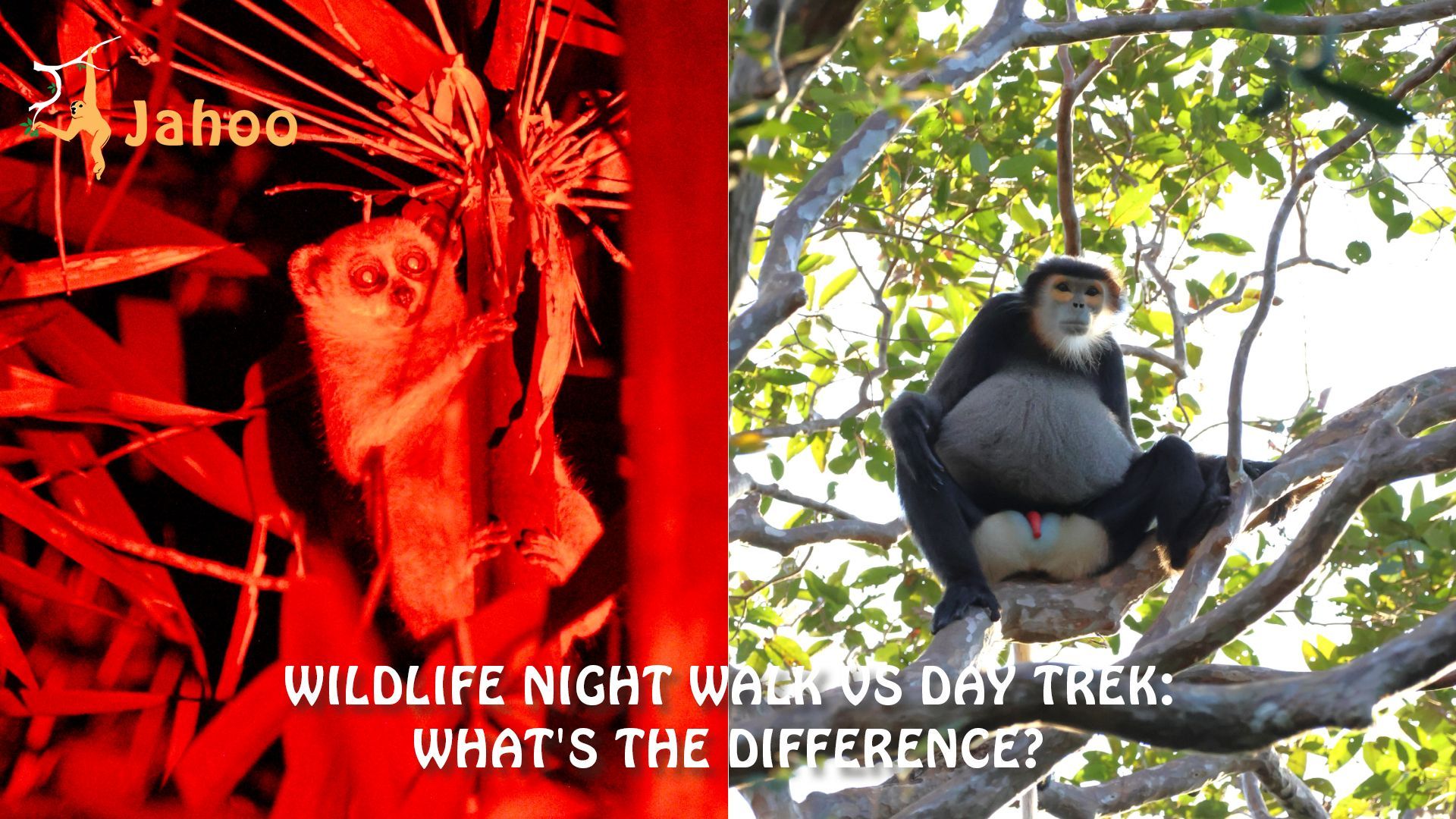
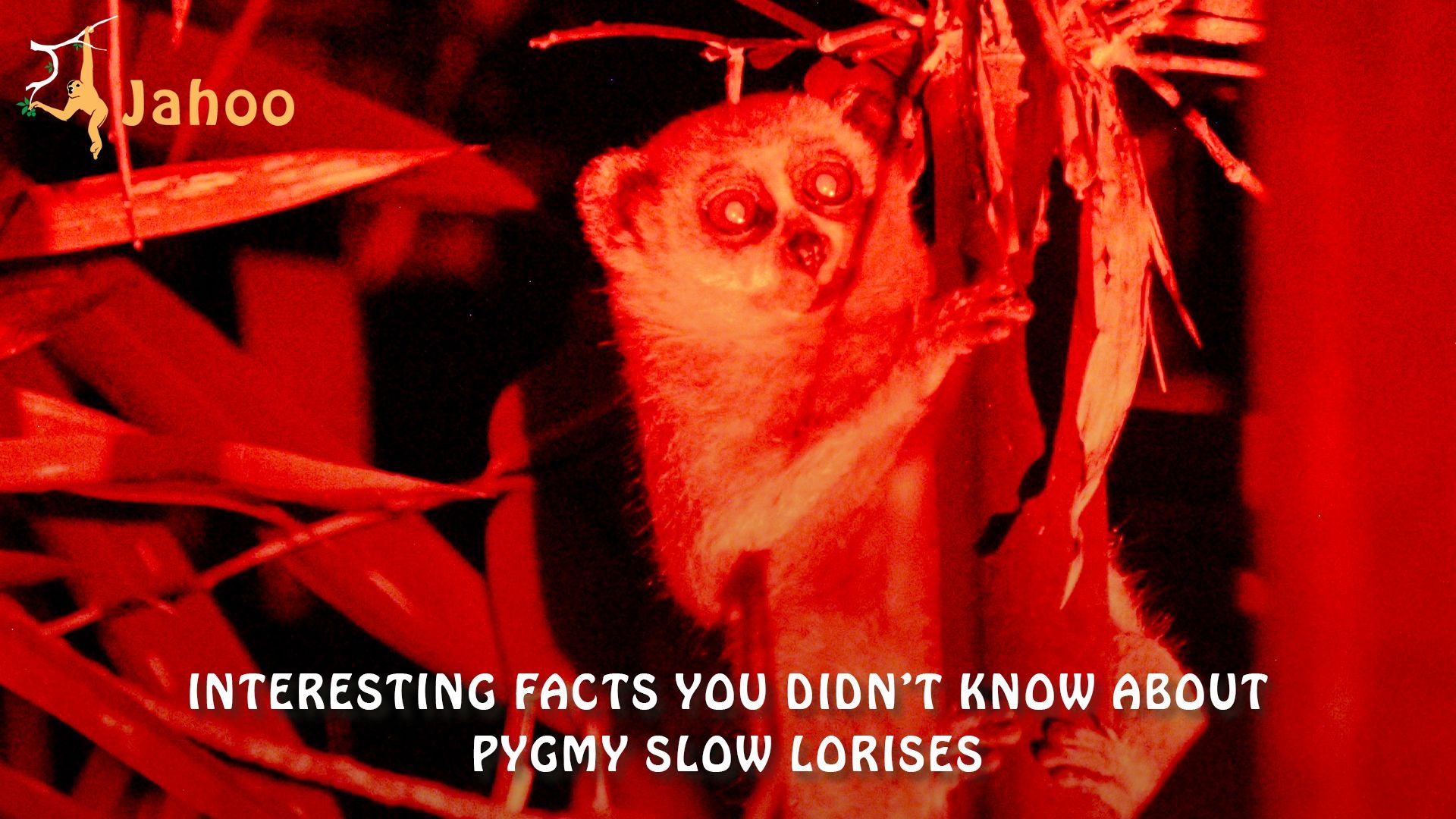
- Pygmy Slow Loris
- Lesser Mouse Deer
- Black Giant Squirrel
- Yellow-throated Marten
- Masked Palm Civet
- Small-toothed Palm Civet
- Leopard Cat (rare)
- Clouded Monitor Lizard
Tracks and signs of Red Muntjak, Sun Bear and Asian Elephants are sometimes recorded along forest trails.
Birdlife
Keo Seima Wildlife Sanctuary is one of Cambodia’s most important bird areas, supporting both widespread and near-endemic species, including:
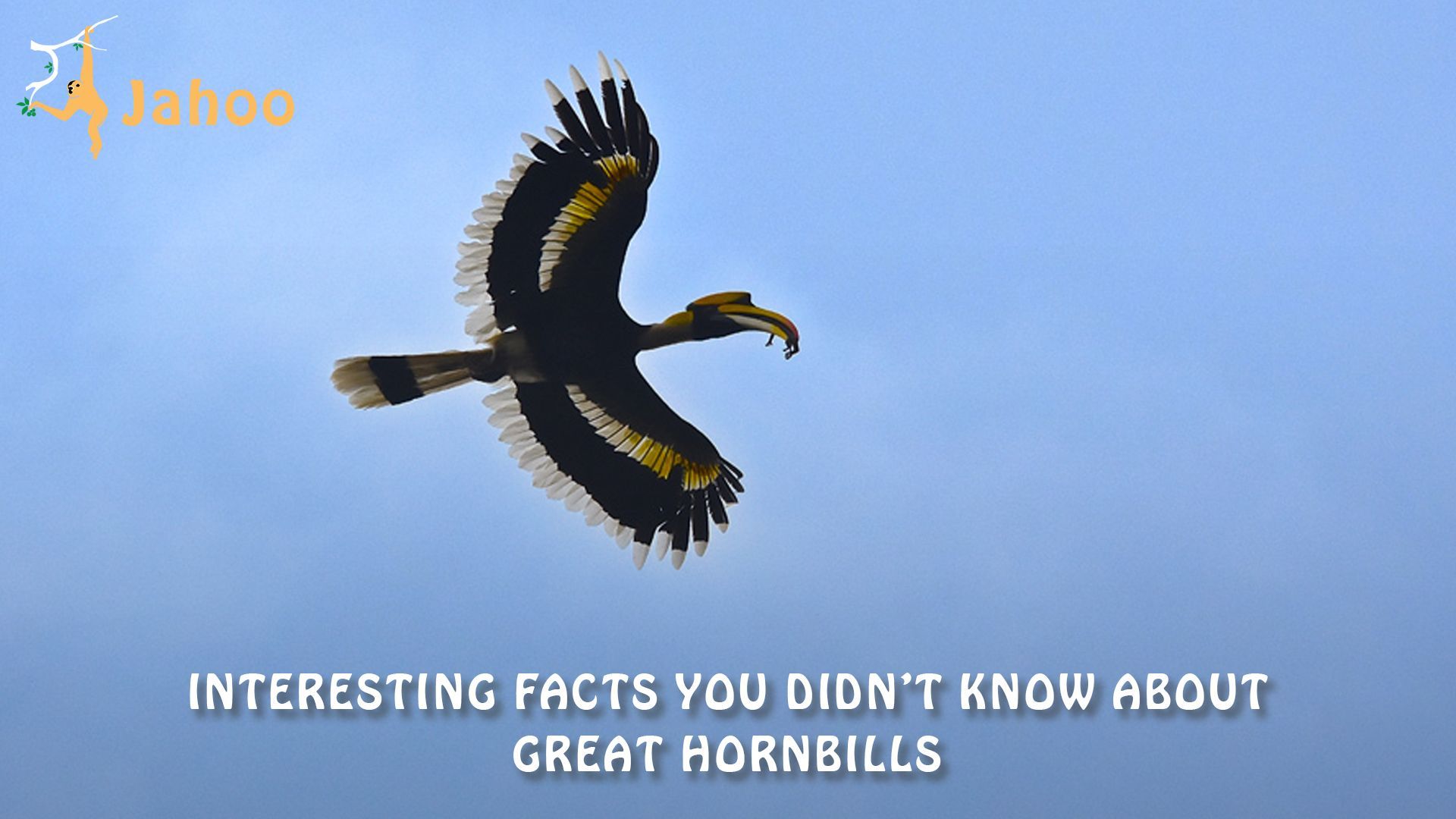
- Great Hornbill
- Germain’s Peacock-pheasant
- Siamese Fireback
- Green Peafowl
- Bar-bellied Pitta
- Blue-rumped Pitta
- Banded Broadbill
- Dusky Broadbill
- Banded Kingfisher
- Black-backed Dwarf Kingfisher
- Red-vented Barbet
- Grey-faced Tit Babbler
- Black-and-buff Woodpecker
- Pale-headed Woodpecker
Many species are detected by sound before sight, particularly during the early morning hours.
Early-Morning Conditions Ideal for Wildlife Observation
Gibbons are most active and vocal at dawn, and this timing also coincides with peak activity for many birds and forest mammals. Keo Seima’s quiet interior forest allows calls to travel clearly through the canopy, helping guides locate animals naturally.
Early starts are therefore essential not only for gibbons, but for experiencing the forest at its most alive.
Low Disturbance, High Conservation Standards
Unlike heavily visited wildlife areas, Keo Seima Wildlife Sanctuary, a protected area of over 300,000 hectares, limits access to sensitive forest zones. Within this landscape, Jahoo operates within a 700 hectares area, following strict conservation guidelines. Small group sizes, regulated routes, and strict wildlife-watching protocols help minimise stress on gibbons and other species.
By prioritizing conservation over mass tourism, both the sanctuary and Jahoo preserve the conditions wildlife need most: space, quiet, and continuity.
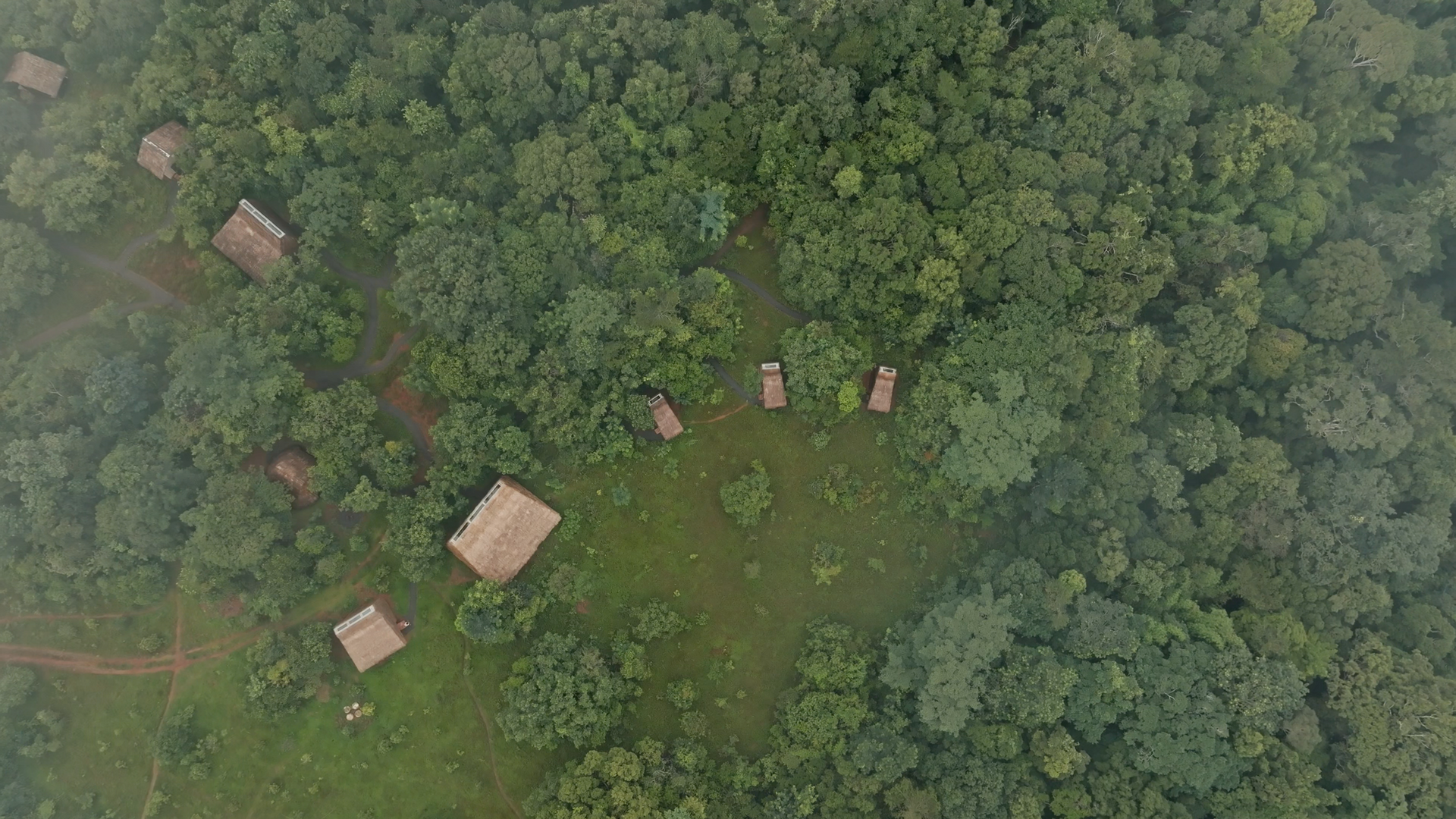
Why Wildlife Encounters Here Are So Meaningful
Seeing wildlife in Keo Seima is not about guaranteed sightings or close encounters. It is about witnessing animals living freely in a forest that still supports their natural behaviour.
From the unforgettable dawn calls of gibbons to the sudden wingbeats of a great hornbill overhead, Keo Seima offers moments that reflect what intact, protected landscapes can still provide making it one of the most rewarding places in Cambodia to experience wildlife responsibly.