People and Wildlife in Keo Seima Wildlife Sanctuary
People and Wildlife in Keo Seima Wildlife Sanctuary
A Landscape That Is Not Empty
Protected areas are often imagined as untouched wilderness places separate from people. But Keo Seima Wildlife Sanctuary tells a different story.
This is not an empty forest.

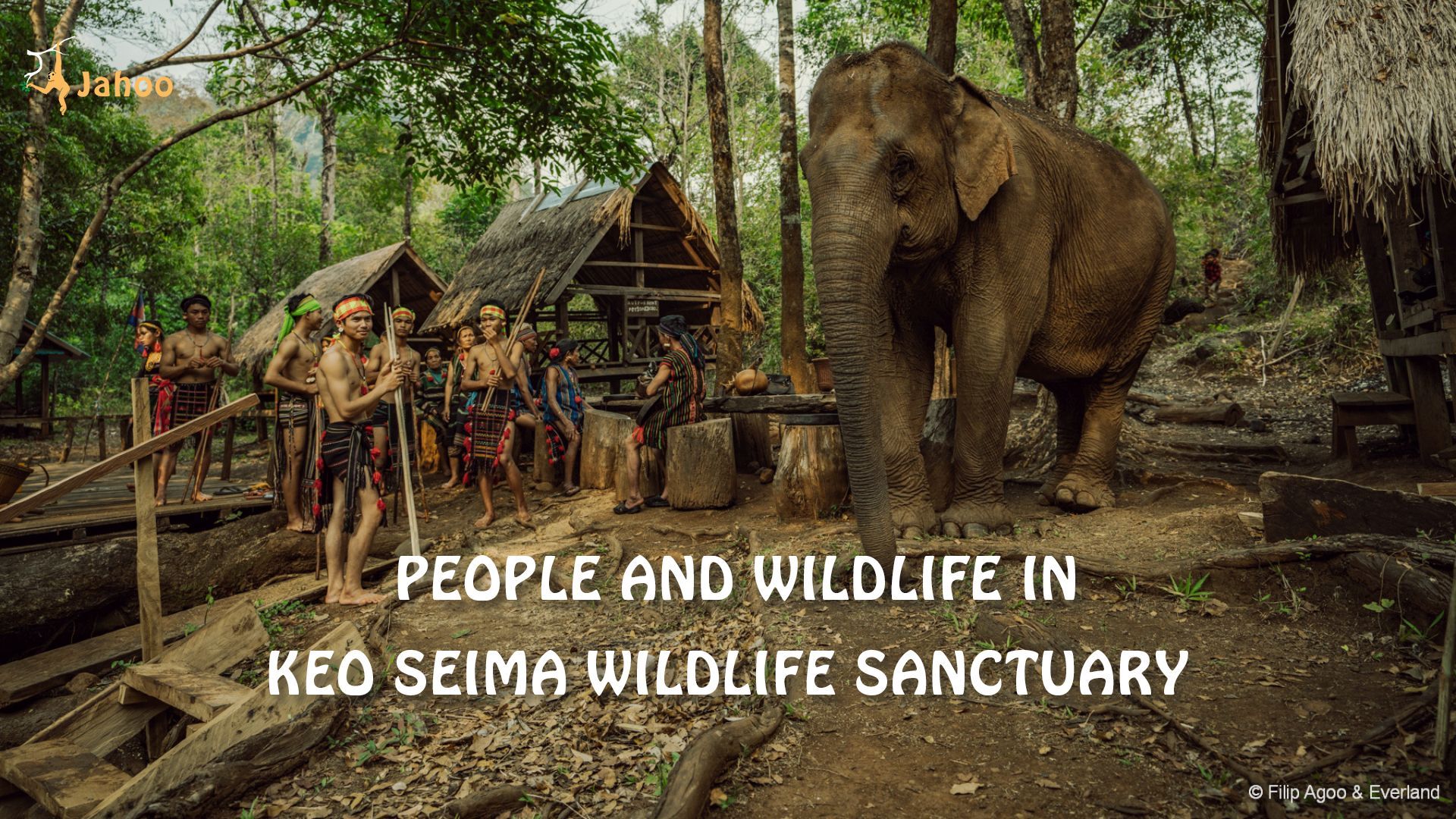
It is a living landscape where wildlife moves across hills and valleys, and where communities have long depended on the same forests for culture, livelihood, and identity. The relationship between people and wildlife here is not new. It has evolved over generations.
Understanding Keo Seima means understanding coexistence.
Forest as Habitat and as Home
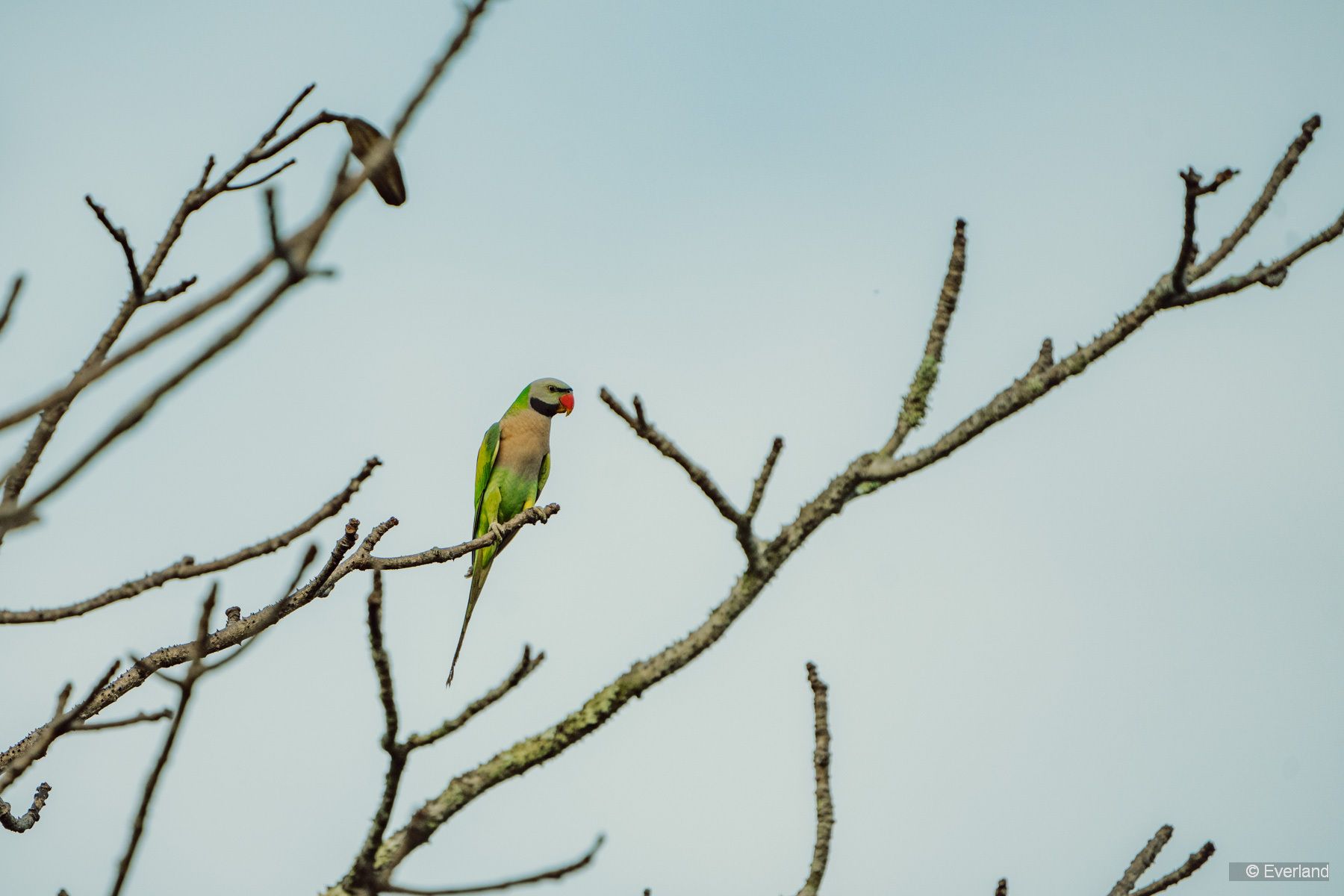
Ecologically, Keo Seima Wildlife Sanctuary is one of Cambodia’s most significant protected areas. Its semi-evergreen and dry deciduous dipterocarp forests support primates, birds, mammals, reptiles, and countless plant species across varied elevations and forest types.


But the forest is not only habitat for wildlife.
It is also home to Indigenous Bunong communities who maintain deep cultural and spiritual ties to the land. Forest resources provide food, materials, medicine, and meaning. Sacred sites, burial grounds, and traditional knowledge systems are embedded within the same landscape where wildlife travels.

The forest is not divided into “human space” and “animal space.”
It is shared.
Wildlife in a Human Landscape
Wildlife in Keo Seima does not exist in isolation from people.
Species move through forests that may be near villages or traditional farmland. Birds nest in trees that stand close to community boundaries. Primates travel across ridgelines that extend beyond strictly protected zones.
This overlap requires balance.
For wildlife to survive, habitat must remain connected and undisturbed. For communities to thrive, access to land and resources must be respected and managed sustainably.
The complexity lies not in separating people and wildlife but in ensuring that both can persist.
The Challenge of Coexistence

Living in a shared landscape brings challenges.
Agricultural expansion, infrastructure development, and economic pressure can fragment forest habitat. Wildlife may occasionally move near cultivated areas. Conservation regulations can affect how communities access traditional resources.
These dynamics require ongoing dialogue, adaptation, and trust.
Conservation in Keo Seima is not simply about protecting species. It is about creating systems where protection aligns with community well-being. When conservation efforts overlook local livelihoods, conflict can emerge. When community knowledge is ignored, ecological management can weaken.
Long-term protection depends on partnership.
The Role of Community in Conservation
In landscapes like Keo Seima Wildlife Sanctuary, local communities are not external to conservation. They are central to it.
Conservation efforts in Keo Seima are supported by initiatives led by the Wildlife Conservation Society (WCS), including the Keo Seima REDD+ project under the global framework for Reducing Emissions from Deforestation and Forest Degradation (REDD+).
Through this approach, forest protection generates climate finance that supports both conservation management and community development. Under the Cash for Communities (C4C) programme, participating villages receive performance-based funding when deforestation is reduced and forest protection agreements are upheld.
This model strengthens the connection between environmental protection and community well-being. Forest conservation becomes not a restriction, but a shared responsibility that delivers tangible, long-term benefits.
Community members contribute to monitoring efforts, forest protection, and sustainable land-use practices. Indigenous knowledge helps guide understanding of seasonal changes, wildlife behaviour, and forest health.
When people benefit from conservation through employment, sustainable tourism, or community initiatives, incentives align with protection rather than exploitation.
This model moves beyond exclusion. It recognises that effective conservation requires social stability as much as ecological integrity.
Tourism Within a Shared Landscape
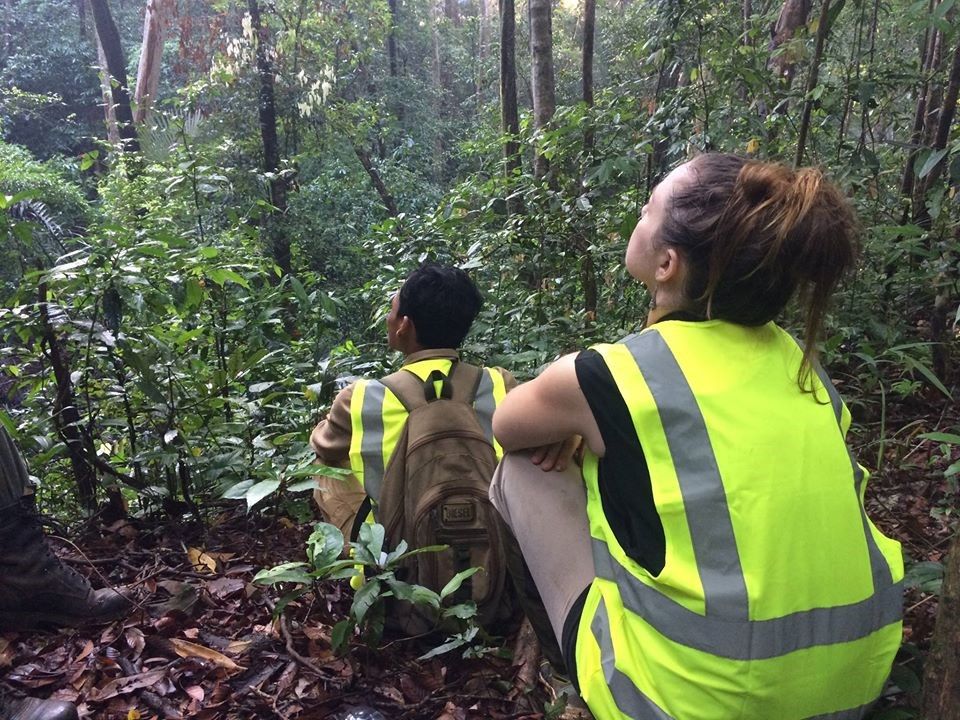
Responsible tourism in Keo Seima operates within this shared context.
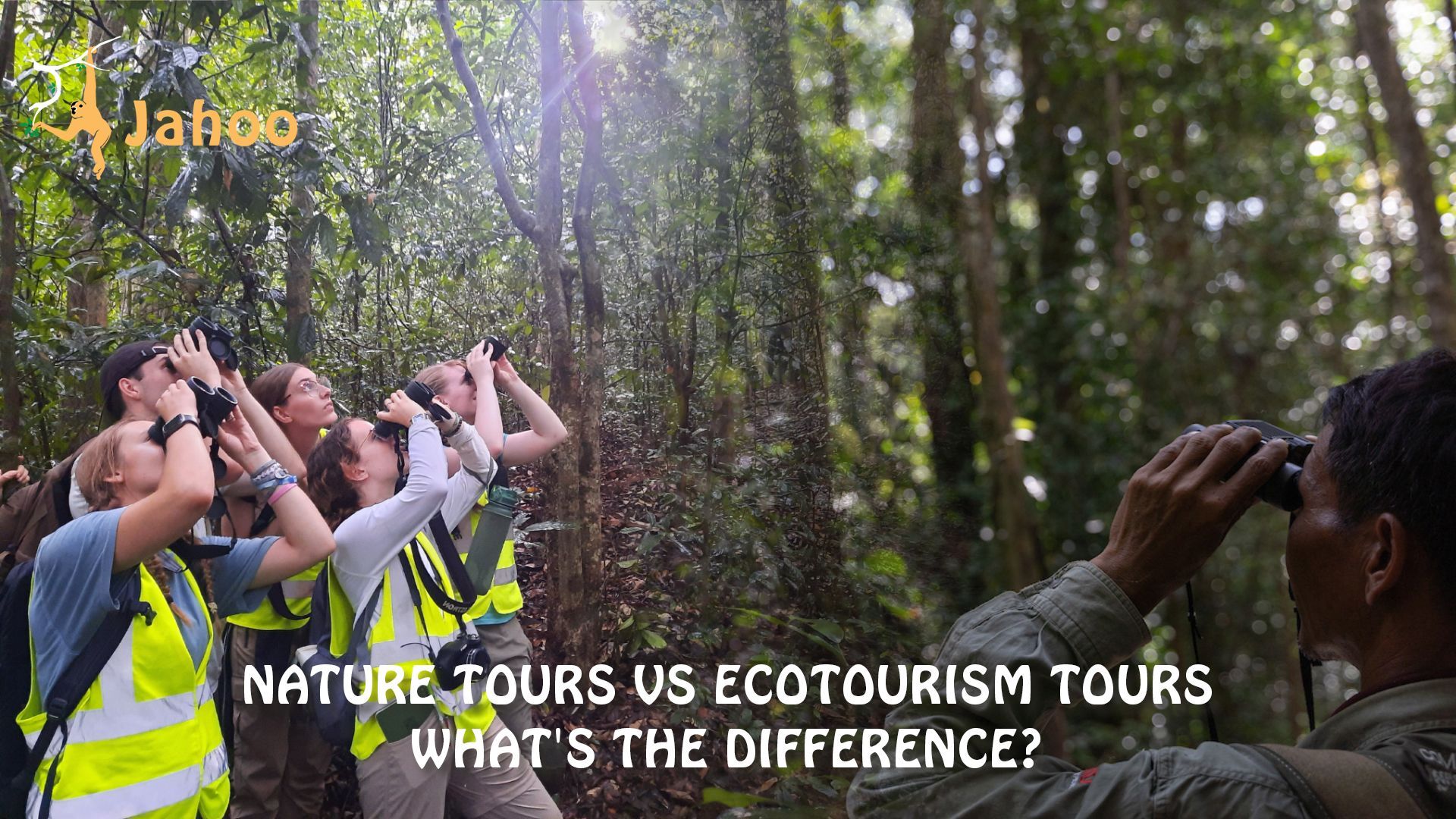
Wildlife experiences are designed to minimise disturbance. Visitor movement follows ecological considerations. Local guides interpret the forest not only through species identification, but through cultural and environmental understanding.
Tourism can generate economic alternatives that reduce pressure on forest resources. When carefully managed, it becomes part of the coexistence framework supporting both biodiversity and community resilience.
In and around Keo Seima Wildlife Sanctuary, conservation-linked tourism, including initiatives such as the Elephant Valley Project and community-based experiences supported by Jahoo demonstrates how responsible travel can align visitor experiences with forest protection and local livelihoods.
The goal is not high-volume visitation, but low-impact engagement.
Why Shared Landscapes Matter Globally
Keo Seima represents a broader reality in conservation: many of the world’s most important ecosystems are not isolated wilderness. They are inhabited landscapes shaped by history, culture, and biodiversity together.
Separating people from protected areas is rarely simple — and often neither practical nor just.
Instead, conservation increasingly focuses on coexistence models. These approaches recognise that ecological sustainability and human well-being are interconnected.
In Keo Seima, forest protection does not mean erasing human presence. It means managing the relationship carefully and thoughtfully.
Living Together, Long Term
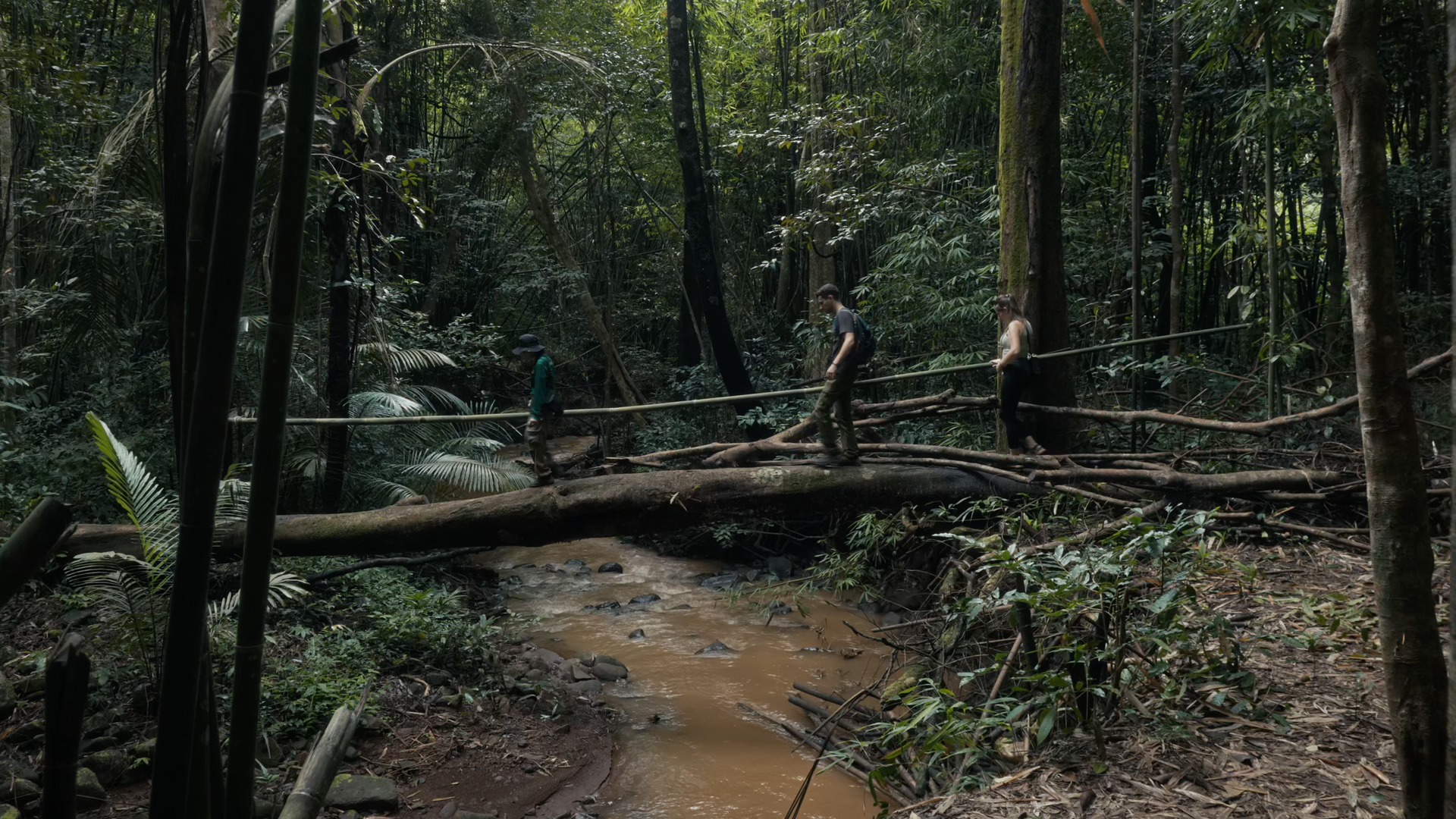
The future of Keo Seima Wildlife Sanctuary depends on maintaining this balance.
Wildlife requires intact forest corridors, stable habitat, and reduced disturbance. Communities require secure livelihoods, cultural continuity, and meaningful participation in decisions affecting their land.
When these needs align, coexistence becomes possible.
Keo Seima is not defined solely by biodiversity statistics or visitor experiences. It is defined by the relationship between forest and people, between tradition and conservation, between protection and livelihood.
Living in a shared landscape is not simple. But in Keo Seima, it remains essential.