Interesting Facts You Didn’t Know About Long-Tailed Macaques
Interesting Facts You Didn’t Know About Long-Tailed Macaques
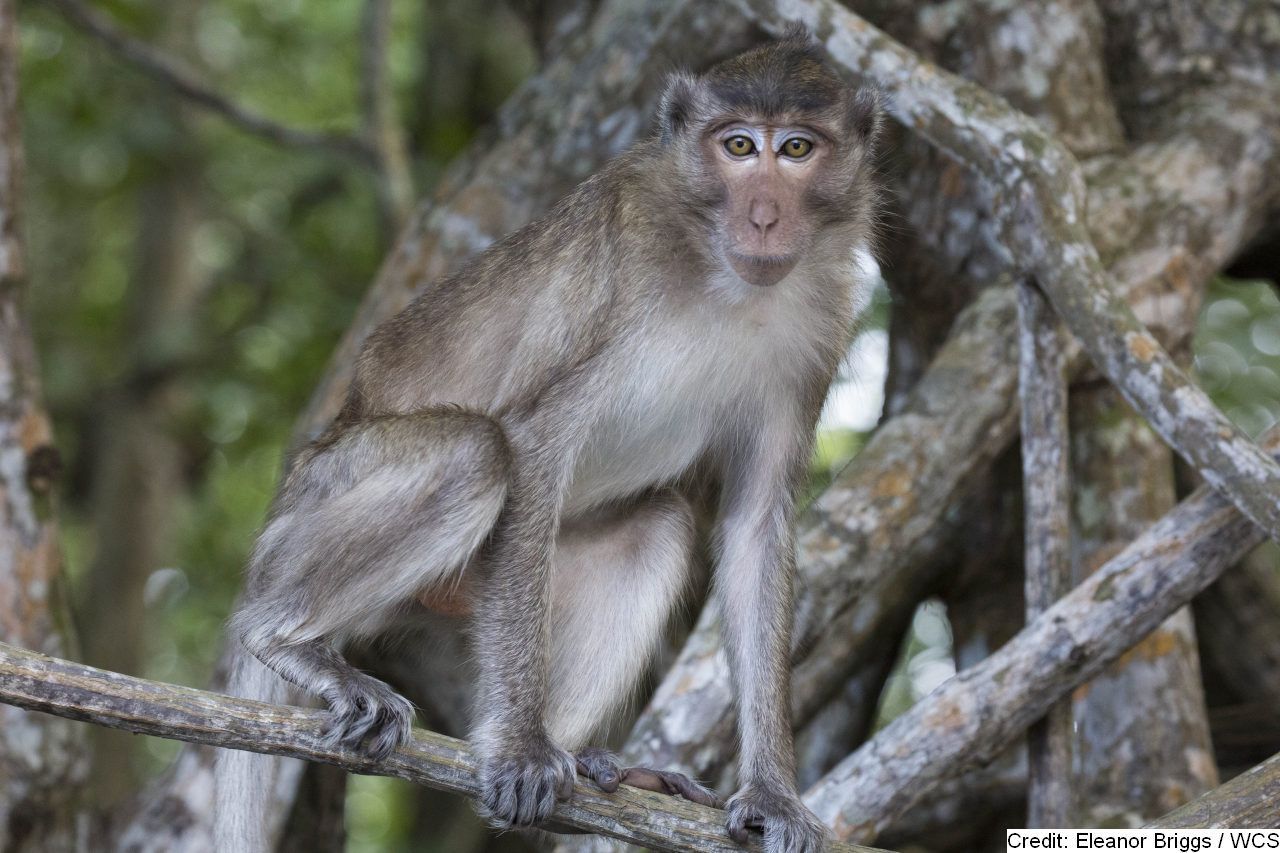
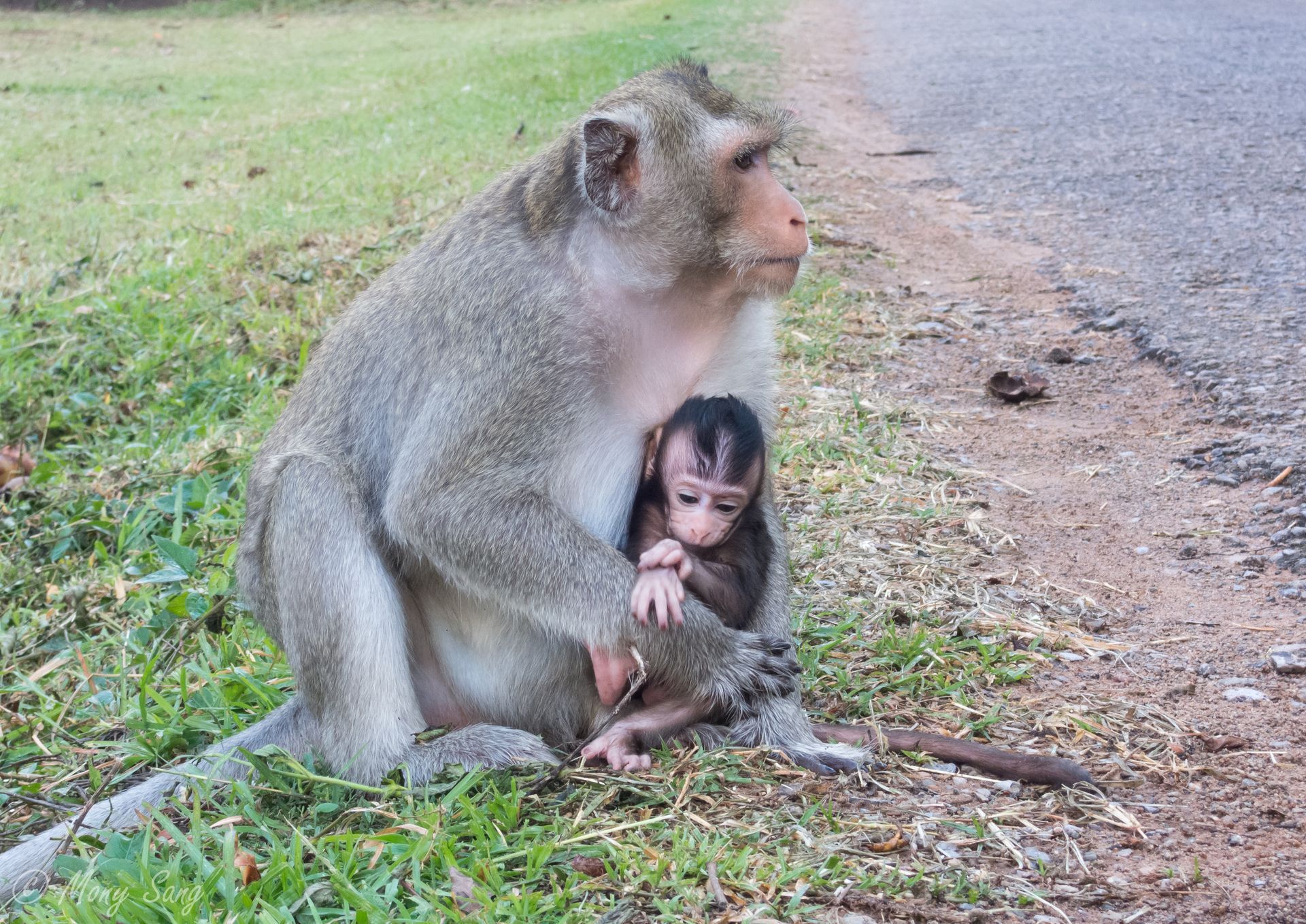

More Than a Familiar Face
Many people assume that because they are common they are not threatened but unfortunately this is not the case:
The IUCN maintains the long-tailed macaque (Macaca fascicularis) as Endangered, with populations having declined by 50–70% over the past three decades. Primarily driven by high demand for biomedical research and habitat loss, this endangered status was reaffirmed in 2025 despite industry efforts to challenge the designation
1. They Live in Structured Social Groups
Macaques live in groups with clear social hierarchies.
Each group has dominant individuals, and relationships are maintained through grooming, vocal communication, and body language. These interactions help reduce conflict and keep the group stable.
2. They Are Highly Adaptable
Long-tailed macaques can live in a wide range of environments from dense forests to areas close to people.
This adaptability is one reason they are still common. However, it also means they often come into contact with humans, which can change their natural behaviour over time.
3. They Are Skilled Problem Solvers
Studies have shown that macaques are capable of learning and adapting quickly.
They can figure out how to access food, recognize patterns, and even learn from observing others in their group. This ability makes them one of the more intelligent primates in the region.
4. Water Is Part of Their Habitat
Unlike many primates, long-tailed macaques are comfortable around water.
They are often found near rivers, wetlands, and coastal areas, where they forage for food such as crabs, insects, and small aquatic animals.
5. Human Interaction Changes Their Behavior
In places where macaques are frequently fed by people such as within the Angkor Wat temple complex their behaviour can shift.
They may become more aggressive or dependent, which is why responsible wildlife experiences avoid feeding or close interaction of any kind.
A Species Worth Understanding
Long-tailed macaques may be familiar, but they are still part of a complex ecosystem.
Observing them in natural environments without interference offers a better understanding of how they live, interact, and adapt.