Why Some Animals Are Active at Dawn and Dusk
Why Some Animals Are Active at Dawn and Dusk
If you've ever joined a wildlife tour, you may have noticed that the best sightings often happen early in the morning or late in the afternoon. This is no coincidence. Many animals are most active during these times, known as dawn and dusk.
Scientists call these animals crepuscular, meaning they are active during twilight hours rather than in the middle of the day or throughout the night.
What Does Crepuscular Mean?
Animals generally fall into three activity patterns:
- Diurnal animals are active during the day.
- Nocturnal animals are active at night.
- Crepuscular animals are most active at dawn and dusk.
Many mammals, birds, and reptiles take advantage of these cooler periods to feed, travel, and interact with one another.
Avoiding the Heat
One of the main reasons animals are active at dawn and dusk is temperature.
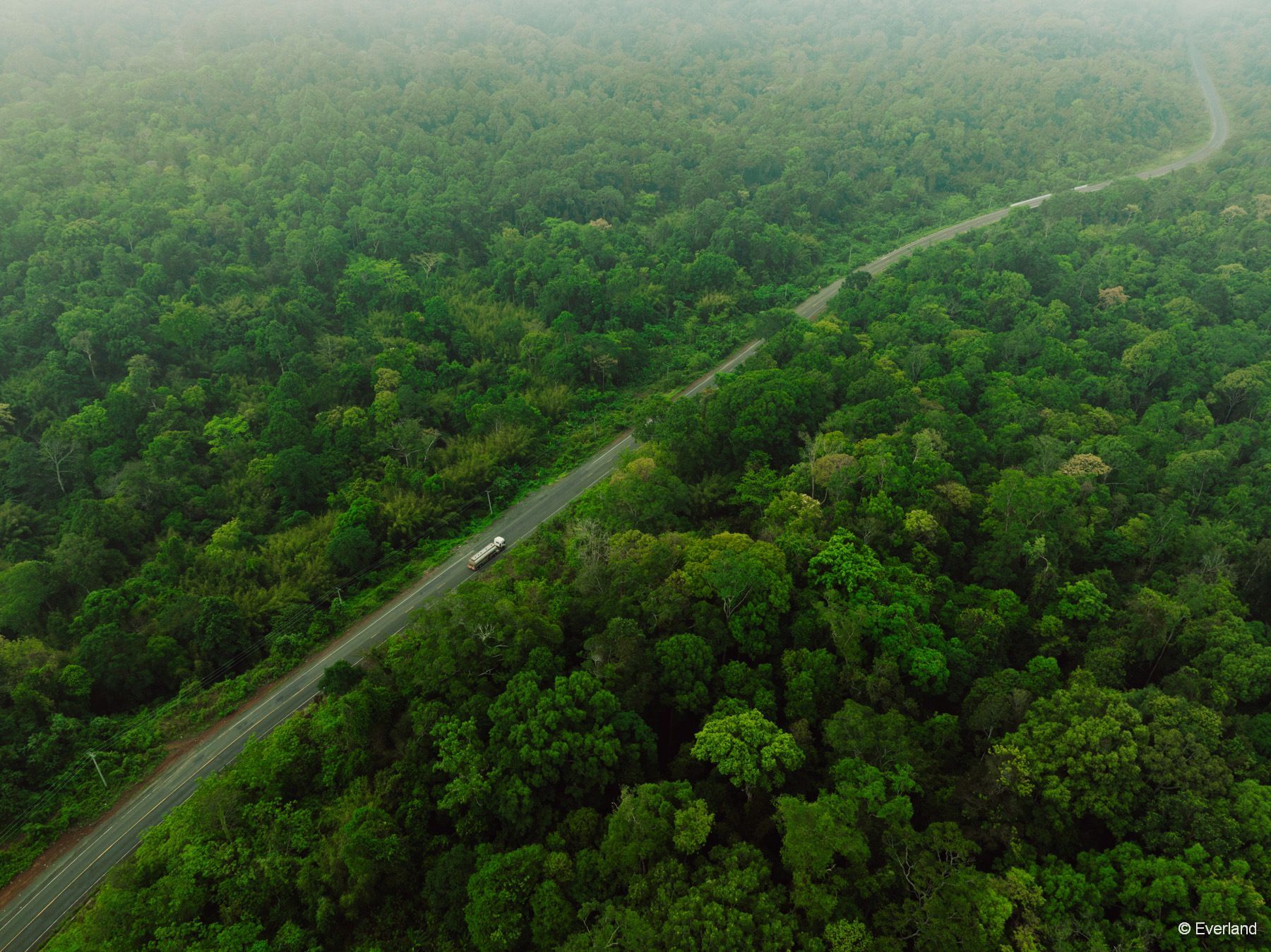
In tropical forests such as Keo Seima Wildlife Sanctuary, midday temperatures can become quite warm. By moving during cooler hours, animals conserve energy and reduce the risk of overheating.
This is especially important for mammals that spend much of their day searching for food.
Staying Safe From Predators
Dawn and dusk provide lower light levels, which can help animals avoid predators.
For some species, reduced visibility offers protection while they feed or move between habitats. Other predators have evolved to hunt during these same periods, taking advantage of the changing light conditions.
This creates a busy period of activity throughout the forest.
The Best Time to Find Food
Many animals have adapted their feeding habits to dawn and dusk.
Fruits, flowers, insects, and other food sources may be easier to find or access during these hours. Cooler temperatures also make foraging more efficient.
Birds often begin their day with intense feeding activity shortly after sunrise, while many mammals become active as temperatures begin to drop in the late afternoon.
Why Forests Sound Different at Sunrise
One of the most noticeable changes at dawn is sound.
Birds begin singing, insects become active, and primates communicate across the forest. These sounds help animals establish territories, locate family members, and attract mates.
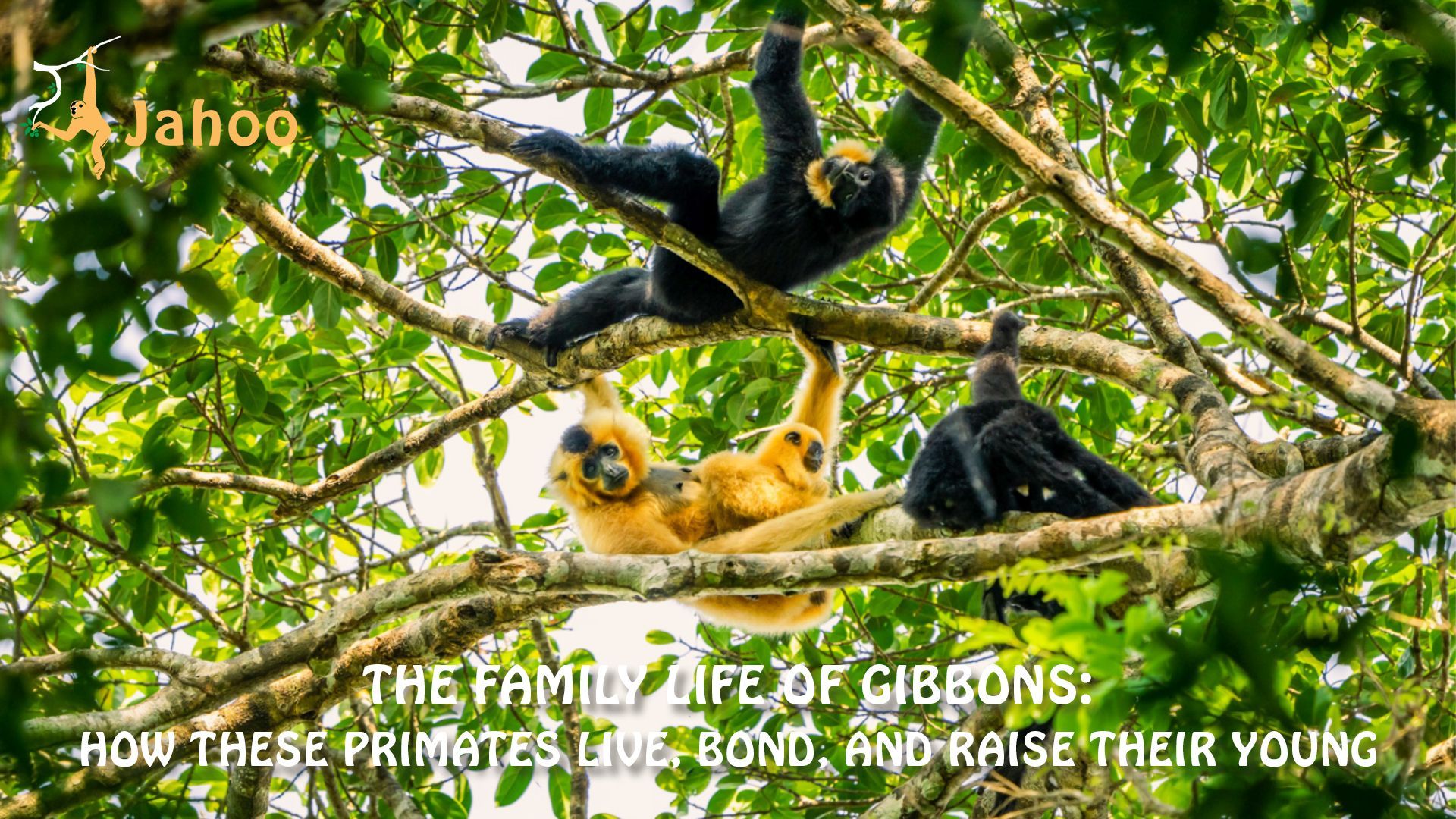
In Jahoo, the dawn chorus is often led by the calls of Southern Yellow-cheeked Crested Gibbons. Their songs can travel long distances through the forest and are often one of the first sounds heard as the sun rises.
Wildlife You May Encounter at Dawn and Dusk
Many species found in Keo Seima Wildlife Sanctuary are particularly active during these hours, including:
- Southern Yellow-cheeked Crested Gibbons
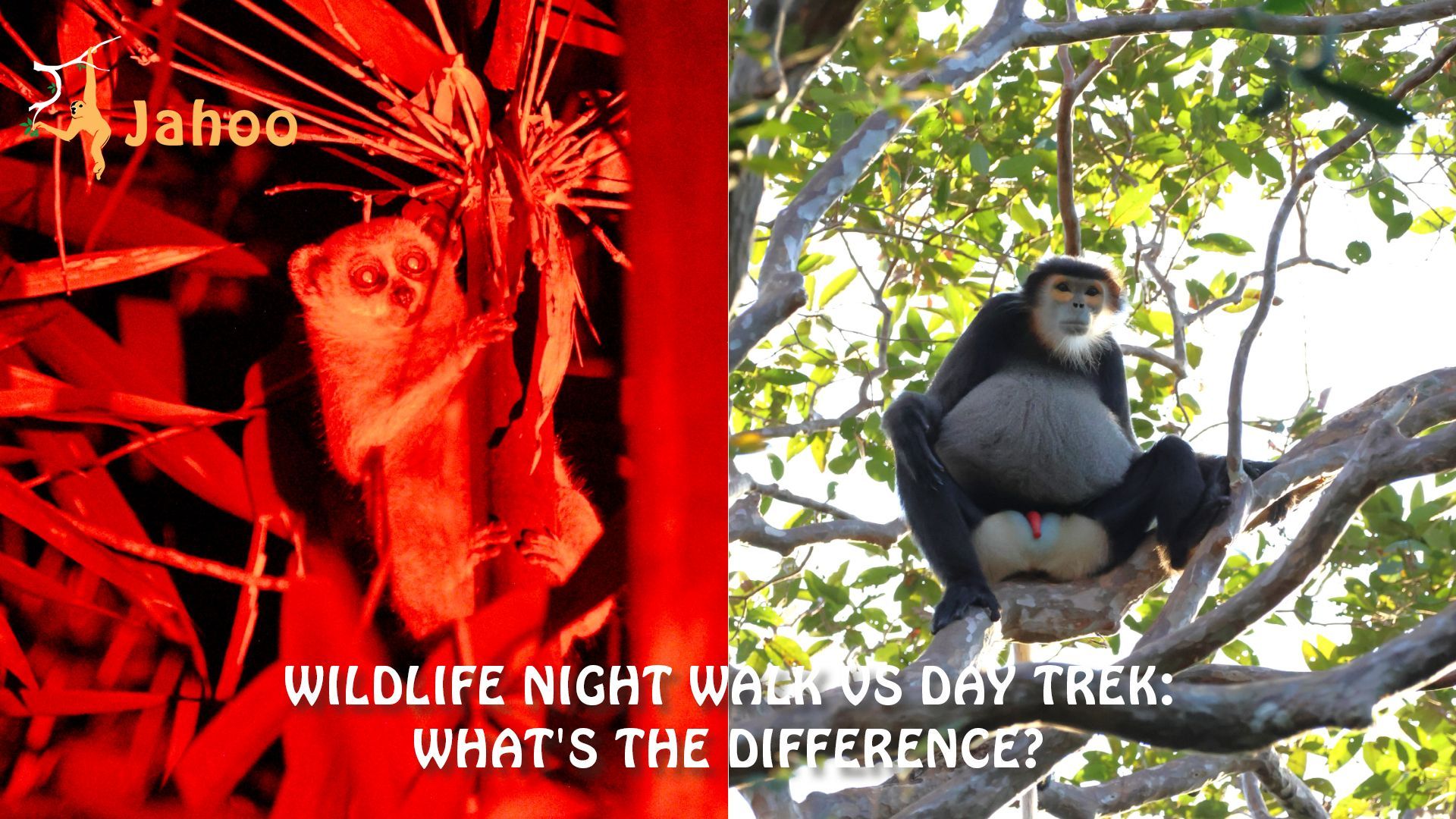
- Black-shanked Doucs
- Wild Pigs
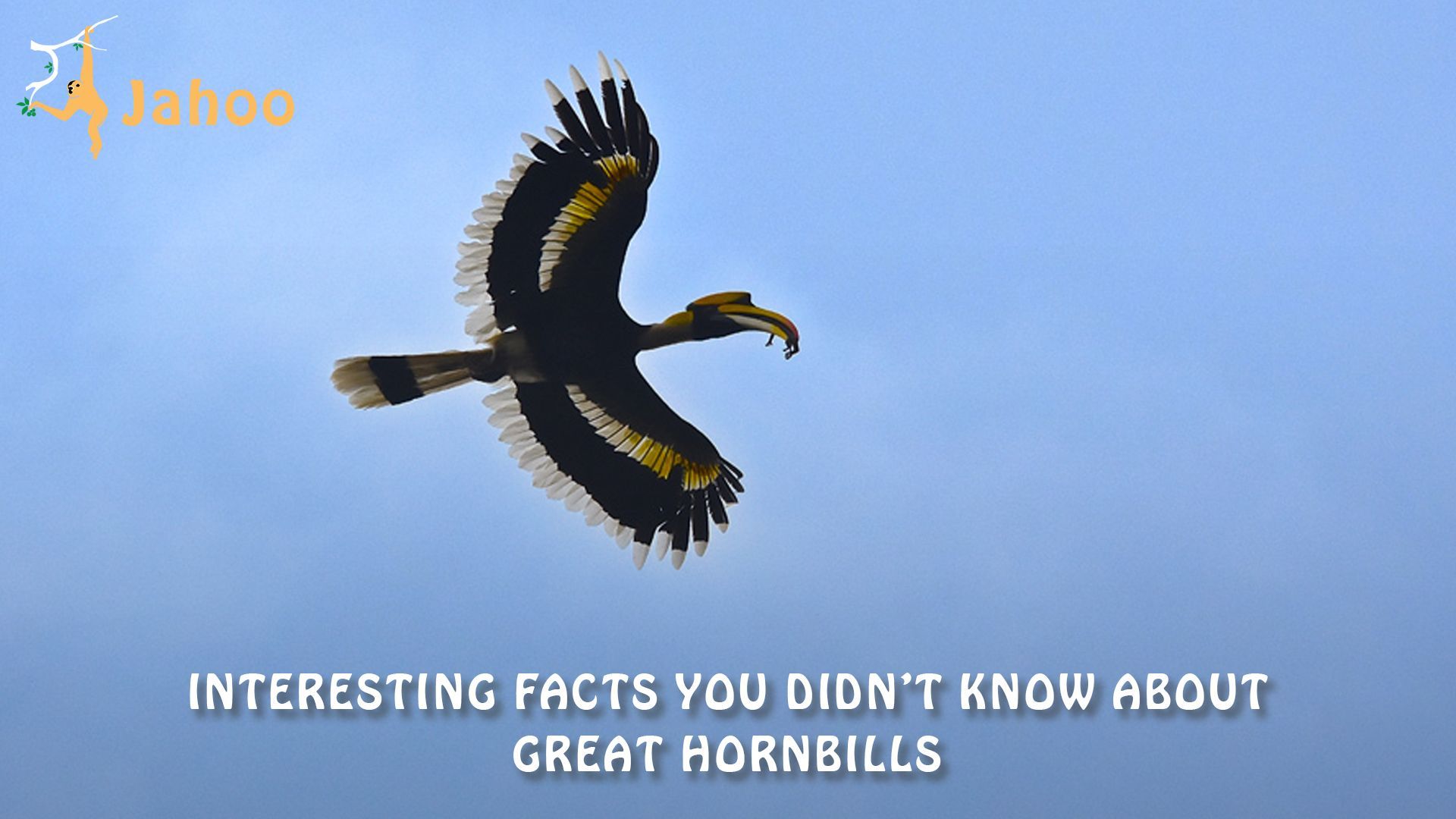
- Hornbills
- Various forest birds
- Squirrels and other small mammals
While sightings are never guaranteed, early morning and late afternoon generally offer the best opportunities to observe wildlife.
Why Wildlife Tours Start Early
There is a reason many wildlife experiences begin before sunrise.
The combination of cooler temperatures, increased animal activity, and beautiful forest conditions makes dawn one of the best times to explore nature. For wildlife guides, these hours provide the greatest chance of finding and observing animals in their natural habitat.
Experience the Forest at Its Most Active
Whether you're listening to a gibbon chorus echoing through the trees or watching birds begin their morning routine, dawn and dusk reveal a side of the forest that many people never experience.
These brief periods are often the most active and exciting times in the natural world, offering a glimpse into the daily lives of the animals that call the forest home.