The Family Life of Gibbons: How These Primates Live, Bond, and Raise Their Young
The Family Life of Gibbons: How These Primates Live, Bond, and Raise Their Young
The Family Life of Gibbons
When people think of primates, they often imagine large groups of monkeys moving through the forest. Gibbons are different. These agile tree-dwelling primates are known for their strong family bonds and unique social structure.
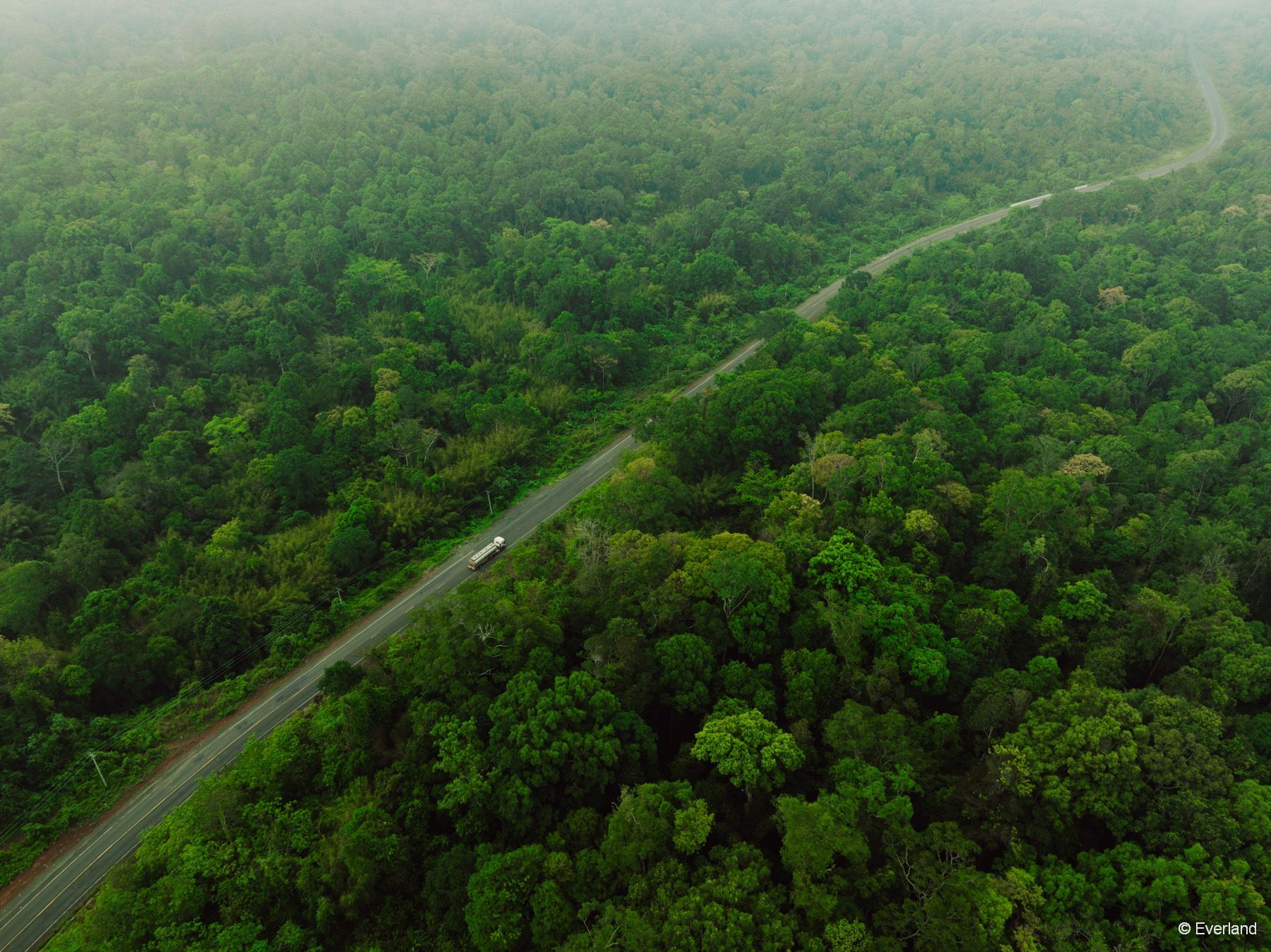
Found throughout the forests of Southeast Asia, including the Southern Yellow-cheeked Crested Gibbon in Cambodia, gibbons typically live in small family groups and spend much of their lives together.
A Family-Oriented Lifestyle
Most gibbon families consist of an adult male, an adult female, and their offspring. Unlike many other primates that live in large groups, gibbons maintain relatively small family groups.
The adult pair works together to defend their territory, find food, and care for their young. Their close social bonds are one reason gibbons are often considered among the most monogamous primates in the animal kingdom.
Raising Young Gibbons
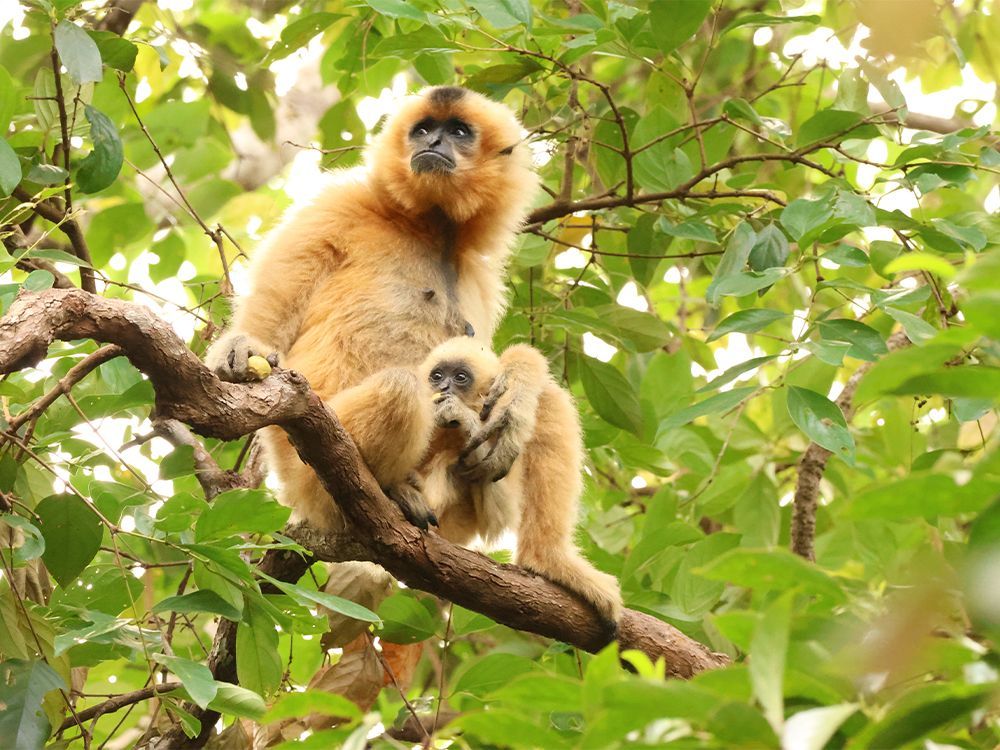
A young gibbon depends heavily on its parents during the early years of life. Infants spend much of their time clinging to their mother as she moves through the forest canopy.
As they grow older, young gibbons begin exploring their surroundings, learning how to swing between branches, locate food, and recognize potential dangers.
It can take several years for a young gibbon to become fully independent. During this time, parents play an important role in teaching survival skills needed for life in the forest.
Communication Within the Family
Gibbons are famous for their powerful calls, which can travel long distances through the forest.
These vocalizations help family members stay connected and communicate with neighboring groups. Mated pairs often perform coordinated songs, creating the impressive dawn choruses that visitors may hear while exploring forests such as Keo Seima Wildlife Sanctuary.
These songs help strengthen pair bonds and signal that a territory is occupied.
Life in the Forest Canopy
Gibbons spend nearly their entire lives in the trees. Their long arms allow them to move through the forest using a form of locomotion known as brachiation, swinging gracefully from branch to branch.
Living high above the forest floor helps them access food and avoid many ground-based predators.
Their diet mainly consists of fruits, leaves, flowers, and occasionally insects, making healthy forests essential for their survival.
When Young Gibbons Leave Home
As young gibbons reach maturity, they eventually leave their family group to establish territories and find mates of their own.
This natural process helps maintain healthy populations and allows new family groups to form across the landscape.
Why Protecting Gibbon Families Matters
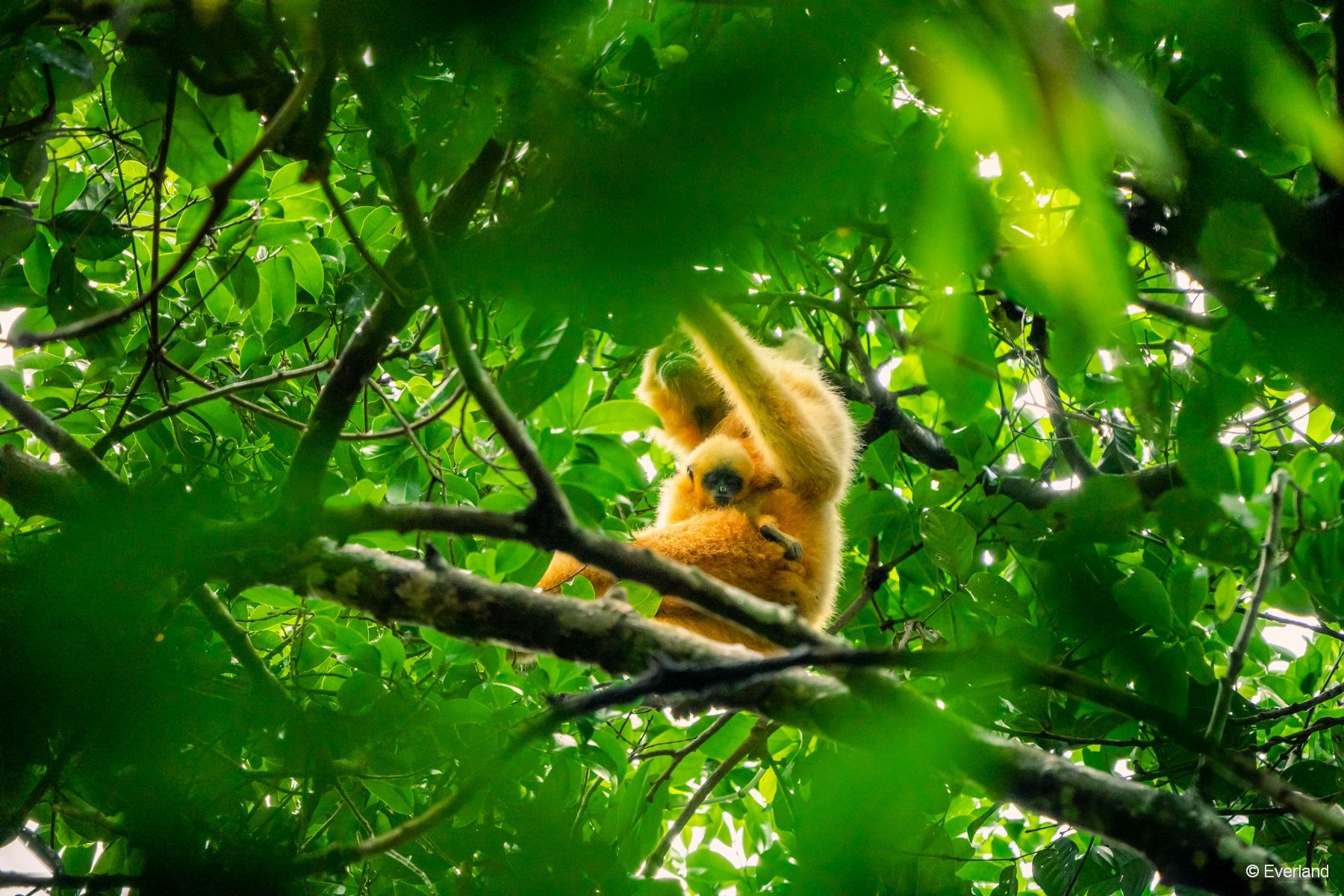
Gibbons play an important role in forest ecosystems. By feeding on fruits and dispersing seeds, they help forests regenerate and remain healthy.
However, habitat loss and forest degradation continue to threaten many gibbon species across Southeast Asia.
Protecting forests such as Keo Seima Wildlife Sanctuary helps ensure that gibbon families can continue to thrive for generations to come.